
Vandaag of morgen in huis

Kwaliteit gegarandeerd

Welkomstaanbiedingen ontgrendelen: GRATIS bezorging | Tot 80% korting | Gratis 30 dagen JoyPlus-proefperiode
Download de app
Buying Asian snacks might seem straightforward, but the range varies enormously in taste, origin, portion size and ingredients. A packet with eye-catching colours or words like “authentic”, “hot” or “premium” doesn’t automatically tell you what you’re getting. When you order Chinese snacks, Korean snacks, Japanese snacks, Thai snacks or Indian snacks online, it’s worth checking a few practical details.
Some snacks are sold individually or in mini portions. That’s handy for on the go, but the price per 100 grams can end up higher. So don’t just compare the total price – also check the net weight, the number of portions and the price per unit of weight.
The term spicy snacks can refer to chilli, cayenne pepper, Sichuan pepper or a seasoned sauce. The experience varies from recipe to recipe. Look at the ingredients for chilli, cayenne pepper, pepper extracts and spice blends. With Wei Long Spicy Stick, for example, chilli appears in the ingredients list, while the taste of a snack with chilli and lime can be quite different from Chinese snacks with Sichuan pepper.
A vegetarian snack can still contain soya, wheat, sesame, milk or peanuts. Oishi Marty's Crackling Plain Salted Chicharon is described as being made from green peas and is vegetarian, but it does contain soya. Always check the allergen information on the product page and on the packaging. The packaging is the definitive source if the details differ.
The origin helps set expectations, but it’s no guarantee of a particular intensity of flavour. Products from South Korea are often recognisable by their roasted seaweed sheets and sesame oil. Thai snacks can have sweet, coconutty or spicy notes. Indian snacks frequently use rice flour, chickpea flour, cumin and other spices.
Also note the difference between a snack from the country of origin and an international flavour product. Frito-Lay Cheetos Barbeque Flavor is listed in the product information as coming from Japan, while the taste is barbecue-oriented. That makes it interesting for anyone wanting to explore Japanese snacks, but not necessarily a traditional Japanese recipe.
For a film night or party, packs of 165 to 360 grams are practical for sharing. For on the go, small bags or individually wrapped portions are more convenient. Think about:
Compare the table per 100 grams, not just per pack. That way you can see more clearly which snacks are relatively high in fat, salt or sugar. This isn’t a judgement on suitability – it simply helps you make a choice that suits your occasion.
Also check:

Why this fits the profile: A ready-to-eat Chinese snack weighing 106 grams with a chewy texture and spicy flavour. Ideal for trying wheat gluten snacks without buying a large stock.
The weight and nutritional values are clearly stated. Do check the allergens present: wheat, soya and sesame.
106 g, ready to eat and originating from China according to the product information. Suitable for a snack moment or for sharing.
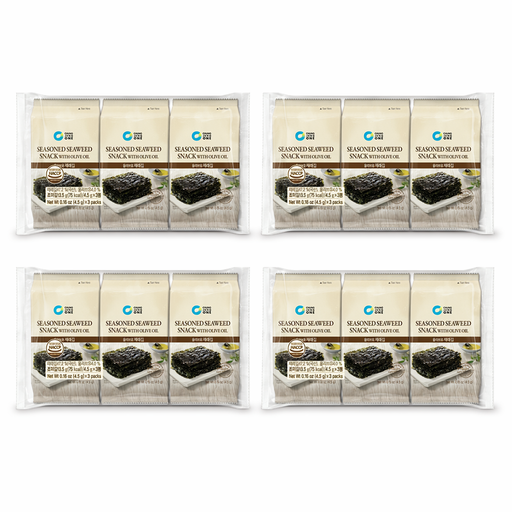
Why this fits the profile: The twelve small portions are perfect for fans of Korean snacks who want to serve, take along or use crispy seaweed snacks as a topping.
The multipack prevents one large pack from staying open for too long. Do watch out for sesame as an allergen.
12 individual portions, made with seaweed and oil, and according to the product information usable as a snack or topping.
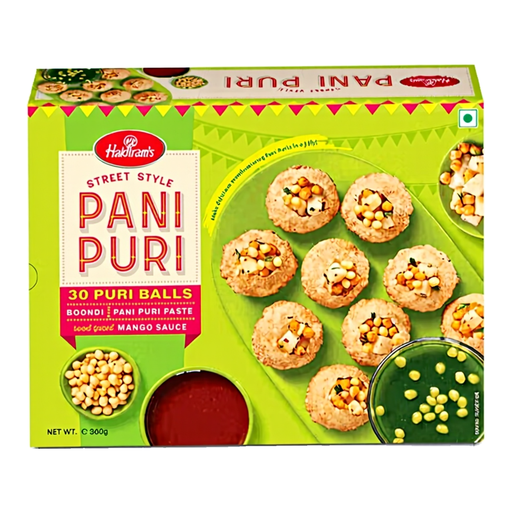
Why this fits the profile: This pack is designed for an active snacking experience at home: fill, combine and share during a dinner party or celebration.
The contents are more than just a loose snack: puris, masala, sauce, paste and boondi are all listed. Check the preparation and allergen information beforehand.
360 g, suitable for several people and with various components for an Indian pani puri preparation.

Why this fits the profile: A vegetarian snack with a crunchy texture that’s ideal for drinks parties. The product description lists green peas as the base.
The vegetarian positioning is clearly described, but soya is listed as an allergen. Read the label if you have allergies.
90 g, ready to eat and according to the product information made without meat ingredients.
We’ve put together a full, up-to-date list of products that fully meet these strict selection criteria and comply with current European safety regulations.
Choose a mix of textures and portion sizes. A multipack of Korean seaweed snacks, a bag of Chinese snacks, Indian pani puri or crisps and nibbles in a larger pack gives guests several options. Check allergens beforehand and place the packaging next to the serving dish so guests can see for themselves what’s inside.
That varies by product. Bikano Aloo Bhujia Mix is described in the product information as suitable for vegetarians. Oishi Marty's Crackling Plain Salted Chicharon is also described as vegetarian. Always check the current label, because spice blends, flavourings and production warnings can differ from pack to pack.
Store opened snacks in a cool, dry place, away from direct sunlight and moisture. Seal bags tightly or use an airtight container. Rice snacks, crisps and seaweed in particular lose their crunchy texture when exposed to air for a long time. The storage instructions on the packaging remain the definitive guide.
