
Vandaag of morgen in huis

Kwaliteit gegarandeerd

Welkomstaanbiedingen ontgrendelen: GRATIS bezorging | Tot 80% korting | Gratis 30 dagen JoyPlus-proefperiode
Download de app
Fancy Japanese snacks, Chinese treats or bubble tea, but not sure where to start? There is a huge selection online. Product photos often show colourful packaging, while important information such as allergens, country of origin, pack size and shelf life is less prominent.
This practical guide helps you focus on what is actually in the packaging. That way, you can avoid ending up with a snack gift box that is too small, a bubble tea kit that requires more preparation than expected or a matcha KitKat that does not suit your taste.
A product with a Japanese style or Japanese flavour is not automatically made in Japan. For example, the Bestore Mochi Gift Box has a Japanese style, but lists China as its country of origin. According to the product information, a product such as Nestlé KitKat Matcha chocolate does come from Japan.
Always check:
Packaging weighing several hundred grams may look generous, but individually wrapped snacks can contain relatively small portions. The Bestore Mochi Gift Box weighs 360 grams and contains 12 pieces of 30 grams each: four matcha, four sesame and four mango mochi.
That makes it convenient to share, but less suitable if you are looking for a large supply for a party. So do not just look at the total weight; also check the number of pieces and portion size.
With a bubble tea kit, tapioca pearls often need to be prepared first. Instant noodles are not always intended to be eaten dry either: the Binge-watching snack solo meal set states that the products should be cooked or soaked according to the packaging.
Look out for the difference between:
For consumers in the Netherlands, allergen information is an important practical buying criterion. The product details should clearly identify, among other things, cereals containing gluten, milk, soya, peanuts and sesame.
Examples from the range:
If you have an allergy or intolerance, the packaging takes precedence. Product information may change, so check the ingredients and allergens again before ordering.
Many Asian sweets and Asian biscuits can be stored at room temperature, but heat and moisture affect their quality. Mochi, for example, can become harder in the fridge. According to the Bestore Mochi Gift Box product description, store it below 25 °C, in a dry place and out of direct sunlight. Once opened, the mochi should be eaten within 24 hours to retain the specified soft texture.
Chocolate and matcha KitKat also require a cool, dry place. Some Japanese imported products may have a shorter remaining shelf life. Always check the best before date on the packaging, especially when buying a seasonal product or gift.
Matcha has a plant-based, slightly bitter flavour profile. If you prefer a gentler introduction, choose matcha combined with white chocolate, as in Nestlé KitKat Itoen Matcha & Chocolate. The nutritional information lists 543 kcal and 50 grams of sugar per 100 grams; this is a sweet snack rather than something to consume without limit.
For bubble tea, the differences between kits are important. The JENI Brown Sugar Bubble Tea Kit contains three kits with tapioca pearls, tea and brown sugar syrup. The Tokimeki Bubble Tea Kit contains milk tea powder and tapioca pearls and, according to the product information, is prepared with hot water. So compare:

Why it suits this profile: Three flavours in one box make this an easy introduction to Japanese-style snacks without having to buy several separate packs.
The quantity is clear: 12 individually wrapped mochi weighing 30 grams each. The origin and allergens are also listed.
Matcha, sesame and mango; ready to eat; individually wrapped; 360 grams in total.
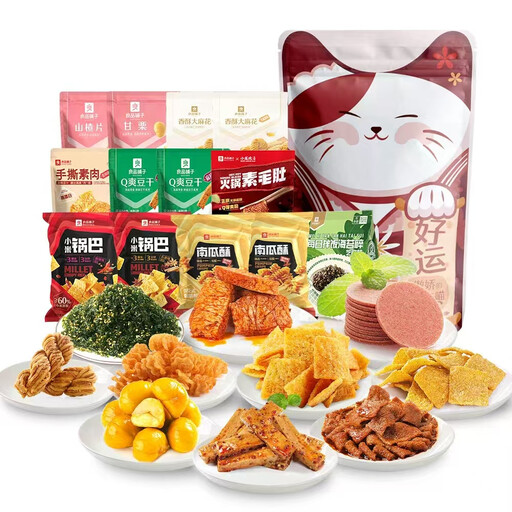
Why it suits this profile: A substantial snack gift box for enthusiasts who want to try a variety of Chinese flavours or share them with a group.
The contents are not presented as one large product: the box contains 13 separately wrapped products with a variety of ingredients.
1518 grams in total; 13 packs; a variety ranging from biscuits and chestnuts to tofu and konjac snacks.
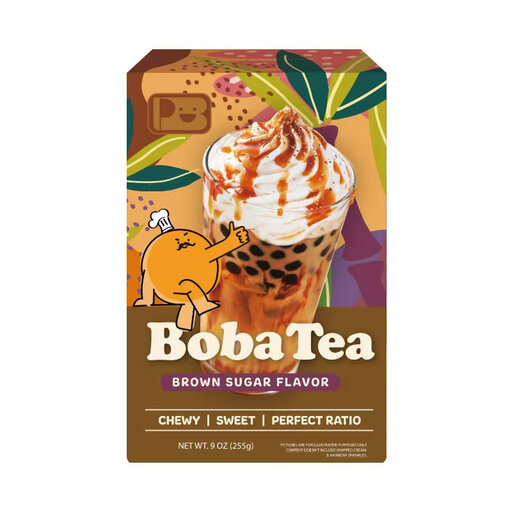
Why it suits this profile: Ideal for bubble tea fans who want to make several portions at home for guests, a party or different occasions.
The contents are clearly described: tapioca pearls, tea and brown sugar syrup. This tells you which components you need to prepare and combine yourself.
Three kits; 255 grams in total; brown sugar flavour; suitable for DIY drinks and desserts.
We have put together a complete, up-to-date list of products that fully meet these strict selection criteria and the applicable European safety regulations.
For a sweet snack to enjoy with your coffee, the quduoduo Chunky Cookies Dark Chocolate and Doudou Cookies Rich Cheese Flavor are clear options, with wheat, milk and soya as relevant allergens. If you want to hand out smaller portions, consider the Look-O-Look Top Mix, with 10 portion packs.
Fans of Japanese snacks can compare Nestlé KitKat Strawberry Short Cake and Nestlé KitKat Dark Matcha. For a festive occasion, Vietnamese mooncakes with green tea, salted egg yolk, tea and a gift bag are another option. Check the ingredients particularly carefully for these products, as the allergens vary between versions.
There is plenty of choice for savoury snacks too. The Binge-watching snack pack contains several types of Chinese instant noodles, including chicken broth, spicy beef flavour and sweet-and-sour varieties. Depending on the product, the set contains allergens such as wheat, soya, celery, egg, sesame and peanuts.
Individually wrapped mochi, matcha KitKat, a box containing several types of biscuits or a snack gift box are all practical choices for sharing. Check the number of pieces: a pack with a high total weight may still consist of small portions.
Store dry snacks in a cool, dry place away from direct sunlight. Always follow the packaging instructions. According to the product information, mochi is best not refrigerated, as this can make the texture harder. Once opened, store products tightly sealed and consume them within the stated time.
A bubble tea kit generally contains several components, such as tea, syrup and tapioca pearls. Popping boba is mainly a fruity topping that you add to bubble tea, yoghurt, smoothies or desserts. Popping boba therefore does not necessarily require the same preparation process as tapioca pearls.
