
Vandaag of morgen in huis

Kwaliteit gegarandeerd

Welkomstaanbiedingen ontgrendelen: GRATIS bezorging | Tot 80% korting | Gratis 30 dagen JoyPlus-proefperiode
Download de app
Buying Asian snacks is easy; making the right choice takes a bit more care. Packaging often features eye-catching flavours, large value packs and terms like “authentic” or “natural”. Those words don’t always tell you enough about what’s inside. If you only look at the front, you could end up with a snack that’s too sweet, too salty, goes soft quickly or isn’t suitable for an allergy.
In this 2026 buying guide, we’re focusing on the details you can actually check: ingredients, allergens, portion size, packaging, origin and nutritional information. That way, you’ll find snacks from Asia that are perfect for a film night, lunchbox, party or your store cupboard.
A box with lots of small bags might seem handy for sharing, but always compare the net weight and price per 100 grams. With seaweed snacks, a large pack can also be mostly air. A multipack is practical for on the go, but it’s not always the most cost-effective choice for home.
The main ingredient name on the front can give an incomplete picture. Look at the ingredients list. The MUSHAN BASE Red Heart Sapodilla Fruit Snack contains 72% red heart sapodilla according to the product information, but also 22% sugar, an acidity regulator and sulphite as a preservative. So the snack is fruity in character, but it’s not the same as fresh fruit.
Dried mango can also be relatively high in sugar. For PHILIPPINE BRAND Dried Mango, the product information lists mango, sugar and sulphite. Always check the current label, especially if you’re sensitive to sulphites.
Flavourings such as sesame, milk, soya, wheat or nuts aren’t always prominent on the front of the pack. Korean snacks with sesame oil, Japanese biscuits with milk and wheat, and noodle snacks with wheat and soya all need extra attention.
Examples from the product information:
If you have an allergy or intolerance, the packaging is your guide. Product compositions can change.
Don’t just read the flavour description; read the full ingredients list too. Look out for:
The mention “gluten-free” or “free from the 14 major EU allergens” only applies to the specific product information. Check the current packaging with every order.
Don’t compare a 50g bag directly with a multipack of 3 × 5g. Small portions are handy for a lunchbox or train journey, while a larger pack is better for sharing.
For on the go, individually wrapped snacks are practical. The Taokaenoi Big Roll Crispy Seaweed Durian Flavor, for example, contains 9 individually wrapped rolls of 2.1g each, totalling 18.9g. That makes sharing easy, but the overall weight is still modest.
Many rice snacks, noodle snacks and seaweed lose their crunchy texture from moisture. Store opened packs in a cool, dry place away from direct sunlight. Seal a bag tightly or use an airtight container.
For snacks with chocolate, such as Nestlé KitKat Strawberry Short Cake, temperature is especially important. The product information advises storing below 28 °C. Also check the best-before date on the packaging and eat opened snacks promptly.
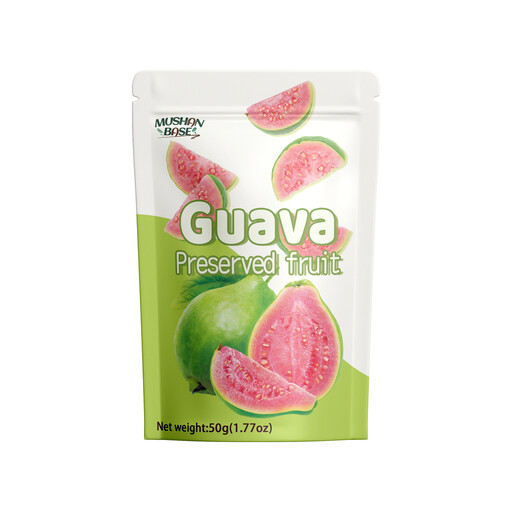
Why this fits: A small pack to try an unfamiliar fruity snack from China without committing to a large stock.
The net weight is clear: 50 grams. The ingredients list 72% red heart sapodilla and the presence of sulphites.
Ready to eat, portable size and a clearly stated fruit percentage.
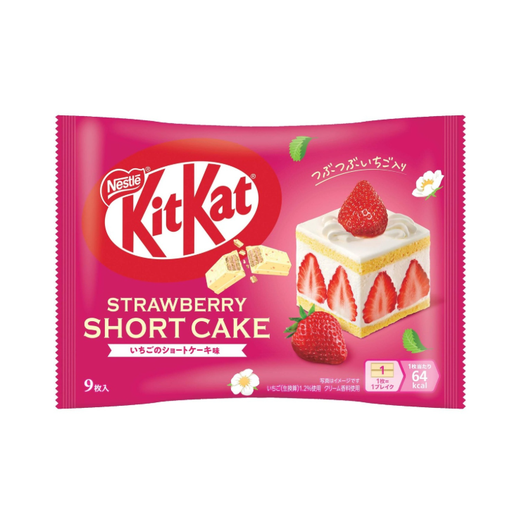
Why this fits: Ideal for anyone who wants to share Japanese snacks during a film night or is looking for a sweet treat in individual portions.
The packaging states 9 pieces and 104.4 grams. Do check milk, wheat and soya information before buying.
Crispy wafer texture, strawberry flavour and a shareable multipack format.

Why this fits: Handy portions for the office, on the train or as a light savoury snack alongside rice dishes.
The pack contains three small portions. The ingredients list seaweed, rapeseed oil, sesame oil and salt; sesame is an allergen.
Crunchy texture, three separate packs and a short ingredients list.
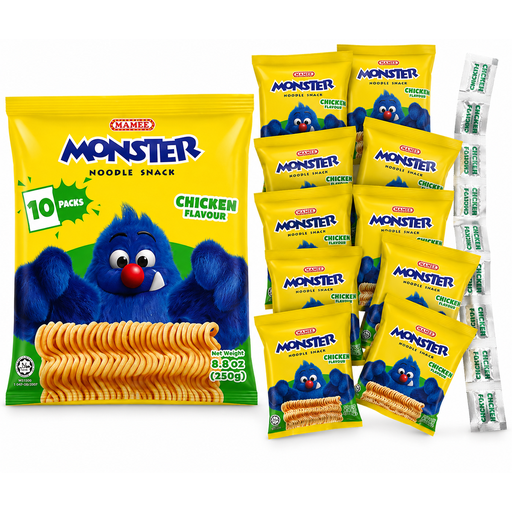
Why this fits: Ten small bags are easy to hand out at a children’s party, games night or long car journey.
The portions are individually wrapped. The product information does mention wheat/gluten, soya and possible traces of other allergens.
Crunchy noodle snack, 25 grams per bag and suitable for eating straight from the pack.
Browse a current selection of sweet and savoury snacks with information on flavour, packaging, ingredients and when to enjoy them.
Choose small, individually wrapped portions that are ready to eat. Seaweed snacks, dried fruit and Mamee noodle snacks fit well in a bag. Check beforehand that the packaging is securely sealed, and don’t leave chocolate snacks in a warm car for long.
No. Korean snacks range from sweet to savoury and from mild to spicy. Orion Choco Pie, for example, is a sweet snack with cocoa and milk ingredients, while Bibigo seaweed tastes mainly savoury. Look at the ingredients and flavour description rather than just the origin.
That varies by product. Dry biscuits and noodles can lose their quality from moisture; seaweed becomes less crunchy. Dried fruit can become stickier. Follow the storage instructions on the packaging, seal opened bags tightly and always check the best-before date.
