
Vandaag of morgen in huis

Kwaliteit gegarandeerd

Welkomstaanbiedingen ontgrendelen: GRATIS bezorging | Tot 80% korting | Gratis 30 dagen JoyPlus-proefperiode
Download de app
Buying snacks online seems simple, but product packaging doesn’t always tell the whole story. An appealing photo, terms such as “light” or “natural”, and a large value pack can catch your eye, while important information is less easy to spot. A few simple checks can help you avoid buying a snack pack that doesn’t suit your taste, dietary requirements or the occasion.
A multipack or snack pack might look appealing, but always check the total weight, the number of portions and the price per 100 g. Ten small bags can be handy for a party, but less suitable if you’re mainly looking for a small snack at home.
Compare the nutritional information per 100 g or per portion. A product that’s low in calories may still contain relatively high levels of sugar, sweeteners or salt. Konjac jelly, for example, may list a very low energy value, while a drinkable fruit jelly with sugar can be considerably higher.
Don’t just look at the front of the pack. Check the ingredients list for gelatine, milk, soya, sesame and cereals containing gluten. Some gummy sweets and sour sweets contain gelatine, while other varieties are vegetarian. And “no known allergens” is no substitute for checking the current label.
Recipes and labelling can vary between Asian snacks, sweets and party snacks. Pay particular attention to:
If you have an allergy, always follow the information on the packaging. Product details can change, so the label is the definitive source.
For sweet snacks such as gummy sweets, fruit jelly and sour sweets, sugar content is an important point of comparison. For example, Look-O-Look Top Mix lists different nutritional values for each type of sweet in the pack. Autodrop Sweet And Sour Cadillacs states that one 25 g portion contains around five to six sweets. This makes it easier to estimate how much you’re actually serving.
For savoury snacks, salt per 100 g is particularly relevant. Chio Party Mix contains 2.5 g of salt per 100 g. Be&Cheery Konjac Vegetarian Tripe contains 3.2 g of salt per 100 g. That doesn’t automatically make these products unsuitable, but the difference matters when you’re comparing several savoury snacks.
A bag of sweets is handy for a sweet jar, while small individual packs are more practical for a birthday or children’s party. Jelly pouches are easy to take on the go, while crackers, pretzels and sticks are better suited to a drinks table. So choose the occasion first, then compare flavour, packaging and nutritional information.
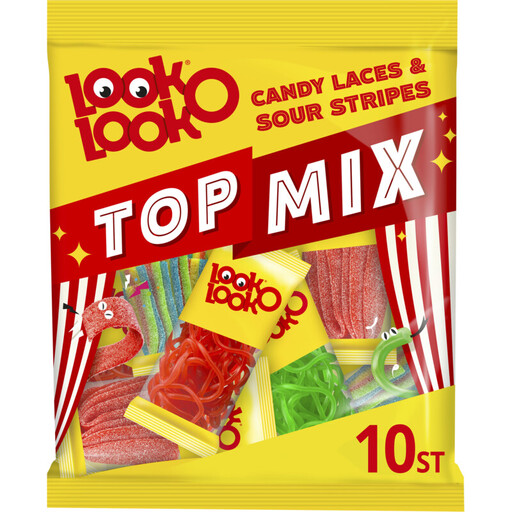
Why it suits this shopper: The mix contains ten small individual packs of sweet belts and sour strips. That makes them easy to compare and hand out, without having to open a large bag straight away.
The number of portions and net weight are clearly stated. Do check the ingredients, though: the sweet belts and strips contain wheat.
Ten individual portions, strawberry and apple-flavoured loops, and strawberry and tutti-frutti flavours in the sour strips.

Why it suits this shopper: This Asian snack combines peach jelly with nata de coco pieces. The drinkable packaging is ideal if you’re after a different texture from traditional sweets.
The product information lists 61 kcal and 13 g of sugar per 100 g. This shows that “light” doesn’t mean sugar-free.
150 g, ready to drink from the pouch and, according to the product information, no allergens reported.
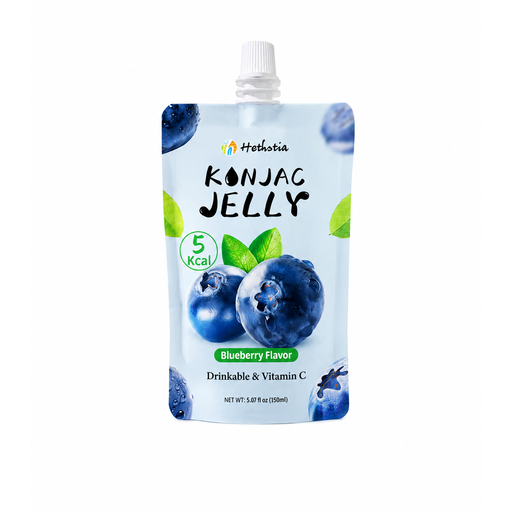
Why it suits this shopper: The squeeze pouch is handy for work, travel or school. According to the product information, each pouch contains 5 kcal and the product is vegan, gluten-free and fat-free.
Each portion is individually packed. If you have any sensitivities, check the current label and follow the advice to refrigerate the product after opening.
Individual pouch, blueberry flavour, 5 kcal per pouch according to the product information, and ready to enjoy.
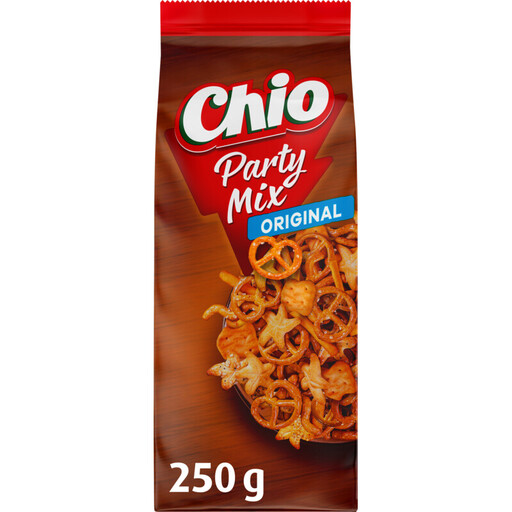
Why it suits this shopper: This mix of crackers, sticks and pretzels offers a range of textures, making it a good choice for a drinks table. The product description states that the snacks are baked.
The mix gives you variety without needing to buy several small bags. Do watch out for milk, sesame and gluten; soya may also be present, according to the label.
250 g, a mix of three types of savoury snacks and 9.3 g of protein per 100 g according to the product information.
We’ve put together a complete, up-to-date list of products that meet these strict selection criteria and the current European safety regulations.
Compare the energy per 100 g and per portion. Also check the sugar, carbohydrates, sweeteners and actual portion size. Konjac jelly may be low in calories according to the label, but that doesn’t automatically make it a complete substitute for other foods.
A combination usually works well: individual portions such as Look-O-Look Top Mix, a bowl of Chio Party Mix and perhaps some sour sweets or fruit jelly for variety. Check for allergens beforehand and leave the original packaging next to the snacks so guests can check the ingredients.
Dry sweets and crackers can usually be stored in a sealed container in a cool, dry place, away from sunlight and moisture. According to the product information, pouches of konjac jelly should be refrigerated after opening and used within the stated period. Always check the date and storage instructions on the packaging.
