
Vandaag of morgen in huis

Kwaliteit gegarandeerd

Welkomstaanbiedingen ontgrendelen: GRATIS bezorging | Tot 80% korting | Gratis 30 dagen JoyPlus-proefperiode
Download de app
Asian snacks are popular for breakfast, at the office, on the go or for a relaxing afternoon tea. There’s a wide variety to choose from, from Japanese snacks and matcha cake to Chinese snacks, sweet buns and filled buns. With so much choice, it’s important to compare products: a soft cake, for example, may need to be stored differently from a crunchy biscuit, while some buns need steaming before they’re ready to eat.
Packaging with a Japanese look or a name such as milk salt cookies may refer to a flavour style, rather than the country where the product was made. So always check the country of origin. LYFEN Japanese Style Milk Salt Cookies, for example, are positioned as a Japanese-style snack, but the product information lists China as the country of origin.
Many individually wrapped buns are ready to eat, but that isn’t true of every product. Synear Brown Sugar Shredded Bun contains raw dough and must be steamed all the way through. It should be stored frozen at -18 °C or below and must not be refrozen once thawed. So a product described as “soft” or “fresh” isn’t necessarily suitable for eating straight from the packet.
A longer shelf life can be useful for stocking up, but you should also check the storage instructions, allergens and nutritional information. Products in this range may contain wheat, milk, soya, egg, peanuts or nuts. Sweeteners or colourings may also be present. Always check the current packaging when buying and before eating, especially if you have an allergy or intolerance.
There are three product groups to consider:
Also check the preparation instructions. According to the product information, some cakes and buns can be warmed briefly in the microwave, for example for 10 to 15 seconds. This is advice for adjusting the texture and temperature, not a guarantee of a particular effect.
For filled buns, the stated percentage of filling is a useful point of comparison. Bakery Village Coconut Red Bean Bread, for example, contains at least 14% red bean paste, while Bakery Village Fresh Torn Bean Toast lists at least 15% red bean filling. Red Bean Pineapple Bread lists a minimum of 9% red bean paste, with red beans making up at least 37% of that filling.
It’s also worth considering the texture:
Individually wrapped products are handy for the office, school or when you’re on the go. Many of the cakes and buns in this selection weigh around 85 to 96 grams. LYFEN biscuits come in a 100-gram bag, while Synear buns come in a 300-gram pack.
Don’t just compare the price per pack; also look at the weight per portion and how long the product will keep after opening. Always check the ingredients list for biscuits and baked goods online. Several products contain wheat, egg, milk and soya. Some also list nuts or nut derivatives.
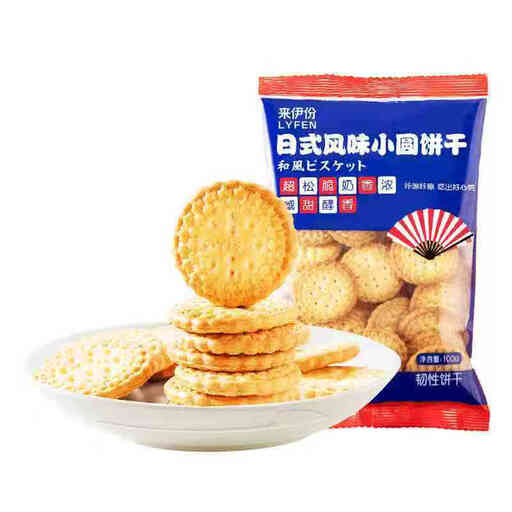
Why it suits this profile: The 100-gram pack and small, round biscuits make this an easy introduction to Asian snacks, without having to buy several types of bread or cake at once.
The product information clearly states that the biscuits are ready to eat and should be stored in a dry place. The allergens wheat, soya and milk are also listed.
Crunchy texture, milk and sea salt flavour, and a handy 100-gram bag to take with you.
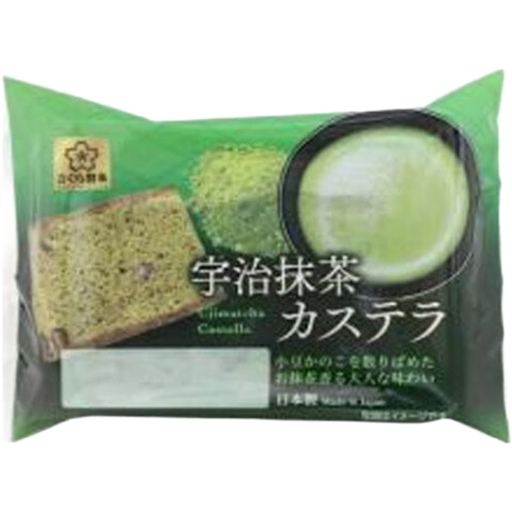
Why it suits this profile: This little cake combines matcha powder with sweet azuki beans. Individually wrapped, it’s ideal for a quiet tea break or as a small gift.
The packaging states the piece weighs 40 grams and lists the ingredients and allergens. Shelf-life and storage information can be found on the label.
Soft, moist cake with azuki beans; individually wrapped; allergen information lists wheat and egg.
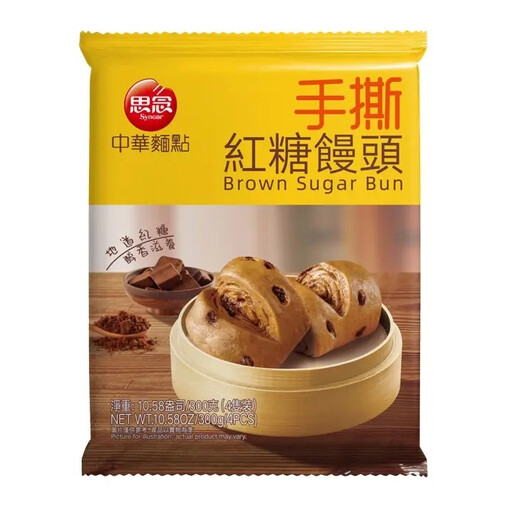
Why it suits this profile: The 300-gram pack is a good choice for households wanting to prepare several portions for breakfast or an Asian-inspired meal at home.
The product information clearly states that this is raw dough. It must be kept in the freezer and steamed for 12 to 15 minutes.
300 grams per pack, a brown sugar flavour and clear steaming instructions.
We’ve put together a complete, up-to-date list of products that meet these strict selection criteria and the applicable European safety regulations.
Soft buns, milk bread, red bean bread, cake and croissants are practical breakfast choices. Check whether the product is ready to eat. Some sweet buns can be warmed briefly, while frozen buns need to be steamed all the way through first.
It depends on the product. Store packaged cakes or biscuits at room temperature, in the fridge or in the freezer, as directed on the label. Seal biscuits well after opening to keep them crunchy. Products that need to be kept chilled shouldn’t be left out of the fridge for long.
Compare the net weight, price per pack, shelf life, storage conditions and allergens. Also check the preparation instructions and country of origin. This will help you choose between Japanese snacks, Chinese snacks, matcha cake, milk bread, filled buns, croissants and other Asian baked goods.
