
Vandaag of morgen in huis

Kwaliteit gegarandeerd

Welkomstaanbiedingen ontgrendelen: GRATIS bezorging | Tot 80% korting | Gratis 30 dagen JoyPlus-proefperiode
Download de app
Fancy some Asian snacks, but can't decide between spicy konjac, Chinese snacks, Japanese crisps or Thai seafood snacks? The range is huge, and packaging often uses words like “intense”, “authentic” and “extra crunchy”. Those terms don't always tell you what you're actually getting.
So pay attention to three things in particular: the ingredients list, the nutritional information and the pack size. That way, you can avoid a snack turning out too salty, too spicy or unsuitable for your allergies. Below, you'll find out how to choose wisely for a gaming night, a party, an Asian snack mix or just a small portion for on the go.
“Hot”, “spicy” and “chilli” can refer to very different flavour profiles. A snack with red chilli can be sweet and mild, while Sichuan snacks often also have a tingling or numbing effect thanks to Sichuan pepper. With spicy Asian snacks, it's therefore useful to check the ingredients. If chilli, cayenne pepper or Sichuan pepper appear high up the list, the flavour is likely to be prominent.
A multipack is handy for sharing, but check the total weight and the portion size. Twelve 40g bags are practical for a party, for example, while a 20g bag is better suited to a quick snack break. With individual bags, having several smaller packs can also help keep the crunchiness for longer.
Some konjac snacks contain relatively few calories per 100g according to the product information, but can be high in salt. The WEILONG Konjac Snack Spicy Flavor, for instance, lists 84 kcal and 2.8g of salt per 100g. Other snacks may be vegetarian, but still contain soya, wheat, sesame or flavour enhancers. So always check the actual packaging, especially if you have allergies or follow a specific diet.
First, check whether the snack suits your dietary needs. Many Chinese snacks contain soya and wheat, for example through soy sauce or wheat gluten. Japanese snacks may contain soya, milk and wheat. Seafood snacks often contain fish, squid, prawns or shellfish.
Look out for these common allergens:
A product description may state that a snack contains no artificial colours, but that doesn't automatically mean all possible allergens are excluded.
Use the nutritional information to compare products more fairly. Pay particular attention to:
A 20g or 40g portion gives a different picture from the value per 100g. So with multipacks, work out how much you're actually having per eating occasion.
Texture makes a big difference. If you're after crunchy Asian crisps, go for ridged potato crisps or light corn puffs. If you prefer a firmer bite, look at konjac, wheat gluten or dried seafood.
Also check:
With chilli snacks, it's wise to avoid contact with your eyes and broken skin. Wash your hands after eating if there's a lot of chilli powder or oil on the snack.
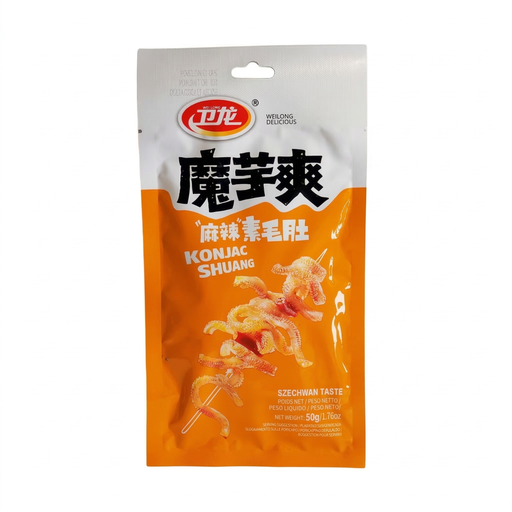
Why this suits the profile: The 50g pack is ideal for trying a flavour first without committing to a large bulk pack. The product description mentions a chewy and crunchy texture with Sichuan-style málà flavour.
The small size limits waste if the texture or heat isn't for you. Do check the listed allergens: soya and wheat.
50g, ready to eat and, according to the label, 84 kcal per 100g. The snack is produced in China.
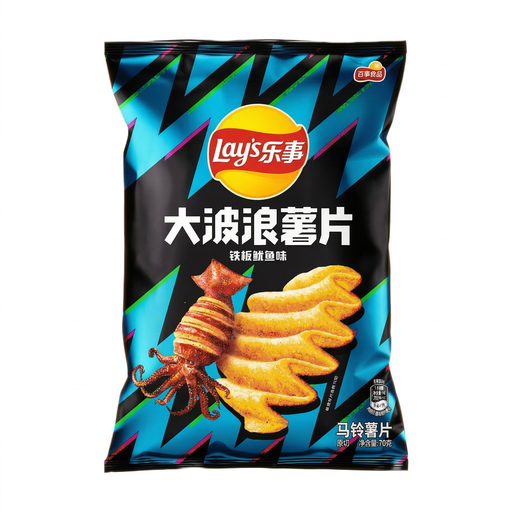
Why this suits the profile: This variant is aimed at fans of pronounced umami and seafood flavours. According to the product description, the crisps are thick-cut and ridged, with a flavour inspired by grilled squid.
The flavour description is specific: grilled squid, soya, garlic, cumin and chilli. So you know better what to expect than with a vague term like “special flavour”.
Ridged crisps, 70g, with a firm crunch. According to the label, contains wheat, soya, milk, sesame and squid.
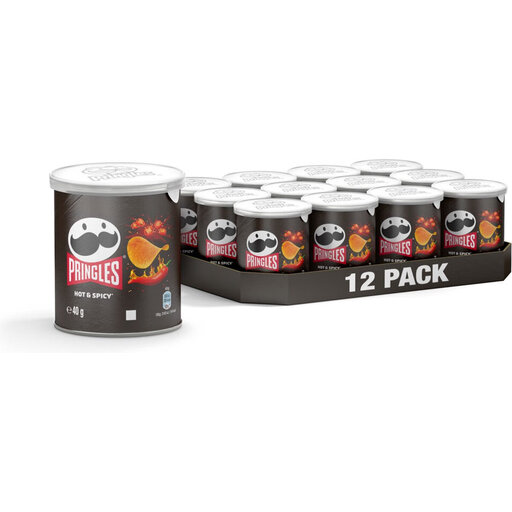
Why this suits the profile: The twelve individual bags are practical for students, gamers, offices and party organisers. You open one portion at a time instead of a large bag.
The multipack makes the portion size clear and limits the loss of crunchiness after opening. Do check the current ingredients for chilli, soya or other additions.
Twelve 40g bags, ready to eat and focused on a chilli-spice profile. The product information does not list any of the 14 main EU allergens.
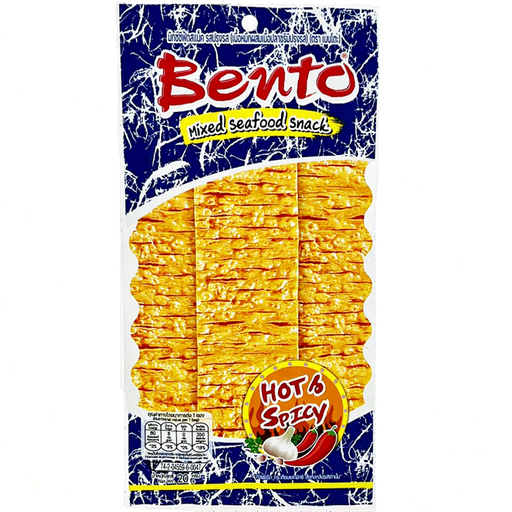
Why this suits the profile: This small Thai snack combines squid with surimi and a spicy seasoning mix. The size is ideal for a quick snack break or as part of a tasting selection.
The product information lists the main components and allergens explicitly. So you can check in advance whether fish, squid, prawns, soya, peanuts or sesame are an issue for you.
Compact 20g pack, ready to eat and suitable for storing in a cool, dry place. The product description mentions a chewy texture.
We've put together a full, up-to-date list of products that fully meet these strict selection criteria and current European safety regulations.
Start with a small pack and choose a clear flavour profile, such as paprika, barbecue or sweet chilli. If you want to build up the heat, try a regular chilli or wasabi snack first before moving on to málà or Sichuan snacks.
Multipacks with individual portions are practical. Pringles Hot & Spicy contains twelve 40g bags. For more variety, you can combine these with Asian crisps, konjac snacks and small BENTO packs. Check allergens before serving snacks together.
Store unopened snacks according to the label in a cool, dry place. Seal opened bags well and consume them quickly, especially with crisps and corn puffs. Individual portions help to preserve the texture and flavour better. Check the packaging of each product for the current best-before information.
