
Vandaag of morgen in huis

Kwaliteit gegarandeerd

Welkomstaanbiedingen ontgrendelen: GRATIS bezorging | Tot 80% korting | Gratis 30 dagen JoyPlus-proefperiode
Download de app
Asian snacks come in many forms, from spicy Korean snacks and Thai seafood snacks to Chinese snacks, Indian snack mixes and vegetarian snacks made with soya, wheat or konjac. There’s plenty to choose from, but that can make comparing products more difficult. Eye-catching packaging or a promise of “authentic flavour” doesn’t automatically tell you how spicy a snack is, what its texture is like, its nutritional value or whether it’s suitable for eating on the go.
Keep an eye out for these three common pitfalls:
Where possible, read the full ingredients list on the packaging. It’s particularly important to check whether a product contains soya, wheat or gluten when choosing vegetarian and plant-based snacks. A snack may contain no meat but still be unsuitable for anyone with a soya or gluten allergy.
For example:
According to the product information, Be&Cheery Spicy and Crispy Gluten Snack contains wheat gluten and soya. The listed ingredients for Wuxianzhai Vegetarian Beef Mala Flavour include soya. These snacks may appeal if you’re looking for a plant-based texture, but they aren’t suitable for everyone with an allergy.
The word “snack” covers several different types of product:
If you’re looking for snacks to take on the go, a ready-to-eat product that doesn’t need to be kept chilled is usually a convenient choice. Still, check the storage instructions. Some products need to be refrigerated after opening, including certain packs of vegetarian snacks.
“Spicy” can mean a range of flavour profiles. Korean snacks, for example, often feature chilli, roasted seaweed or barbecue seasoning. Thai snacks often combine chilli with sweet, sour, lime leaf or fish sauce flavours. Chinese snacks may have a mala profile, combining chilli with Sichuan pepper. Indian snacks often contain chickpea flour, lentils, cumin, mango powder or other spices.
So don’t just look at the front of the pack. Check:
A high salt or sodium content isn’t an automatic reason to rule out a product, but it’s worth bearing in mind when comparing several snacks.
The selection below is based on the listed ingredients, packaging, flavour profile, portion size and preparation. Brand descriptions of flavour or product effects are not presented here as established facts; the practical details are taken from the available product information.
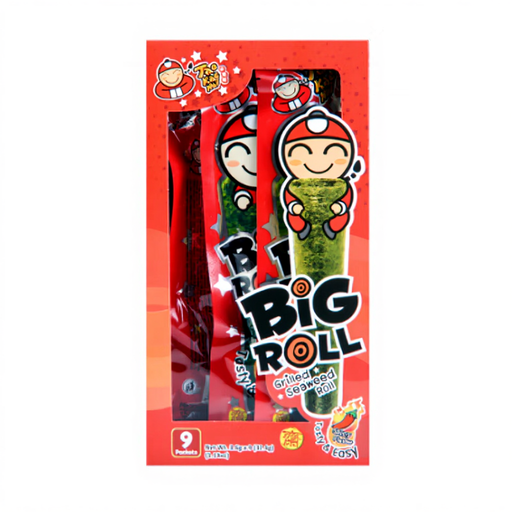
Why it suits this type of shopper: The compact pack is handy for trying spicy Asian snacks for the first time or as a small snack to take on the go.
The 27 g portion means you’re less likely to buy a large quantity before you know whether you like the flavour and level of spice.
Thai origin, a crunchy seaweed texture according to the product description, and a small pack that’s easy to take with you.

Why it suits this type of shopper: These Korean seaweed snacks come in three 5 g portions and are a good choice if you’re after a light, crunchy snack with sesame.
The individual portions help prevent the product being left open for too long, which can affect the texture of crunchy seaweed snacks.
Three small packs, ingredients including seaweed and sesame, and clear Korean positioning.
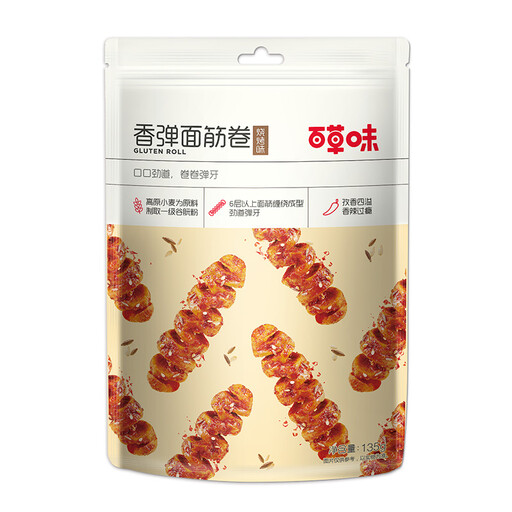
Why it suits this type of shopper: The mix of crunchy and chewy textures is ideal for fans of Chinese snacks looking for a bold barbecue and chilli flavour.
The product information lists the weight, six-pack format and allergens such as wheat and soya, making it easier to compare.
135 g across six packs, 20 g of protein per 100 g according to the product information, and a plant-based foundation.
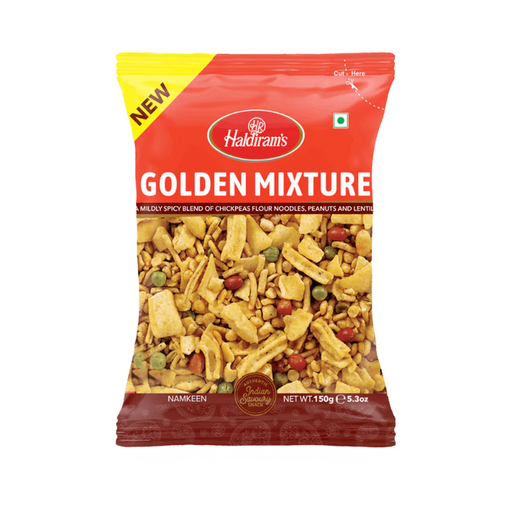
Why it suits this type of shopper: This Indian snack mix offers a variety of textures in one pack and is ideal with tea, when you have guests or in a bowl to share.
The ingredients include chickpea flour, peanuts and lentils, so you can check in advance whether the mix is suitable for your allergies.
A 150 g pack with chickpea noodles, peanuts and lentils, and a mildly spicy flavour profile according to the description.
We’ve put together a complete, up-to-date list of products that meet these strict selection criteria and the current European safety regulations.
For a film night, a snack mix, Chinese vegetarian snacks or Indian snacks are handy for sharing. For a lunchbox or train journey, individually wrapped seaweed snacks, konjac snacks and small seafood snacks are more convenient. Check the allergens in fish and shellfish products. According to the product information, BENTO Mixed Seafood Snack Hot & Spicy contains squid and surimi, among other ingredients. It’s different from a vegetarian or plant-based snack.
If you’re mainly looking to discover authentic Asian flavours, try comparing snacks from different regions:
Choose a product that doesn’t need to be chilled and comes in a small, resealable pack. Seaweed snacks, individually wrapped vegetarian snacks and 20 g BENTO packs are convenient options. Always check the storage instructions on the label after opening.
No. Some products are mild, such as certain nut mixes or cassava crisps. Other snacks contain chilli, barbecue seasoning, wasabi, mala or nam prik. The term “spicy” gives you a general idea, but the exact intensity varies by product and personal taste.
Products made with soya, wheat gluten, konjac or chickpeas may be vegetarian or plant-based. Still, check the full ingredients list. Sauces, flavourings and possible traces of other ingredients may be relevant for vegetarians, vegans and people with allergies.
