
Vandaag of morgen in huis

Kwaliteit gegarandeerd

Welkomstaanbiedingen ontgrendelen: GRATIS bezorging | Tot 80% korting | Gratis 30 dagen JoyPlus-proefperiode
Download de app
Are you looking for authentic Asian snacks but don't know where to start? The online selection is vast, ranging from crispy rice crackers to surprising Chinese treats. But how do you distinguish a real treat from a disappointment? Many packages promise the world, but the contents often fall short. As a Joybuy Product Recommendation Officer, I'll help you see through the marketing fluff and make the right choice.
In this guide, we'll discuss the most common pitfalls and provide practical tips on what to look for. This way, you're guaranteed to find a snack that suits your taste.
Before you fill your shopping cart, it's wise to consider a few common issues. This will not only save you money but also a taste experience you'd rather have skipped.
To avoid a bad purchase, it's smart to evaluate two core elements of the snack. These specifications provide a much clearer picture than the marketing on the front of the package.
The descriptions of Asian cookies and other snacks often contain specific terms that define the eating experience. By understanding them, you'll have a better idea of what to expect.
A quick look at the back of the package tells you everything you need to know about quality and convenience.
Based on clear product features and various taste preferences, we've lined up some popular choices for you.
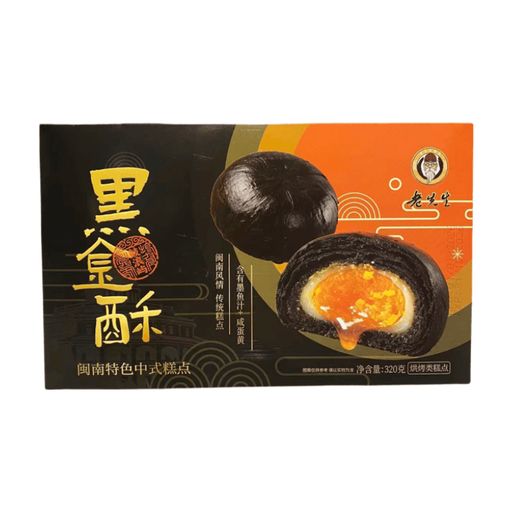
Why This Fits Their Persona: Perfect for those who aren't afraid of a unique combination. This pastry combines a sweet pineapple filling with a soft mochi layer and a savoury centre of salted duck egg yolk, all encased in a striking black dough made from cuttlefish ink.
The product name and description are very clear about the unique ingredients (cuttlefish ink, salted egg yolk). This avoids the pitfall of an unexpected flavour. You know exactly what you're getting into.
Complex, layered flavour (sweet, salty, savoury) and a unique visual presentation. Individually wrapped for convenience.
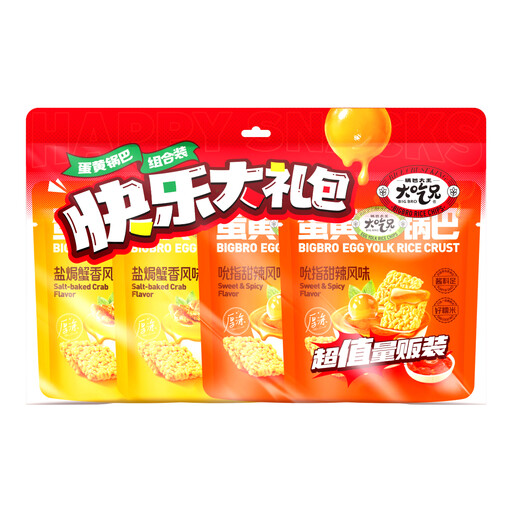
Why This Fits Their Persona: Ideal for those who love a classic crispy rice cracker but are open to a popular savoury twist. The salty, creamy flavour of duck egg yolk adds an extra dimension to the light cracker.
The packaging consists of four separate bags. This prevents the disappointment of a half-empty large bag and keeps the crackers fresh and crispy. The flavour is clearly described.
Crispy texture with a rich, savoury flavour. Convenient portion packs, ideal for sharing or for on-the-go.
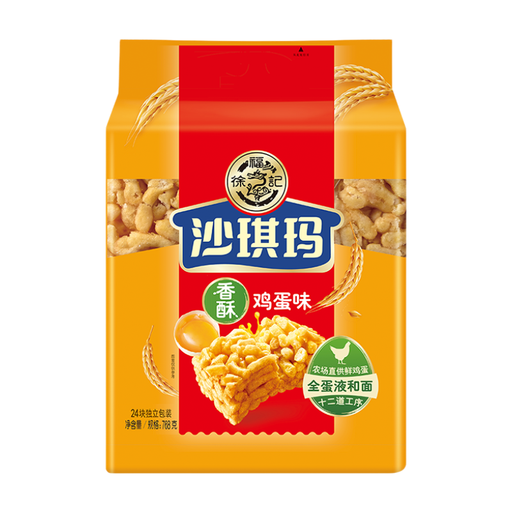
Why This Fits Their Persona: For those looking for a classic Chinese treat. Sachima is a sweet, airy snack made from puffed noodles, similar to a crispy rice bar. This large package is perfect for families or for stocking up.
This is an authentic, traditional snack. The flavour is sweet and approachable, with no unexpected savoury elements. The large family pack offers great value for money, and the individual portions are clearly visible.
Soft, chewy, and crispy texture with a rich egg flavour. Large package (768g) ideal for sharing and stocking up.
We have compiled a complete, up-to-date list of products that fully meet these strict selection criteria and local regulations.
While both are crispy, they often differ in flavour and texture. Japanese rice crackers (senbei) are typically more savoury and often flavoured with soy sauce. Chinese rice crackers (like guoba) can be either savoury or sweet and sometimes have a lighter, more puffed texture.
Not necessarily. While there are many spicy options, especially from Sichuan cuisine, the range is very diverse. There are countless sweet, salty, and mild snacks. Look for terms like "Spicy," "Sichuan," or "Mala" if you want to avoid—or seek out—heat.
Most Asian cookies and crackers are sensitive to moisture and can quickly lose their crispness. If they are not individually wrapped, it is advisable to store them in an airtight container or tin in a cool, dry place after opening. This helps to preserve their texture and flavour.
