
Vandaag of morgen in huis

Kwaliteit gegarandeerd

Welkomstaanbiedingen ontgrendelen: GRATIS bezorging | Tot 80% korting | Gratis 30 dagen JoyPlus-proefperiode
Download de app
Asian snacks are hugely popular in the UK, from Japanese biscuit sticks to Korean chocolate treats and Chinese biscuits. However, an eye-catching packet isn't always enough to guarantee a good choice. A small bag can be surprisingly pricey, a flavour might not taste as you expected, and allergen information isn't always clearly displayed on the front.
With these practical selection tips, you can compare Asian snacks by portion size, ingredients, allergens and when you plan to eat them. That way, you'll find it easier to pick something for on the go, with your coffee, in a lunchbox or to share.
A 300g bag might look like a bargain, but it's less convenient if you're after smaller portions. On the flip side, individual packets can push up the price per 100g. So always compare:
A portion pack of 40 to 50g is practical for school, work or travel. A 200 to 300g packet is better suited to a family or a coffee break with several people.
Japanese, Korean and Chinese snacks often feature flavour combinations that are less familiar here. Matcha, latte, yoghurt, cheesecake or fruit flavouring doesn't always tell you how much of that ingredient is actually present.
So check the ingredients list and the quantitative declaration. For example, the product information for Oreo Cocoa Crunch Biscuit Sticks – Matcha states 1% green tea powder and 4.8% cocoa powder. That gives you far more context than just the name on the packet.
Many Asian biscuits and chocolate snacks contain wheat, milk or soya. Other products also list egg, barley, peanuts or nuts as an ingredient or possible traces. Always check the actual packet before eating, especially if you have an allergy or intolerance.
Also look out for additional warnings. Some products containing colour E102 state that it may have an adverse effect on activity and attention in children. Use this information as part of your buying decision, not just the flavour or appearance.
For snacks on the go, small packets are often the most practical:
Individual bags also help keep biscuit sticks, wafers and biscuits crunchier for longer after a larger packet has been opened.
Compare nutritional values per 100g, not just per packet. For example, the energy value of the products mentioned ranges roughly between 455 and 539 kcal per 100g. The sugar content also varies: Glico Pocky Cookies lists 32g of sugar per 100g, while LOTTE Pepero Crunky Cookie Sticks lists 33g.
These figures don't tell you how often you should eat a snack, but they do help you compare products transparently. Also look at fat, saturated fat, salt and portion size.
Check whether the snack suits your needs. Examples from the range:
The composition can change. So always use the label on the packet you receive as your up-to-date source.
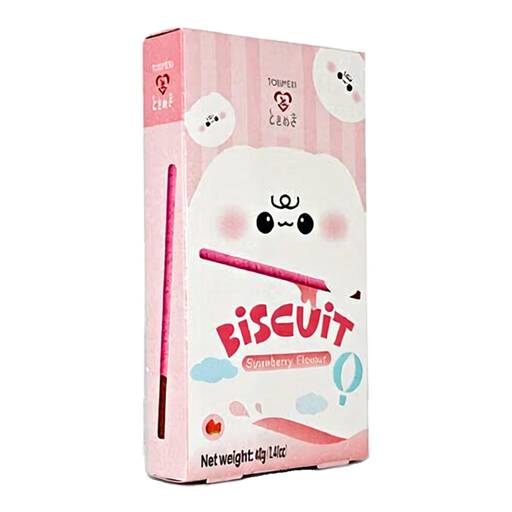
Why this fits the profile: The 40g packet is straightforward and easy to take with you. According to the product information, this is a small portion for on the go or with tea and coffee.
The net weight is clearly stated, so you won't mistake a small packet for a large sharing product. Check the exact flavour on the label.
40g, ready to eat and, according to the product information, free from the 14 major EU allergens.
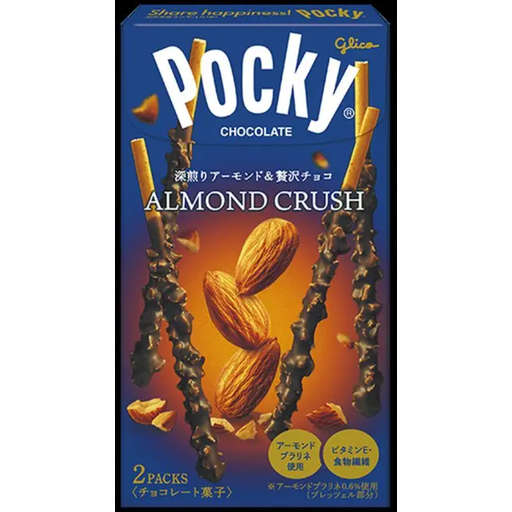
Why this fits the profile: The 2-pack is ideal for sharing or keeping one packet aside. The biscuit sticks feature a cookies-and-cream-style coating according to the product description.
The packet states 46.2g and two portions. The product information also lists wheat, milk and soya as allergens.
Two packets per unit, portable size and clear nutritional value of 480 kcal per 100g.
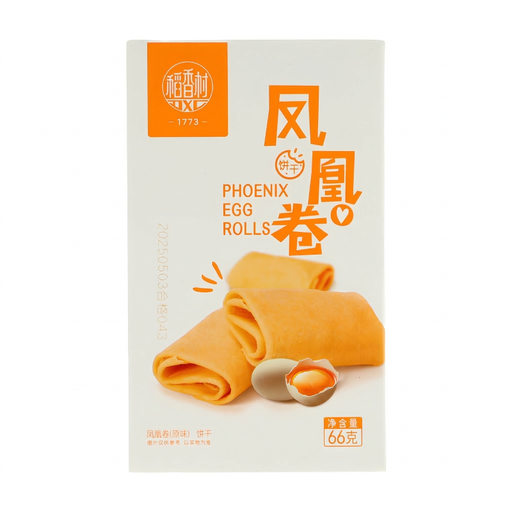
Why this fits the profile: This Chinese snack is designed for a quiet moment with tea or coffee. The 66g box suits anyone looking for a specific, crunchy egg roll.
The product information states the weight, origin and allergens. After opening, the packet must be sealed properly to keep the rolls crunchy.
66g, ready to eat and a clear allergen declaration for wheat, egg, milk and soya.
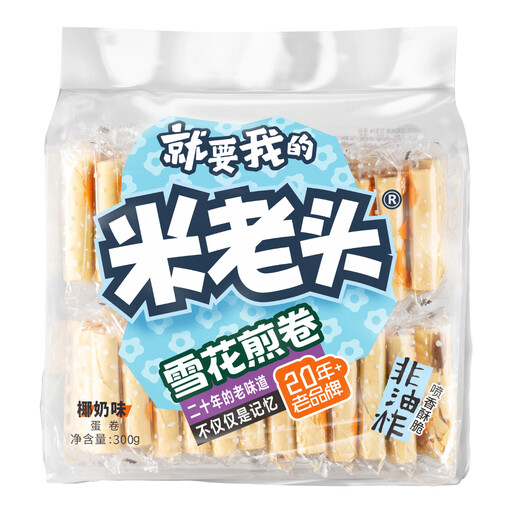
Why this fits the profile: The 300g packet is designed for sharing and multiple snack moments. The flavour is coconut milk and the rolls are ready to eat according to the product information.
The larger net weight makes the choice transparent for anyone not looking for individual mini portions. Seal the packet well after opening.
300g, ideal for sharing and a nutritional value of 476 kcal per 100g according to the product information.
We've put together a full, up-to-date list of products that fully meet these strict selection criteria and comply with current European safety regulations.
Small packets of around 23 to 50g are usually practical for a bag, lunchbox or train journey. Biscuit sticks, chocolate sticks and small wafers create fewer crumbs than large, fragile biscuits. Do check whether the packet can be resealed after opening.
That depends on the product, the packaging and how you store them. Keep biscuits, wafers and biscuit sticks according to the label in a cool, dry place, away from direct sunlight and moisture. Seal an opened packet properly and check the best-before date on the packaging.
Compare the net weight, price per 100g, nutritional values, ingredients and allergens. Also check the product image and flavour variant before you order. If you're unsure about the current composition, the label on the packet you receive takes priority.
