
Vandaag of morgen in huis

Kwaliteit gegarandeerd

Welkomstaanbiedingen ontgrendelen: GRATIS bezorging | Tot 80% korting | Gratis 30 dagen JoyPlus-proefperiode
Download de app
Fancy some Asian snacks but not sure which pack or flavour suits you? Online, you’ll find Chinese snacks, Japanese and Korean snacks, spicy snacks, konjac snacks and instant noodles all sitting side by side. The difference isn’t just about taste. Portion size, preparation, allergens and shelf life also determine whether a product is right for your needs.
Terms like volcano, mala and hot chicken suggest a bold flavour, but they don’t give a standardised heat scale. One shopper is after chilli, while another expects the numbing effect of Sichuan pepper. So check the ingredients list for chilli, Sichuan pepper, chilli oil and pepper extracts.
Also look out for added sauces. With instant noodles, the seasoning can be added separately, meaning you can partly control the intensity yourself.
Konjac snacks and other plant-based snacks are often offered as a vegetarian choice. However, they can contain soya, wheat, sesame or peanut. A product may also include flavourings or sauces that are relevant for certain allergies.
Before buying, read the allergen information on the product page and always check the label when it arrives. The packaging may contain more or different information than the online description.
A box of twenty small bags is handy for on-the-go or sharing, but compare the price per 100 grams and the best-before date. With snacks that have a short consumption period after opening, a big bag can be less practical than several portion packs.
Use this simple guide:
If you’re trying Asian snacks for the first time, start with one mild product and one small spicy pack. That way, you avoid ending up with a whole box you don’t use.
Texture varies a lot by product category:
Check whether a product is ready to eat. Some Chinese noodles, such as buckwheat noodles, need to be heated. Other snacks are fine to eat straight after opening.
At a minimum, look out for:
A claim like “light”, “healthy” or “low-calorie” is no substitute for the nutrition table. Use the values per 100 grams to compare products fairly. Brand descriptions about fibre, quality or a special effect come from the brand itself and should not be read as independently verified results.
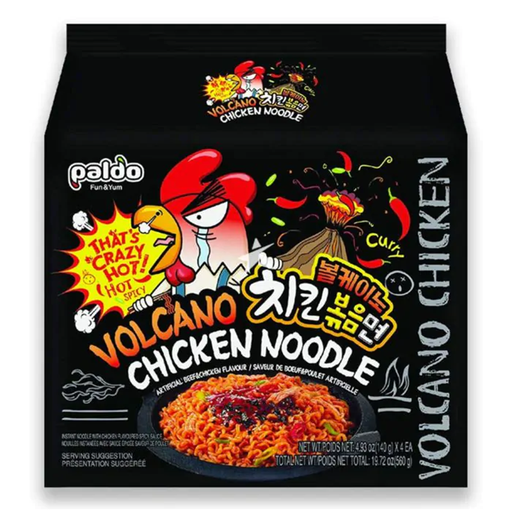
Why it fits this profile: A four-pack makes it easy to try spicy instant noodles without committing to a large box straight away. According to the product information, preparation takes 3 to 4 minutes, followed by rinsing in cold water and mixing with the sauce.
The portion size and preparation steps are clearly stated. Add the sauce gradually if you’re still getting used to spicy flavours.
Four individual packs; noodles with a sweet-spicy seasoning; suitable for fans of Chinese noodles.
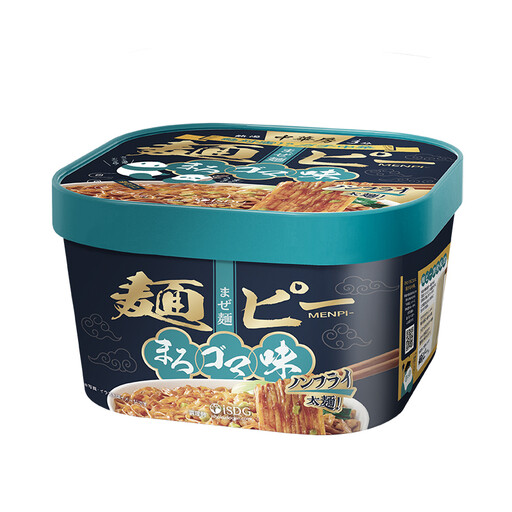
Why it fits this profile: These Wuhan-style hot dry noodles come with separate sachets of sauce, sesame paste, chilli oil and vegetables. That gives you more control over the final flavour and texture than a single pre-mixed seasoning.
The ingredients and allergens are listed in detail. Please note: this product contains wheat, soya, sesame and peanut.
Multiple flavour components; preparation in around 3 minutes; vegetables including carrot, pickled vegetables and yardlong beans.

Why it fits this profile: The box contains 20 bags of 18 grams each. That works well for stocking up at home, lunchboxes, long working days or a platter of Asian nibbles.
The individual bags limit exposure to air and make the portion visible. Do check the listed allergens: soya and wheat.
20 portion packs; vegetarian product description; crunchy and chewy konjac texture with Sichuan-style flavour.
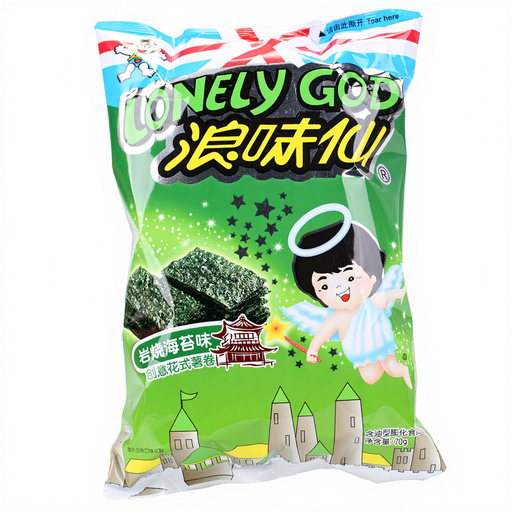
Why it fits this profile: The crispy potato snack is ready to eat and has a tomato flavour. The 70-gram size is practical for a film night or a small bowl of snacks.
The snack requires no preparation and has no mention of an extremely spicy flavour. Do check the allergen information for wheat before buying.
70 grams per bag; crispy potato twist; ready to serve and share straight away.
We’ve put together a full, up-to-date list of products that fully meet these strict selection criteria and comply with current European safety regulations.
Before you check out, run through this quick checklist:
For fans of Japanese and Korean snacks, a variant with hot chicken sauce could be interesting. If you’re mainly after Chinese snacks, you’ll find more choice in konjac, noodles and Sichuan flavours. Rice snacks, potato snacks and vegetarian snacks are generally easier to combine in a mixed order.
Start with a ready-to-eat potato snack, rice snack or dry noodle snack with a mild flavour. If you want to try something spicy, choose a small pack or add part of the sauce. That way, you can get used to it without stocking up on a large amount.
Many konjac snacks are made on a plant-based basis and described as vegetarian. That doesn’t automatically mean they are free from all allergens or suitable for a vegan diet. Always check the current ingredients list. The products mentioned contain soya, wheat and sesame, among other things.
The exact best-before date is on the packaging. Unopened dry snacks should generally be stored cool, dry and out of direct sunlight. Seal an opened bag tightly to keep it crispy. Cooked instant noodles and opened snacks are best consumed straight away, following the usage instructions.
