
Vandaag of morgen in huis

Kwaliteit gegarandeerd

Welkomstaanbiedingen ontgrendelen: GRATIS bezorging | Tot 80% korting | Gratis 30 dagen JoyPlus-proefperiode
Download de app
When you buy Asian snacks online, you’ll quickly see a huge selection: from Chinese snacks and Japanese mochi to dorayaki, bao buns and mooncakes. The difference isn’t just about flavour. Portion size, allergens, shelf life and how they’re prepared all determine whether a product is right for you.
Marketing terms like “authentic”, “premium” or “extra filled” don’t tell you much on their own. So it’s best to look at verifiable information on the label and product page instead.
A 2.5 kg bag can be handy for a party, the office or a large family. But if you only occasionally fancy something with a cup of tea, that size of pack can actually lead to a loss of quality once opened. So always check the net weight, the number of individual portions and the storage instructions.
Individually wrapped snacks, such as some meat floss cakes and mochi, are easier to take with you and share. Just pay attention to the recommended consumption time after opening.
Mochi can be soft and chewy, but the filling, packaging and temperature all affect the experience. The Bestore Mochi Gift Box, for example, contains matcha, sesame and mango flavours, each weighing 30 g. According to the product information, these snacks should be stored in a cool, dry place, not in the fridge. Once opened, it’s recommended to eat them within 24 hours to keep that soft texture.
Some sweet Asian snacks are ready to eat straight away, while bao buns and savoury mooncakes need to be heated. A frozen char siu bao, for instance, needs to be steamed for about 15 minutes. If you pick the wrong product, it might not be suitable for a quick snack at the office or on the go.
Always check the allergen information. Many Asian treats contain wheat or gluten, soya, milk, egg, sesame or nuts. MENGFU Charsiu Bao lists wheat, soya and molluscs among its ingredients; the product may also contain traces of other allergens.
With Japanese mochi, rice flour, sugar and various fillings often come together. LOVE MOCHI Orange Flavour doesn’t list any allergens, but always check the current packaging and product information before ordering.
Compare products by net weight and portion size. The Bestore mochi gift box contains 360 g, split into 12 individually wrapped pieces. The Yuki & Love Mini Dorayaki Red Bean contains 130 g and is aimed at smaller portions.
Nutritional values are usually given per 100 g. That makes it easy to compare, but it doesn’t tell you how much you’ll actually eat in one sitting. Also look at sugar, fat and salt if you’re putting together a selection for your cupboard or a gift set.
Pay attention to these three key instructions:
For frozen products, the preparation instructions are a guide. Appliances vary in power, so check that the centre is piping hot before serving.
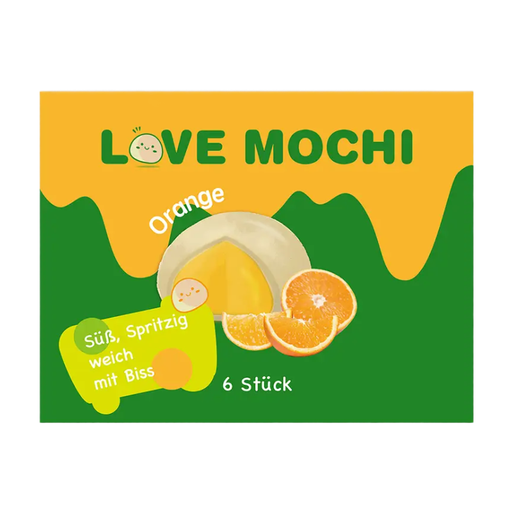
Why this suits the profile: A compact pack of individually wrapped, soft rice cakes. Handy for trying mochi without committing to a large box straight away.
The net weight is 180 g and, according to the product information, the snack is ready to eat. This makes the choice simpler than a large range with different preparation methods.
Orange filling, individually wrapped and no allergens listed in the product information provided.

Why this suits the profile: Ideal for anyone who wants to offer different Japanese mochi flavours with tea, for guests or as a gift of Asian treats.
The box is divided into 12 individual portions: four matcha, four sesame and four mango flavours. That makes sharing and portioning easy.
Three flavours, gift packaging and a clear storage condition of below 25 °C; contains sesame.
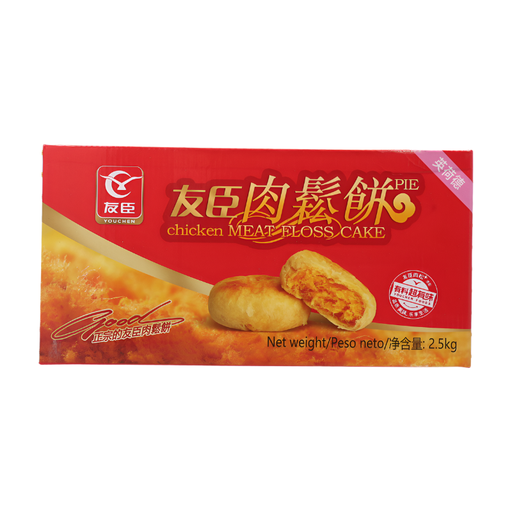
Why this suits the profile: A large supply for parties, the office, family gatherings or regular sharing with a cup of tea.
According to the product information, the pack contains approximately 66 to 70 pieces. Once opened, the bag must be sealed tightly and the contents consumed within two weeks.
Large quantity, individually wrapped portions and ready to eat; contains wheat according to the allergen information.
For a sweet snack with breakfast or tea, there are several styles to consider:
When it comes to claims about flavour or texture, bear in mind that these are descriptions from the brand or product page, not a guaranteed result for every user. Always check the current ingredients, allergens and shelf life on the packaging before you buy.
We’ve put together a full, up-to-date list of products that fully meet these strict selection criteria and comply with current European safety regulations.
Soft mochi, dorayaki, pineapple cake and small red bean buns all go well with tea. Choose individually wrapped products if you want to serve them to several people or save them for different occasions.
Check the packaging. Bao buns and frozen savoury mooncakes need to be steamed, cooked in the oven or heated in an air fryer. Ready-to-eat cakes, mochi and many meat floss cakes don’t normally need any preparation.
It varies from product to product. Store dry snacks in a sealed container and follow the date on the packaging. For the Bestore Mochi Gift Box, it’s recommended to eat the opened product within 24 hours. For the large Youchen pack, the product information states a period of two weeks after opening. Always follow the specific information on the label.
