
Vandaag of morgen in huis

Kwaliteit gegarandeerd

Welkomstaanbiedingen ontgrendelen: GRATIS bezorging | Tot 80% korting | Gratis 30 dagen JoyPlus-proefperiode
Download de app
Asian snacks offer so much more than just sweet treats and standard crisps. Think Chinese snacks with Sichuan pepper, konjac snacks with a firm bite, vegetarian meat alternatives and baked potato crisps. Yet it can be tricky to quickly see online which products suit your taste, diet and snacking occasion.
Pay particular attention to three common pitfalls:
With the right checks in place, you’ll find it easier to choose Asian snacks for home, on the go or for sharing.
The label must clearly list ingredients and allergens in line with European food information regulations. When looking at Chinese snacks and other Asian products, pay particular attention to:
A product labelled as vegetarian or vegan is therefore not automatically suitable for everyone with an allergy. Check the packaging with every purchase, as recipes can change.
Words like “spicy”, “hot” or “Sichuan” don’t always describe the same taste experience. Sichuan pepper can give a savoury, tingling character, while chilli mainly adds heat. Garlic, ginger, spring onion, sesame or barbecue seasonings change the overall profile considerably.
If you’re buying spicy snacks for the first time, it’s best to choose small portions or a multipack. That way, you can discover which flavour direction suits you without committing to a large quantity of one variety.
Don’t just compare the price of a pack – also look at the price per 100g and the number of portions. A box with twenty small bags is ideal for a snack box, lunchbox or party. A bag of 25g or 62g, on the other hand, is perfect for one person.
Nutritional information is usually given per 100g. Look at energy, fat, carbohydrates and salt in particular. With strongly seasoned savoury snacks, the salt content can be relatively high. That makes it all the more important to factor in portion size when comparing.
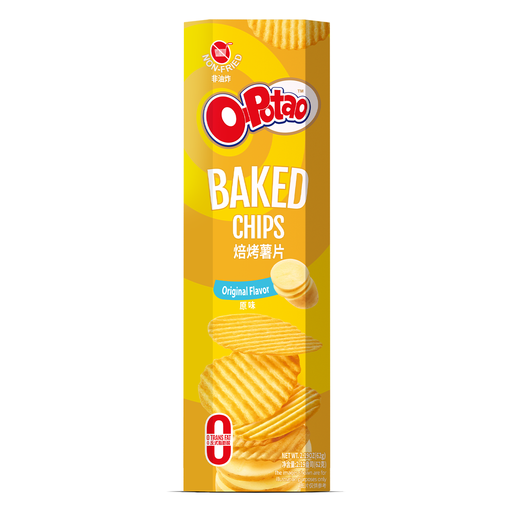
Why this fits the profile: The compact bag is ideal for trying a type of Asian crisp without buying a multipack straight away. The original flavour with salt, garlic and onion is accessible for beginners.
The 62g pack limits the risk of waste if the flavour isn’t to your liking. According to the product information, the crisps are baked and contain 31.3% potato powder; check the current label for the full composition.
62g, original seasoning and ready to eat straight away. Per 100g, the product information states 538 kcal and 1.2g salt.
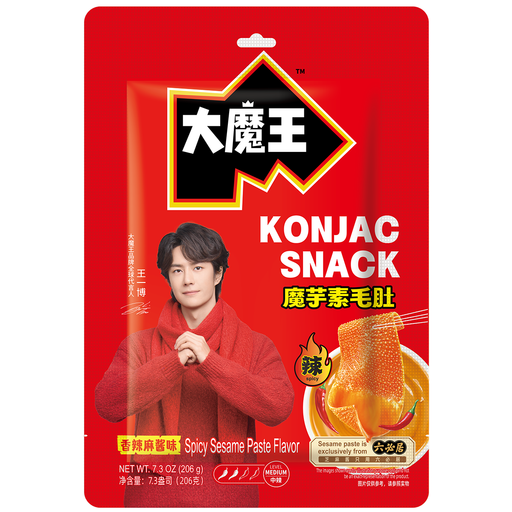
Why this fits the profile: This konjac snack combines a firm, chewy texture with sesame, chilli and Sichuan pepper. That suits enthusiasts looking for more than just a salty crunch.
The flavour description mentions both spicy and sesame-rich, so you know better what to expect beforehand. Do note the listed allergens: soya, wheat and sesame.
206g with small portions for sharing or portioning out. The product information states 134 kcal and 2.45g salt per 100g.

Why this fits the profile: The box contains 20 individually wrapped portions of 18g each. That’s practical for a snack box, the office, on the go or a group wanting to share spicy snacks.
The individual wrappers prevent a large bag from being left open repeatedly. The product information lists soya and wheat as allergens; check the packaging before use.
360g total, 20 portions and a chewy-crunchy texture. According to the product information, the snack contains 6% konjac flour and 3.2g salt per 100g.
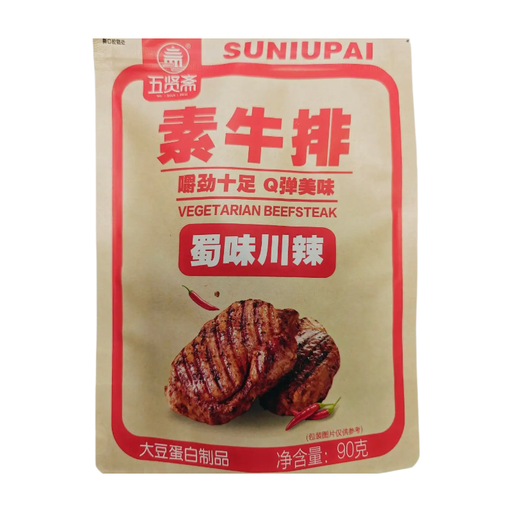
Why this fits the profile: The strips are made with soya protein and, according to the product description, have a firm bite. They’re ready to eat straight from the pack.
The product name and ingredients make it clear that this is a soya product with wheat gluten. This makes it easier to assess than relying solely on the term “vegetarian meat”.
90g, Sichuan seasoning and 28g protein per 100g according to the product information. Suitable as a savoury snack or an addition to a lunchbox.
We’ve put together a full, up-to-date list of products that fully meet these strict selection criteria and comply with current European safety regulations.
For a night in or a party, a combination of textures and flavours works well:
Don’t forget to keep allergen information visible with a mixed snack box. That way, guests can make a suitable choice themselves.
Popular choices include spicy konjac snacks, snacks with Sichuan pepper, soya-based vegetarian meat and various types of Asian crisps. The flavour and texture vary greatly from product to product. So look at the ingredients, portion size and allergens rather than just the product name.
Some konjac snacks are offered as vegetarian, but always check the product packaging. Besides konjac flour, they may contain soya, wheat, starch, chilli oil and flavour enhancers. The term “vegetarian” also says nothing about possible allergens.
Store unopened snacks according to the instructions on the packaging, usually in a cool, dry place away from direct sunlight. Seal opened bags tightly to keep them crunchy. Individual portions are practical because the rest of the pack stays sealed until the next snacking occasion.
