
Vandaag of morgen in huis

Kwaliteit gegarandeerd

Welkomstaanbiedingen ontgrendelen: GRATIS bezorging | Tot 80% korting | Gratis 30 dagen JoyPlus-proefperiode
Download de app
Ordering Asian snacks online might seem straightforward, but product packaging doesn’t always tell the full story. A bag that looks large could, for example, contain mostly air. A flavour name like “extra spicy” says little about the ingredients or the amount of chilli. And with snacks meant for sharing, it’s sometimes only after purchase that you discover they contain allergens.
With this practical selection guide, you can compare Asian snacks based on content, ingredients, origin information, allergens and when you plan to eat them. That way, you’ll find something for a quiet tea or coffee break, a party, or an introduction to Indian, Thai and Korean flavours.
Don’t just compare the number of bags – compare the net weight too. A multipack with small portions can be handy for lunchboxes or eating on the go, whereas a 200g or 250g packet is usually more sensible for a party. Also check the price per 100g if it’s available.
Taste perception varies from person to person. So check the ingredients list for chilli, pepper, ginger, tamarind, spice blends and flavour enhancers. With Thai snacks, such as biscuit sticks with crab curry flavour, the name may simply indicate the style of seasoning. With Indian snacks like namkeen, sev and bhujia, the emphasis is often on savouriness, spices and a crunchy texture.
Always read the allergen information and the full ingredients list. Many Indian snacks, for example, contain wheat, chickpeas, peanuts or sesame. Poppadoms can contain ingredients from multiple allergen groups. With prawn crackers, you need to watch out for shellfish or other fish products. Product information online can change, so always check the physical label before consuming.
For everyday snacking, smaller packets are practical because you don’t have to open a large quantity all at once. For a birthday, film night or drinks party, packets of 200g or more are often more convenient. After opening, pay attention to storage instructions: generally, keep snacks cool, dry and out of direct sunlight, and seal the packet well to help maintain their crunchy texture.
The base determines the texture and flavour profile:
Check at least three things: allergens, ingredients and nutritional values per 100g. Look out for terms like palm oil, peanut oil, sesame, milk, gluten and shellfish. A product that, according to the available product information, doesn’t contain the 14 main EU allergens isn’t automatically suitable for every individual intolerance or allergy. When in doubt, the label on the packet is what counts.
Brands may use their own product characteristics or flavour descriptions. So don’t take terms like “light”, “authentic” or “healthy” as an independent assessment. In this guide, the recommendations are based on verifiable data such as content, ingredients, portion size and product form.
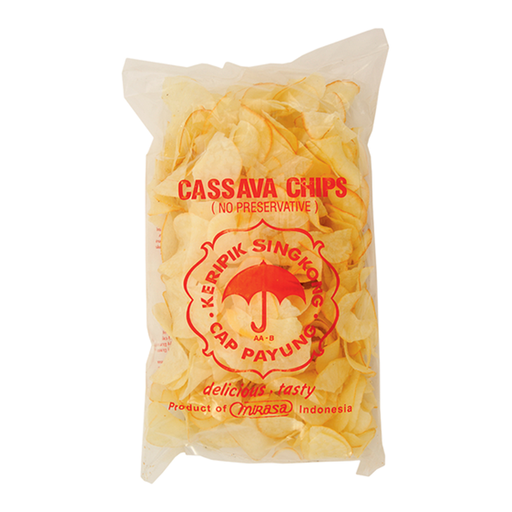
Why this fits the profile: A simple introduction to Thai and Southeast Asian snacks, with a 250g packet to share at home.
The net weight is clearly stated. The ingredients list mentions cassava, vegetable oil, salt and E621; check the current label before use.
Crunchy cassava base, 250g content and, according to the product information, none of the 14 main EU allergens.
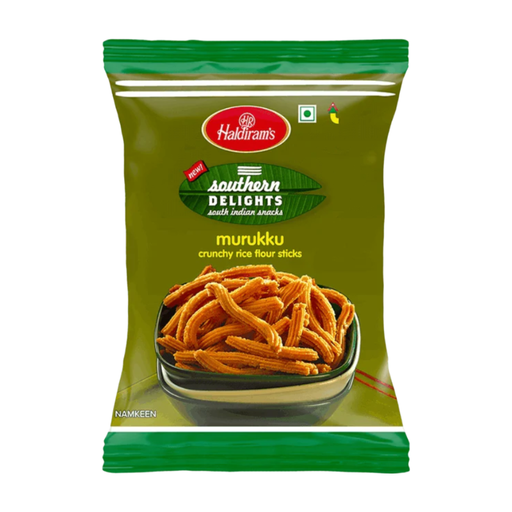
Why this fits the profile: For anyone looking for a distinctive South Asian snack with a recognisable shape and multiple types of flour in the base.
The product information states 200g, lists rice flour and wheat flour as key ingredients, and indicates gluten, sesame and chickpeas as allergens.
Spiral shape, crunchy texture and spices including cumin; suitable for tea, festive occasions or sharing.
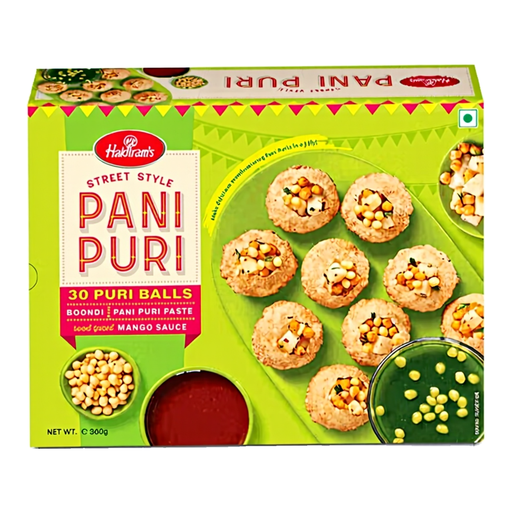
Why this fits the profile: For dinner parties and groups who don’t just want to open a bag of snacks but want to create a serving experience together.
The contents are described as a kit with puris, masala, pani, mango sauce, paste and boondi. Check the allergens before serving, including wheat, chickpea and peanut oil.
360g and multiple components for pani puri; suitable for parties, family visits and an interactive serving experience.
Other popular choices include Indian snacks such as aloo bhujia, boondi, chana dal, moong dal masala and long sev. For a sweet change, you could consider gulab jamun. If you’d rather try Korean flavours, look at roasted corn snacks or dried seaweed. Thai and Indonesian options include cassava chips, biscuit sticks with curry and kroepoek.
We’ve put together a full, up-to-date list of products that fully meet these strict selection criteria and comply with current European safety regulations.
Packets of 200g or more are practical for a table with several people. Murukku, bhujia, sev, cassava chips and pani puri offer different textures. Check allergens in advance and, if needed, put the snacks in separate bowls to limit cross-contact.
Namkeen is a broad umbrella term for savoury Indian snacks. Sev usually consists of thin, fried strands made from chickpea flour. Bhujia is often a spiced mix with potato and chickpea flour. Recipes, spiciness and texture vary by brand, so always check the ingredients list.
Store opened packets in a cool, dry place, seal them tightly straight away, and keep them away from moisture and heat. Products like kroepoek, cassava chips and sev lose their crunch more quickly if the packet is left open. Also check the best-before information on the packet.
