
Vandaag of morgen in huis

Kwaliteit gegarandeerd

Welkomstaanbiedingen ontgrendelen: GRATIS bezorging | Tot 80% korting | Gratis 30 dagen JoyPlus-proefperiode
Download de app
Buying Asian snacks online can open up a wide range of choices: from Chinese snacks and Indian snacks to Thai snacks, Turkish treats, desserts and spices from across Asia. This variety is useful, but it can also make comparing products difficult. Colourful packaging tells you little about flavour, preparation or portion size. Terms such as “authentic”, “natural” or “sugar-free” also deserve a careful check of the label.
The most common disappointing purchases come down to three points:
With the right product information, you can compare Asian treats more effectively and order Asian food online that suits the way you intend to use it.
With sweet snacks, it is often assumed that you only need to open the packaging. This applies, for example, to dried mango, nut bars, lokum and many packaged sweets. Other products are raw or intended to be used as dessert ingredients.
The Fresh ASIA Taiwanese Flavor Three-Color Taro Balls 200g, for example, are frozen and not ready to eat straight away. According to the product description, the mochi rice balls must first be prepared in boiling water. They are ready when they float to the surface; after that, they should be boiled for another one to two minutes. The Chinatown Glutinous Rice Ball Peanut & Sesame 200g must also be cooked thoroughly.
Always look out for terms such as:
Do not compare only the price of a pack, but also the price per 100 grams and the number of portions. A small bag of dried mango is easy to take with you, while a family-sized pack of Sachima or a bag of savoury snacks may be more suitable for sharing.
Also pay attention to storage:
When your order is delivered, it is particularly important to check that you have enough freezer space for frozen desserts and taro balls.
Asian snacks may contain ingredients that are not immediately obvious from the product name. Mochi rice balls, for example, may contain wheat starch. Murukku contains rice flour, wheat flour, chickpea flour, sesame and spices, among other ingredients. According to the stated ingredients list, dried mango contains sulphites.
Before buying, check:
A claim such as “sugar-free” does not automatically mean that a product is low in calories. Daoxiangcun Sachima contains sweeteners and polyols; with products like these, always read the full warning and nutritional information table.
The right choice depends on the occasion: are you looking for something to take on the go, a dessert for home, savoury snacks for guests or ingredients for a meal? Below are four practical profiles with product features that can be checked.
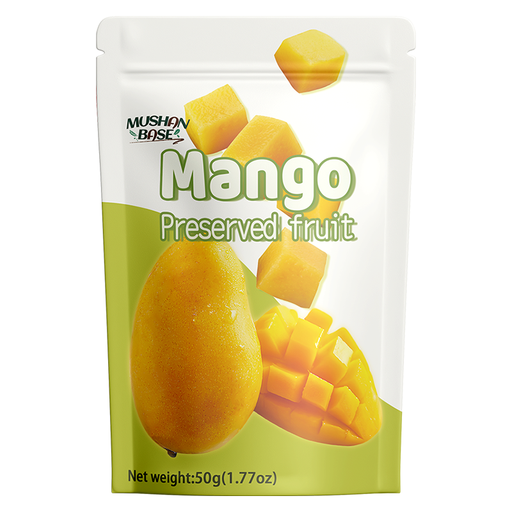
Why it suits this profile: A small pack for trying Asian treats for the first time or taking to work, school or anywhere you are heading.
The 50 g weight and “ready to eat” status make the portion size and preparation requirements clear in advance.
At least 79.5% mango, individually packaged and easy to store in a cool, dry place.
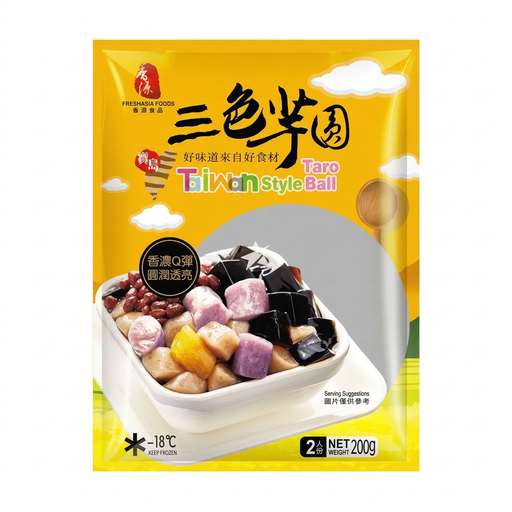
Why it suits this profile: For anyone who wants to prepare Taiwanese desserts at home using a clearly described frozen ingredient.
The preparation method, cooking time of approximately 3–5 minutes and storage temperature of -18 °C or below are stated clearly.
Three colours made with sweet potato, purple sweet potato and taro; suitable for sweet soups, tofu pudding and shaved ice.
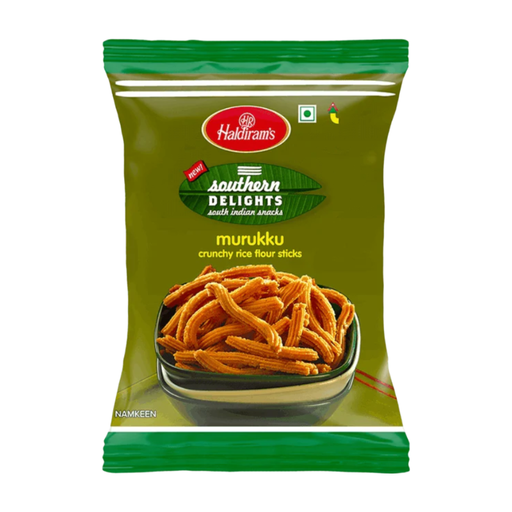
Why it suits this profile: A savoury snack for tea breaks, festive occasions or a larger bowl to share.
The packaging states 200 g and lists the ingredients and allergens, so you can match the size and contents to your gathering.
Spiral-shaped fried snack made with rice flour, wheat flour and spices; also contains sesame and chickpeas.

Why it suits this profile: Ten small individual packs make it easy to hand out treats at a children’s party, drinks gathering or film night.
The 10 individual portions prevent one large bag from quickly losing quality and hygiene after opening.
A mix of candy laces and sour strips with strawberry, apple and tutti-frutti flavours; contains wheat and gluten.
Follow this order when buying Asian snacks:
For fans of sweet snacks, Turkish treats such as Koska lokum, Chinese Sachima and Indian gulab jamun are also interesting options. If you prefer savoury flavours, consider Indian spice mixes, murukku, aloo bhujia or Thai coated peanuts. For cooking, Asian spices such as star anise from Vietnam are a practical addition to your pantry and kitchen.
We have put together a complete, up-to-date list of products that fully meet these strict selection criteria and the applicable European safety regulations.
Dried mango, nut bars, lokum, many sweet mixes, aloo bhujia and some tinned desserts are ready to eat according to the product information. Always check the label. Taro balls and filled rice balls from the freezer must be cooked thoroughly first.
Keep dry snacks cool, dry and away from direct sunlight. Seal opened packaging securely. Frozen products should be stored at -18 °C or below and, according to the stated instructions, must not be refrozen after defrosting.
Choose small individual packs, such as a sweet mix with ten bags, or larger packs of savoury snacks such as murukku and aloo bhujia. For a dessert table, you can combine mochi rice balls, taro balls or gulab jamun. Display allergen information clearly beside the serving bowl and check the packaging before serving.
