
Vandaag of morgen in huis

Kwaliteit gegarandeerd

Welkomstaanbiedingen ontgrendelen: GRATIS bezorging | Tot 80% korting | Gratis 30 dagen JoyPlus-proefperiode
Download de app
Spicy Asian snacks come in all sorts of forms, from crunchy Thai seaweed crisps and Chinese konjac snacks to savoury tofu, vegetarian meat snacks and dried fish. The wide choice makes browsing exciting, but it can also make it hard to decide. Words such as “authentic”, “high protein” or “extra spicy” on the packaging don’t always tell you exactly what to expect.
Paying attention to ingredients, nutritional values, allergens and portion size can help you avoid a disappointing purchase. Here are the main things to look out for, along with some popular options for different occasions.
The heat can come from chilli, Sichuan pepper, wasabi, Sriracha or Thai Namprik seasoning. Each has a distinct flavour:
So don’t just look at the front of the pack. Check the ingredients list too, to see which spices and flavourings have actually been used.
Spicy vegetarian snacks are often made with soya protein, wheat gluten, tofu, konjac or seaweed. They may be suitable for vegetarians, but can still contain allergens. In particular, check for:
So a product labelled “vegetarian” isn’t necessarily suitable for someone with a soya or gluten allergy.
A small pack may contain a relatively high amount of protein, but also plenty of salt or fat. Compare the nutritional values per 100g, and check the actual serving size too.
For reference, JingZai Jin Chai Deep Sea Fish Spicy Flavour lists 20g of protein per 100g. Be&Cheery Spicy and Crispy Gluten Snack also lists 20g of protein per 100g. However, the latter contains 950 milligrams of sodium per 100g. A high protein content doesn’t tell you the whole story.
Texture is a big part of whether a snack will suit your tastes:
Check the percentages listed on the pack. Wei Long Konjac Crunchy Snack, for example, contains 6% konjac flour. That doesn’t mean the product is made entirely from konjac; tapioca starch, oil, spices and other ingredients also contribute to its texture.
Individually wrapped portions are handy for snacking on the go. They also limit how much you open at a time. Wei Long Konjac Crunchy Snack comes in 20 portions of 18g, while Jin Zai Thick Dried Tofu Spicy Flavour contains five small packs.
A larger 200g bag may be better value for enjoying at home, with rice or as part of an Asian-style snack spread. Check the storage instructions after opening. Some products need to be refrigerated or eaten soon after opening.
Compare at least these values per 100g:
Also check that the allergen information is clear. Packaging terms can vary between products from different countries. The Dutch product page and the label are the best sources of information.

Why it suits this shopper: This small 80g bag has a light, crunchy texture, making it an accessible choice if you’re trying spicy Asian snacks for the first time.
The product information clearly states the 30g serving size and lists ingredients including 60% corn grits. This tells you it’s a light corn snack, not a high-protein one.
Vegetarian, with none of the 14 main EU allergens listed, and 158 kcal per stated 30g serving.
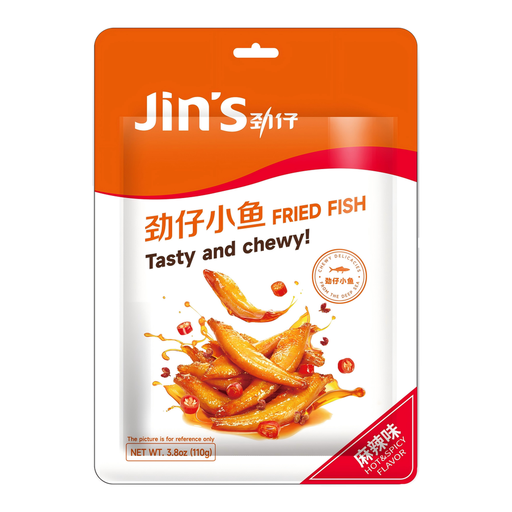
Why it suits this shopper: This ready-to-eat fish snack is made for anyone who enjoys a savoury, firm texture and a distinct fish flavour.
The product description explicitly names fish as the main ingredient and notes that it may contain soya and sesame. This helps distinguish it from a vegetarian snack.
110g pack, ready to eat and, according to the product information, 20g of protein per 100g.

Why it suits this shopper: The box contains 20 individually wrapped 18g portions, making it handy for work, travel, sharing or regular snacking.
The portions are pre-packed, and the product information lists soya and wheat as allergens. This makes it easier to assess how much to eat and whether it’s suitable for you.
360g total weight, a chewy yet crunchy texture and 114 kcal per 100g according to the product information.
We’ve put together a complete, up-to-date list of products that meet these strict selection criteria and the applicable European safety regulations.
Look for products made with konjac, tofu, soya protein, wheat gluten or seaweed. Examples include vegetarian meat snacks, tofu snacks, soya snacks and some Chinese snacks. Always check the ingredients: soy sauce, for example, may contain wheat, and a product may state that it could contain traces of other allergens.
Individually wrapped products such as Wei Long Konjac Snack, Jin Zai Thick Dried Tofu and small Thai seafood snacks are handy for taking with you. Store unopened packs according to the label, keep them away from heat and sunlight, and seal opened packs securely.
A soft konjac snack, spicy fish snack, tofu snack or seafood snack can be served alongside rice or noodles. For a crunchy addition, Gusto Wasabi Corn Puffs or TAOKAENOI Crispy Seaweed in Sriracha flavour are good choices. Just be mindful of the total salt content if you’re combining several seasoned products.
