
Vandaag of morgen in huis

Kwaliteit gegarandeerd

Welkomstaanbiedingen ontgrendelen: GRATIS bezorging | Tot 80% korting | Gratis 30 dagen JoyPlus-proefperiode
Download de app
Buying Asian snacks online can be surprisingly tricky. Packaging often features eye-catching flavour names, large multipacks and terms like “authentic” or “extra spicy”, but that information doesn’t always tell you what you’re actually getting. If you want to compare Korean snacks, Chinese snacks, Japanese snacks or Thai snacks, look beyond the front of the packet.
Three common pitfalls keep cropping up:
First, decide what you need the snack for. For a film night or party, a chips multipack or individually wrapped portions are practical. A Lay’s Cheetos Doritos Mega Box contains 20 small packets with flavours including paprika, plain and cheese. That gives you variety, but the contents of each bag are limited.
For home use or a store cupboard, packs of 160 to 300 grams make more sense. Just bear in mind that an opened bag or tube loses its crunch more quickly. A resealable pack, like some Pringles products, helps with storage. Always follow the storage instructions on the label.
Asian crisps and snacks often contain wheat, soya, milk, sesame, peanuts or egg. Check the allergen information, especially if you’re buying snacks for guests. Wei Long Spicy Stick lists wheat, soya and sesame. Koh-Kae Coconut Cream contains peanuts and wheat. The Bibigo Sesame variant contains sesame.
Even with products that have a simple flavour name, the spice blend can contain multiple components. “Barbecue”, for example, may include soya, wheat, milk derivatives or flavour enhancers. Use the product page as a first guide, but always check the current label on the packaging before eating.
Texture plays a big part in whether a snack suits the occasion:
Pay attention to the origin and description. A product from China, Korea or Thailand may offer a regionally inspired flavour, but “authentic” isn’t an objective guarantee of quality. Instead, look at the ingredients, weight, portions and manufacturer details.
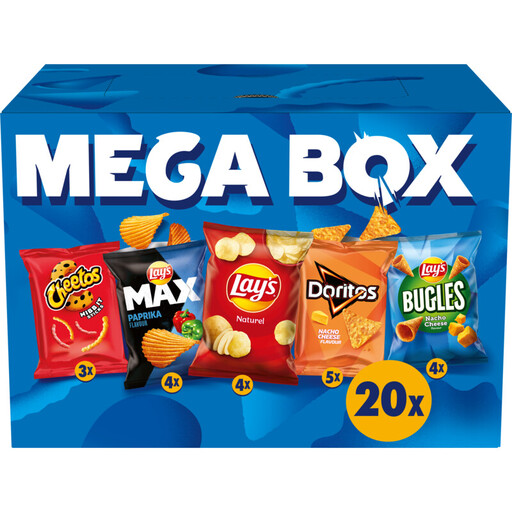
Why this suits the profile: An accessible introduction to international snacks thanks to several familiar savoury flavours in individual portions.
The variety reduces the risk of being left with a large pack of one unfamiliar flavour.
20 portions; a mix of potato crisps and corn snacks with paprika, plain and cheese flavours.
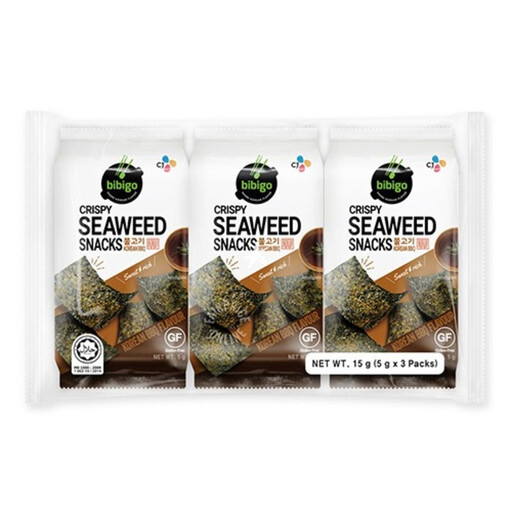
Why this suits the profile: For anyone looking for a compact Korean snack with a roasted seaweed texture and a savoury bulgogi profile.
The three small packs make portioning easier and limit loss of crispness after opening.
Pack of 3 x 15 grams; Korean origin; clearly labelled as a seaweed snack with bulgogi flavour.

Why this suits the profile: Aimed at fans of spicy snacks who want something with a chewy texture while gaming, at a gathering or on the go.
The product description clearly mentions wheat gluten sticks and a spicy seasoning layer, so you can judge the unusual texture in advance.
106 grams; ready to eat; contains wheat, soya and sesame as clearly listed allergens.
A snack box with international snacks works best when you combine different textures. For example, choose:
For a Dutch-style drinks party, individually wrapped snacks are practical and hygienic to share. For home, you can choose larger packs, but seal them well after opening and store them in a cool, dry place. Check the best-before date on the packaging; it can vary by product and delivery.
We’ve put together a full, up-to-date list of products that fully meet these strict selection criteria and comply with current European safety regulations.
A multipack with several flavours is practical if you don’t yet know which direction your preference lies. If you’d rather try small portions, you can go for Bibigo seaweed or Kimnori seaweed. For a more distinctive experience, Chinese spicy wheat gluten sticks or Thai durian seaweed rolls are an option.
Store crisps and crackers in a dry place, away from heat and direct sunlight. Seal the packaging as tightly as possible. It’s best to eat small seaweed packs straight after opening, as moisture quickly affects the crispy texture.
Always read the allergen information on the current label. Many international snacks contain wheat, soya, milk, sesame or peanuts. If in doubt, don’t use a product whose ingredients or warnings aren’t clear.
