
Vandaag of morgen in huis

Kwaliteit gegarandeerd

Welkomstaanbiedingen ontgrendelen: GRATIS bezorging | Tot 80% korting | Gratis 30 dagen JoyPlus-proefperiode
Download de app
Buying Asian snacks seems straightforward – until you open a bag and discover the contents are much smaller than expected, the flavour is too salty, or a particular allergen is listed in the ingredients. With Chinese snacks and other snacks from China especially, the texture, seasoning and portion size can vary enormously from product to product.
So don’t just rely on words like “authentic”, “premium” or “extra spicy”. Those descriptions don’t tell you much without verifiable information on the label. With these points in mind, you can compare Asian snacks in a practical way.
With spicy Asian snacks, chilli can overpower the other flavours. In mala snacks, Sichuan pepper is often added, which according to the product description gives a tingling or numbing sensation in the mouth. That’s quite different from just extra chilli.
So look at the full seasoning. Ingredients such as Sichuan pepper, star anise, cumin, fennel, ginger or seaweed give a much better idea of the flavour profile than the front of the packet.
A 140g or 180g pack can be suitable for sharing, but a 60g to 85g bag is more convenient for one person or for eating on the go. Also check whether the pack contains multiple smaller bags. The Bestore Chewy Tofu Snack, for example, contains 128g split across 7 sachets. That makes portioning much easier than with one large bag once it’s been opened.
After opening, pay attention to the storage instructions. Roasted beans and rice snacks lose their crunch if the bag isn’t resealed properly. Tofu snacks may need to be refrigerated after opening or consumed quickly, according to the product information.
A tofu snack is made from soya, but it can also contain wheat through soy sauce. A broad bean snack may be free from soya, but could still contain sweeteners or flavour enhancers. So always check:
Under EU regulations, the fourteen mandatory allergens must be clearly stated when they are present. The packaging remains the definitive source, as product information can change.
Choose based on when you’ll be eating. Roasted beans and seasoned broad beans are usually dry, crunchy and ready to eat. They work well with a drink, in a lunchbox or as a snack on the go. Tofu snacks are often firmer or chewy and offer a different eating experience.
The FENGHEJU Xiangling Soybean Roll is described as having a crunchy texture with a seaweed flavour. The HAO BA SHI Nanxi Tofu Snack, on the other hand, has a firm texture and is seasoned with chilli and Sichuan pepper.
Always compare nutritional values per 100g, not just per bag. For example, the KouShuiWa Broad Bean Spicy Flavour contains 13.9g of salt per 100g according to the product information. That’s a significant difference compared to products with a lower salt content. The Gingerbon Ginger Peppermint Bonbons contain 65g of sugar per 100g according to the stated values.
This doesn’t mean a product is automatically unsuitable. It does help you to choose portions wisely and to vary your snacks. A small pack can be practical when you don’t want to keep the same snack for several days.
For fans of vegetarian snacks, beans, tofu, chickpeas and nuts are interesting categories. Do watch out for phrases like “may contain traces”. The WANT WANT Red Bean Milk Candy lists soya and milk as allergens. The Bon Appétit Party Mix contains soya and peanuts according to the product information, and may contain traces of nuts.
If you avoid gluten, you need to be especially careful about wheat in soy sauce, wheat flour or seasonings. The HAO BA SHI Nanxi Tofu Snack contains soya and gluten from wheat. The Wu La Ma Lanhua Dried Tofu Snack also lists soya and wheat.
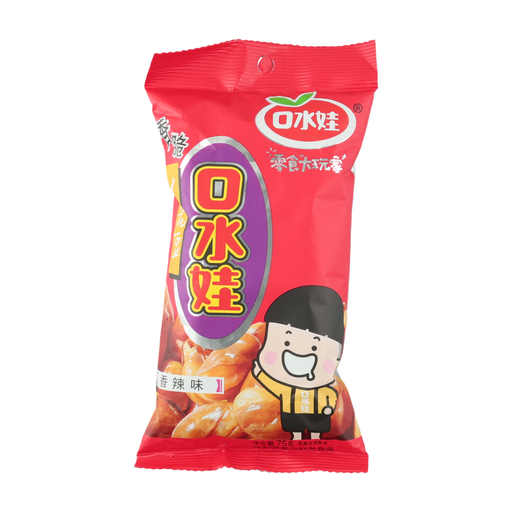
Why this fits the profile: The 75g size is a manageable introduction to spicy roasted beans or snacks from China.
The portion size is clearly stated and the product is ready to eat. Do check the stated high salt content of 13.9g per 100g.
75g, crunchy broad beans, spicy seasoning and a resealable pack according to the product description.

Why this fits the profile: The combination of chewy texture, mala seasoning and seven sachets offers more variety than a standard bag of snacks.
The total quantity and number of sachets are clearly stated. Soya is listed as an allergen; check the label if you have an allergy.
12g protein and 209 kcal per 100g according to the product information, plus portion control with seven sachets.
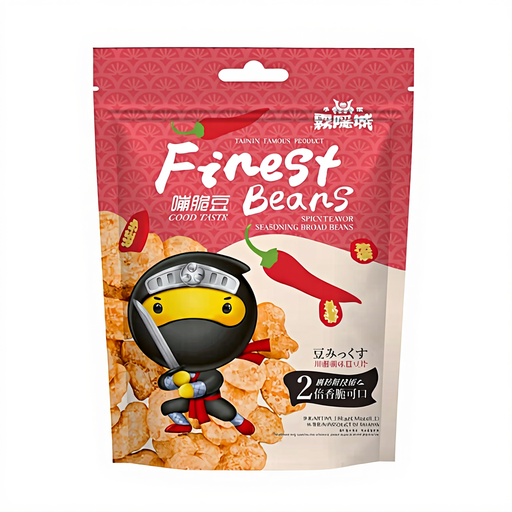
Why this fits the profile: The larger pack is ideal for the cupboard, shared snacking or regular use at the office.
The net weight and nutritional values are stated. Seal the bag well to keep the crunchy texture.
140g, 25g protein per 100g according to the product information and a seasoning with chilli and spices.
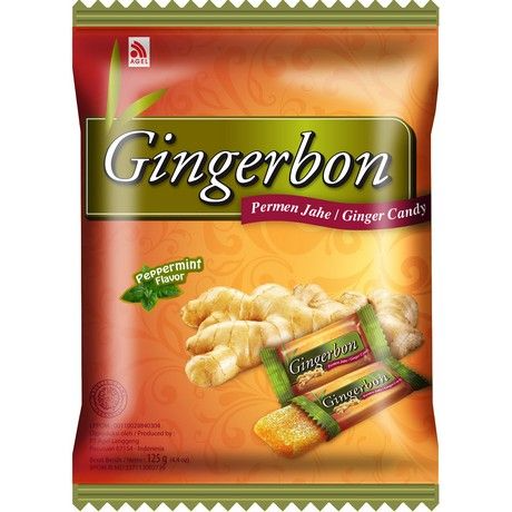
Why this fits the profile: These Indonesian ginger sweets combine ginger with mint and are compact enough to take on the go.
The flavour direction is clear: sweet, ginger and mint. Don’t expect a savoury snack; the product information states 65g of sugar per 100g.
125g, 7.4% ginger according to the ingredients list and none of the fourteen main EU allergens listed in the product information provided.
We’ve put together a full, up-to-date list of products that fully meet these strict selection criteria and comply with current European safety regulations.
Small, ready-to-eat packs are the most practical. Think ginger sweets, a 75g bag of seasoned broad beans or individually wrapped tofu snacks. Check whether the pack is resealable and store the product according to the label.
Not automatically. Tofu and bean snacks are often plant-based at their core, but seasonings can contain soya, wheat or other ingredients. Also check composite products like party mixes. The current ingredients list determines whether a product fits a vegetarian diet.
Store dry snacks in a cool, dry place away from direct sunlight. Seal opened bags well to keep them crunchy. Some tofu snacks need to be consumed quickly after opening or stored in the fridge. Always follow the storage instructions on the packaging.
