
Vandaag of morgen in huis

Kwaliteit gegarandeerd

Welkomstaanbiedingen ontgrendelen: GRATIS bezorging | Tot 80% korting | Gratis 30 dagen JoyPlus-proefperiode
Download de app
Asian snacks come in many forms: from Chinese snacks and sweet buns to Japanese rice crackers, mochi, bao buns and frozen dim sum. This wide range makes choosing interesting, but also tricky. A nice-looking packet tells you little about the amount of filling, the preparation method or the shelf life.
So pay particular attention to these common pitfalls:
For home use, the preparation method is an important practical consideration. Products such as mochi, biscuits and some sweet Chinese buns are usually ready to eat. Other products are frozen and need to be steamed or baked.
For example:
Also check whether a microwave recommendation is only intended to improve the texture. With a soft red bean bun, 15 seconds of heating can make the flavour more pleasant, but that doesn’t mean the product still needs to be cooked through.
Frozen products must be stored at -18 °C or below. If you defrost a product, do not refreeze it. Before buying, check that you have enough freezer space and plan your use around the best-before date.
For ambient snacks, the general rule is: store them in a dry, cool place away from direct sunlight. Seal an opened bag of rice crackers or pastries well to keep them crunchy. Some products state a shorter use-by period after opening. Always follow the date and instructions on the packet.
Many Asian snacks contain wheat, soya, milk, egg or sesame. This applies to bao buns, sweet buns, sesame balls and rice crackers with soy sauce powder, among others. Check the allergen information carefully, even if a product looks simple at first glance.
Also compare the nutritional values per 100 grams. This is more practical than just looking at the packet size. For example, Want Want Senbei contains 493 kcal and 1.88 grams of salt per 100 grams according to the product information. The Daoxiangcun millet pancake with turkey flavour lists 466 kcal and 2.2 grams of salt per 100 grams. If you’re mainly looking for a light snack to have with tea, you can make a more targeted choice based on this.
The following selection is based on verifiable data such as packaging, ingredients, weight, storage and preparation method. Brand descriptions about authenticity or product quality have not been used as independent evidence of performance or taste.
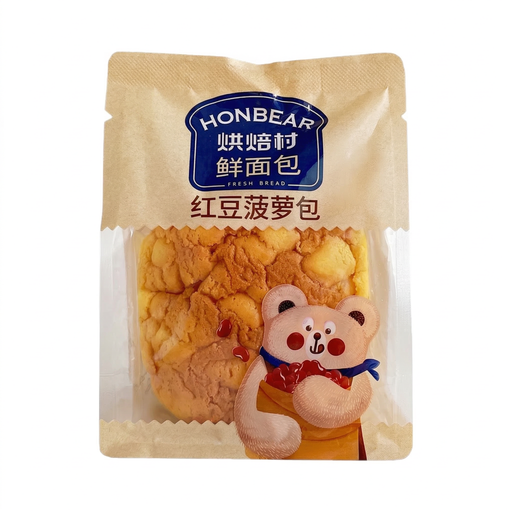
Why this fits the profile: An individually wrapped 85-gram bun for breakfast, a tea-time treat or a small snack without having to stock up on large quantities.
The product information states a red bean filling of at least 37% and clearly indicates that the bun is ready to eat. Heating for 15 seconds is optional.
85 grams per piece, ambient storage and a combination of a crispy crust with a soft filling according to the product description.
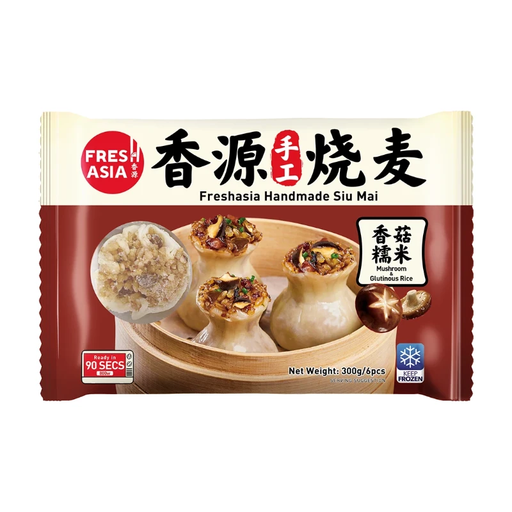
Why this fits the profile: Ideal for anyone looking for a savoury dim sum experience and who pays attention to filling, preparation and serving options.
The packaging states that the product is frozen, must not be refrozen and needs to be fully heated. The ingredients list includes, among other things, 6% mushroom.
300 grams, steam from frozen and serve with soy sauce, chilli oil or black vinegar according to the usage instructions.
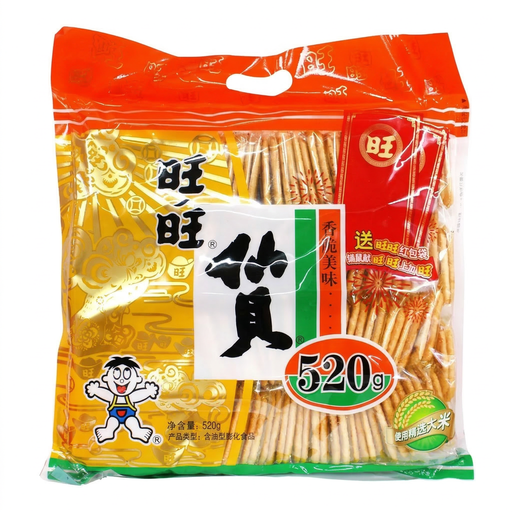
Why this fits the profile: A large supply for households, workplaces or parties where several people want to share a crunchy snack.
The packaging states 520 grams and 88 individual packets. This makes it clear upfront that it’s a multi-pack and not a small trial bag.
Ready to eat, rice content of at least 60% according to the ingredient information and individually wrapped for sharing.
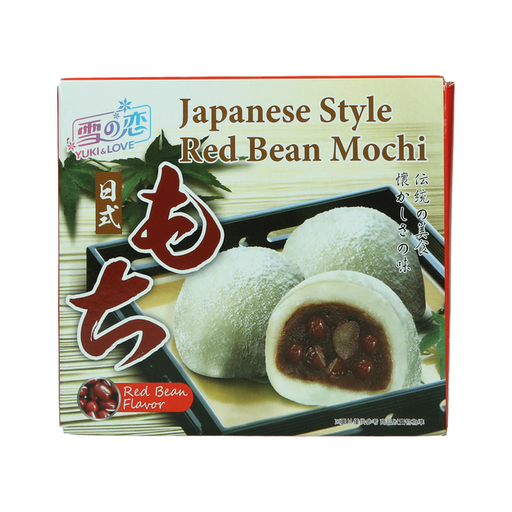
Why this fits the profile: A compact sweet snack for coffee, tea or dessert, made with glutinous rice dough and red bean paste.
The product information states 27% red bean paste and lists soya as an allergen. This allows you to check the filling and suitability in advance.
140 grams, ready to eat and a soft, chewy texture that is characteristic of mochi products.
We’ve put together a full, up-to-date list of products that fully meet these strict selection criteria and comply with current European safety regulations.
Use this short checklist when comparing Chinese pastries, savoury Asian snacks or frozen dim sum:
For a quick snack, mochi, rice crackers and individually wrapped buns are practical. For a light meal, bao buns, siu mai and other dim sum are a better fit. If you’re looking for authentic Asian treats for guests, you can combine sweet and savoury options: for example, sesame balls with red bean alongside savoury buns or Japanese rice crackers.
Choose products that are easy to share and require little preparation. Individually wrapped rice crackers, biscuit rolls and small Chinese pastries are ready to serve. For a hot option, frozen dim sum, siu mai and bao buns are suitable, as long as you have enough steaming space and time for preparation.
This varies by product. Ambient buns, mochi and biscuits should be stored according to the packet instructions in a dry, cool place. Frozen products must be kept at -18 °C or below and must not be refrozen after defrosting. Once opened, the shelf life may be shorter, especially for crunchy snacks.
No. The range spans from sweet Chinese buns with red bean or custard to savoury bao buns, siu mai and rice crackers with soy sauce. Check the flavour description, filling and nutritional information to determine whether a product is better suited to breakfast, drinks, tea or a quick meal.
