
Vandaag of morgen in huis

Kwaliteit gegarandeerd

Welkomstaanbiedingen ontgrendelen: GRATIS bezorging | Tot 80% korting | Gratis 30 dagen JoyPlus-proefperiode
Download de app
Are you searching for unique Asian snacks that you can't find in a regular supermarket? The online world of Chinese snacks and Japanese sweets is vast, but it can also be a minefield. Sometimes, a purchase ends in disappointment due to vague promises or products that have lost their freshness. As a Joybuy Product Recommendation Officer, I'll help you make the right choices so you know exactly what you're buying.
Before you fill your shopping cart, it's wise to be aware of a few common pitfalls:
To avoid disappointment, there are a few objective specifications you can always check. These details provide a much better picture of the quality than marketing claims.
A reliable manufacturer is transparent about its product's composition. Look beyond the front of the packaging and search for the Quantitative Ingredient Declaration (QUID). This is a list with percentages.
The packaging is not just a wrapper; it's a guarantee of freshness and convenience. Individually wrapped portions are often a smart choice. Here's why:
Asian pastries, which can quickly lose their texture.on-the-go snacks. You can easily put a few in your bag without making a mess.A long shelf life might seem like an advantage, but it can also indicate a significant amount of preservatives. A product with a shorter shelf life, for example 90 or 120 days, is often fresher and retains a better flavour and texture. Always check the product page for this information.
Based on these objective criteria, we have selected a number of popular choices that suit different preferences.
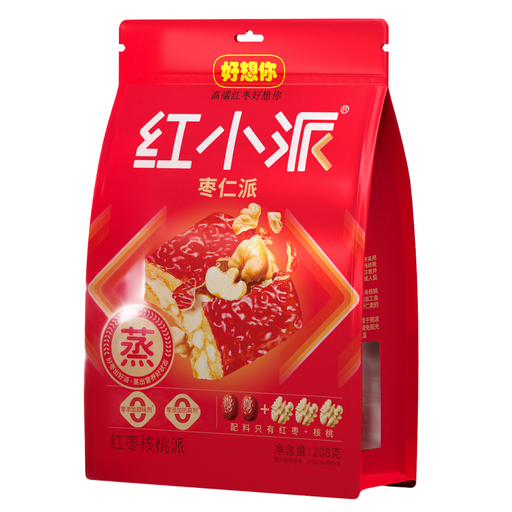
Why This Fits Their Persona: Ideal for those seeking a pure, nutritious, no-fuss snack. The combination of dates and walnuts delivers a natural sweetness and a satisfying bite, perfect for an energy boost.
This product avoids the "natural flavour" trap with an extremely simple ingredient list: 75% dates and 25% walnuts. There are no added sugars or syrups.
The flavour is pure and unprocessed. The texture is a pleasant mix of soft, chewy, and crunchy. Individually wrapped for freshness and convenience.
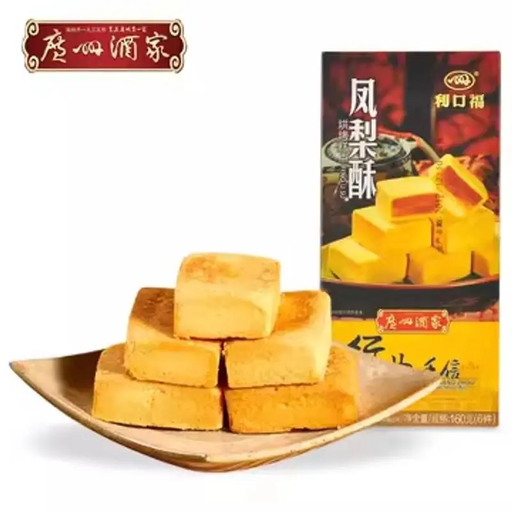
Why This Fits Their Persona: For those who want to experience the authentic taste of a Cantonese bakery. This pineapple cake is a classic, ideal with tea or as a special treat.
This product comes from Guangzhou Restaurant, a renowned Chinese brand. This offers a certain guarantee of a traditional recipe. The individual packaging avoids the "freshness lottery."
A classic combination of a crumbly, buttery crust with a sweet and sour pineapple filling. The texture and flavour are exactly what you would expect from a traditional pineapple cake.
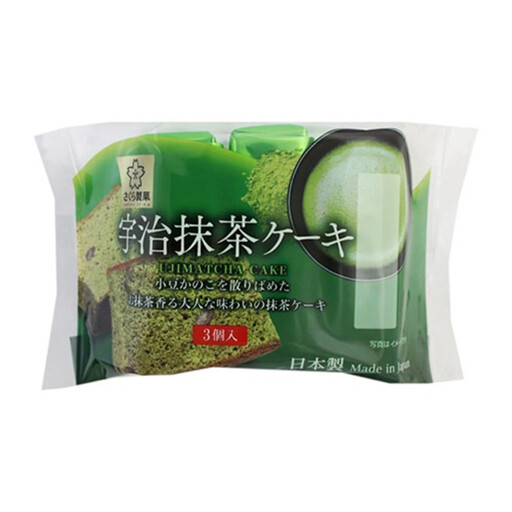
Why This Fits Their Persona: For those who want to try the popular matcha trend with a quality product. This matcha cake is a refined example of Japanese sweets.
The product specifies the use of Uji matcha, a high-quality matcha from Japan. This avoids the pitfall of a generic, vague "matcha flavour" that is often too sweet or bitter.
Offers a rich, deep, and authentic matcha flavour in a soft, fluffy cake. The storage advice (keep refrigerated) indicates a focus on freshness and a delicate structure.
We have compiled a complete, real-time list of products that fully satisfy these strict selection criteria and UK safety regulations.
Pay attention to the shelf life information on the product page. A shorter shelf life (e.g., 90-120 days) can indicate fewer preservatives and a fresher product. Additionally, individual packaging helps to guarantee the freshness of each portion, even after the main bag has been opened.
Yes, there are distinct differences in flavour profile and texture. Chinese snacks, such as date-walnut cakes or hawthorn cakes, often use dried fruits and nuts as a base. The focus is on natural sweetness and a firm, sometimes chewy texture. Japanese sweets (also known as wagashi) are often more refined and subtle in flavour. Ingredients like matcha, red bean paste (anko), and glutinous rice (mochi) create a soft, delicate texture.
Always check the full ingredient list on the product page. Common allergens in Asian pastries include wheat (gluten), eggs, milk, soy, nuts (especially peanuts and walnuts), and sesame. According to EU guidelines, online shops are required to clearly state allergen information. When in doubt, don't take the risk.
