
Vandaag of morgen in huis

Kwaliteit gegarandeerd

Welkomstaanbiedingen ontgrendelen: GRATIS bezorging | Tot 80% korting | Gratis 30 dagen JoyPlus-proefperiode
Download de app
Buying Asian snacks seems simple, but online you’ll often find small packs, eye-catching claims and flavours that are hard to compare. A bag of Japanese biscuits, for example, may contain a lot of air, while an appealing product won’t necessarily suit your taste or the occasion. When buying mochi, texture, filling and allergens matter more than the packaging alone.
As a Joybuy Product Recommendation Officer, I focus on the practical details in product information. Below, you’ll find what to look for in Japanese snacks, Asian biscuits, matcha snacks, chocolate snacks and savoury options.
A 16.5 or 36-gram portion can be handy when you’re out and about, but it’s less suitable for sharing with several people. Always check the net weight and see whether the pack contains individual portions. A 180 or 210-gram product is more practical for a family or a snack to share with visitors.
Words such as ‘matcha’, ‘milk’, ‘strawberry’ or ‘cheese’ don’t always indicate how much of that ingredient a product contains. Check the ingredients list and the order in which the ingredients appear. Those listed first generally make up a larger proportion of the product. For matcha snacks, it’s also worth checking whether matcha is actually listed, or whether only a flavouring is mentioned.
Japanese biscuits and other Asian treats often contain wheat, milk, soya, egg, sesame or nuts. Check the label before buying, especially if you have a food allergy. Pay attention to storage instructions too. Mochi can dry out more quickly once opened, while biscuits lose their crisp texture if the packaging isn’t sealed properly.
Choose the pack size based on when you plan to eat the snack:
This helps you avoid paying mostly for the packaging. A small pack can still be good value if you want to try a new flavour first.
When choosing Asian biscuits, texture is often key. If you’re after something crisp, look for biscuits, wafers or cookies. If you prefer soft, chewy treats, mochi may be worth considering. The Bamboo House varieties include glutinous rice flour and have a soft outer layer with a double filling.
Look out for ingredients that matter to you, such as palm oil, milk powder, gelatine, colourings and preservatives. A product description may mention a particular feature, but always check the current packaging. According to the product information, some snacks don’t list artificial colouring; this isn’t a general quality guarantee for the whole category.
Nutritional values are usually shown per 100 grams. This makes products easier to compare, but doesn’t tell you how much you’ll actually eat. A 36-gram pack of Meiji Chocorooms, for example, is a different portion from a 160-gram bag of biscuits.
Pay particular attention to:
The presence of a nutrient in the product information isn’t a medical claim. Use it only to compare products with one another.
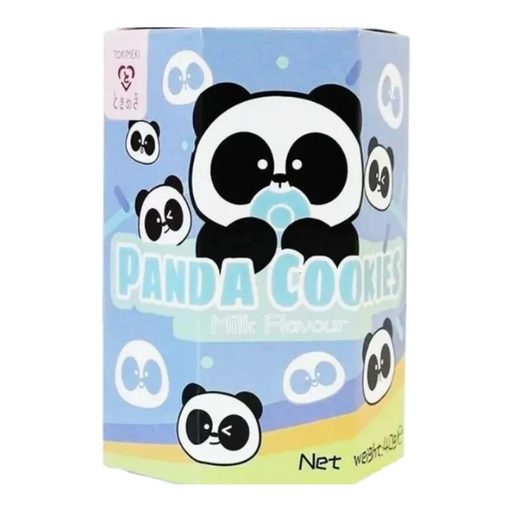
Why it suits this shopper: The 40-gram pack is a manageable size if you’re trying Japanese biscuits for the first time, or looking for a small snack for school, work or when you’re out and about.
The net weight and product type are clearly stated, so you won’t mistake a small sample pack for a sharing pack.
40 grams, a milky flavour according to the product description, and a crisp biscuit texture. The ingredients include wheat and milk.
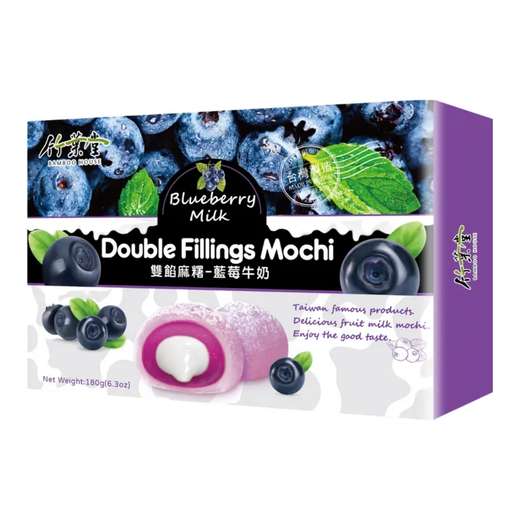
Why it suits this shopper: If you care more about texture and layers, this mochi has a soft glutinous rice layer with a fruity, creamy filling.
The product is sold as a 180-gram pack, and the description explicitly mentions the double filling. Do check the allergens before buying, though: milk and egg are listed.
180 grams, made in Taiwan according to the product information, with blueberry and milk components and a soft, chewy texture.
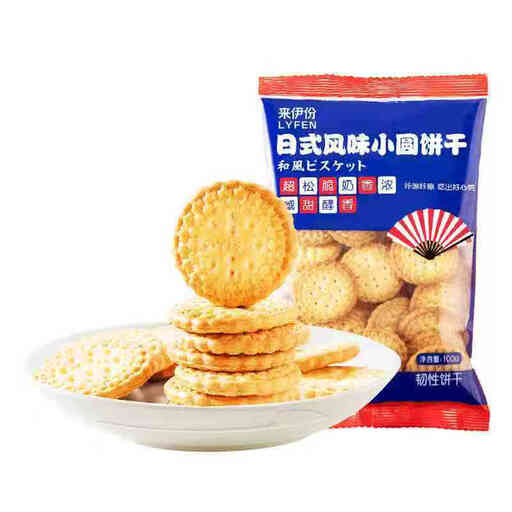
Why it suits this shopper: The 100-gram bag and individual wrapping make it practical for the office, a study space or a longer journey.
The product information gives both the pack size and storage advice for after opening. This can help you keep the biscuits crisp.
A combination of milky and salty flavours, individual portions, and listed allergens such as wheat, soya and milk. The product originates from China.
We’ve put together a complete, up-to-date list of products that meet these strict selection criteria and the applicable European safety requirements.
For chocolate snack fans, Meito Pukupukutai Chocolate Wafer and Meiji Strawberry Chocorooms are compact options. If you’re after Japanese sweets with a familiar matcha flavour, the Nestlé KitKat Wafer Bar Rich Matcha is available in a pack of ten. Always check the current ingredients list and allergens on the packaging for products like these.
For a savoury option, you’ll find rice crackers, salty biscuits and snacks made with seaweed or fish. The 52-gram TARO Fish Snack Savory lists fish, egg, soya and wheat among its relevant ingredients or allergens. The nutritional information gives a 52-gram portion per pack. This makes it easier to compare sweet and savoury Asian snacks.
You can search online by flavour, origin, texture and pack size. Before checking out, make sure to check the net weight, ingredients, allergens, shelf life and storage instructions. This lets you compare products using information you can verify, rather than relying on pictures or marketing copy alone.
Always check the packaging for the exact date. Store mochi and biscuits as instructed, usually somewhere cool and dry, away from direct sunlight. Seal opened biscuits properly. It’s best to eat mochi soon after opening, as the outer layer can dry out.
Packs of around 90 grams or more are often easier to share. Individually wrapped products, such as some biscuits and mochi, are practical for the office, a party or a snack table. Do check that all your guests can eat the listed allergens.
