
Vandaag of morgen in huis

Kwaliteit gegarandeerd

Welkomstaanbiedingen ontgrendelen: GRATIS bezorging | Tot 80% korting | Gratis 30 dagen JoyPlus-proefperiode
Download de app
If you’re looking to buy Asian snacks and ingredients, you’ll soon find a wide selection, from Chinese snacks and plum snacks to dried mango, tropical fruit, taro and frozen vegetables. But eye-catching packaging tells you little about what you’ll actually get. Portion size, the ingredients list and storage conditions often matter more than the product photo.
Use this practical guide to compare products based on information you can check, and choose something that suits your household, cooking style and budget.
A 70 or 90 gram bag may seem attractively priced, but dried fruit and snacks are often relatively high in sugar, salt or oil per 100 grams. So always compare the net weight and nutritional values per 100 grams. This helps you avoid paying more for a small pack than you would for a larger one.
Some snacks are made mostly from fruit or vegetables, but also contain sugar, palm oil, flavourings or preservatives. One example is a mix of dried vegetables and fruit with purple sweet potato, banana, taro, apple, peas and carrot. It may be a perfectly good choice for a snack, but it’s not the same as plain dried fruit.
Frozen fruit and vegetables must stay frozen until you’re ready to use them. If a product thaws in transit or at home, its texture will change, and refreezing is generally not recommended. So check the packaging when your order arrives and put the product away straight away at the temperature shown on the label.
Start with the ingredients list. Ingredients are listed in descending order by quantity. For a lotus root snack, for example, it’s useful to know how much lotus root it actually contains. According to the product information, Shimoxiaozhen Lotus Root Slices contain at least 80% lotus root, as well as palm oil, salt, sugar, chilli and flavour enhancers.
Check the allergen information too. Sulphites are found in some products containing dried mango, plum or sweet potato. Sulphites are explicitly listed for Jiajianchengchu Dried Mango Thai Flavour. If you’re sensitive to an allergen, it’s wise to check both the product page and the label when your order arrives.
For families, it’s also important to distinguish between regular snacks and baby food from 6 months. According to the product information, Olvarit Fruit Snack is suitable from 6 months, but always follow the age guidance, storage advice and preparation instructions on the packaging.
Choose the product type to suit how you plan to use it:
A small snack bag is handy for one person, while an 500 gram or 800 gram pack is better suited to families or frequent cooking. For frozen products, also check whether you can prepare them straight from the freezer. For example, TCT Taro Chunks 800 g states that the pieces can be boiled, steamed or added to soup straight from frozen.
For pickled or preserved products, salt content is an important point of comparison. The nutritional information for Shimoxiaozhen Lotus Root Slices lists 1.8 grams of salt per 100 grams. According to the product information, Royal Green Peppers contains 4.6 grams of salt per 100 grams. That difference is worth bearing in mind if you’re serving several side dishes.
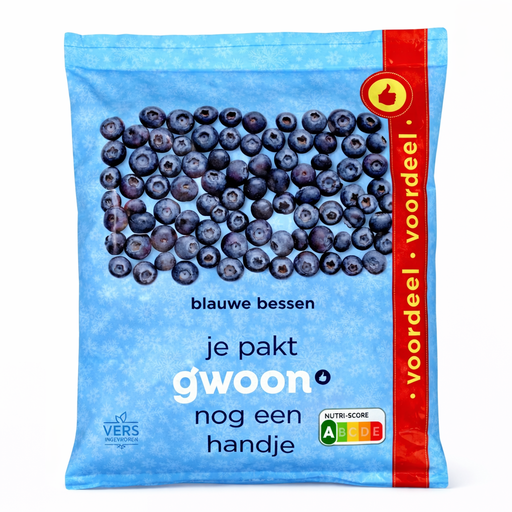
Why it suits this shopper: A generous pack for breakfast, smoothies and desserts, with no long ingredients list.
The product information lists blueberries as the ingredient, with no extra flavourings or added ingredients.
750 grams; frozen; none of the 14 main EU allergens listed.
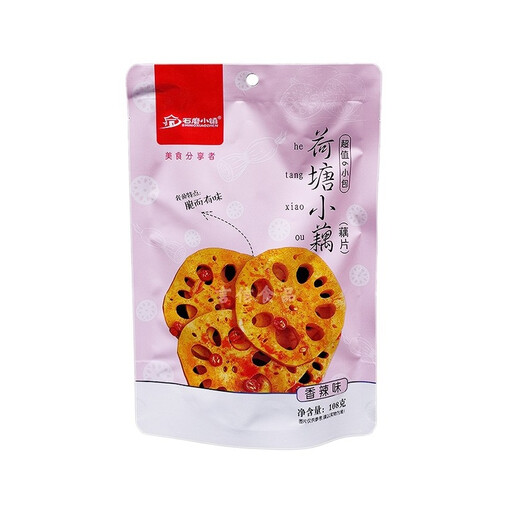
Why it suits this shopper: For anyone looking for a ready-to-eat Chinese snack with a distinctive spicy flavour.
The product information gives the percentage of lotus root, net weight, salt content and presence of the colour E110.
108 grams; ready to eat; at least 80% lotus root according to the product description.
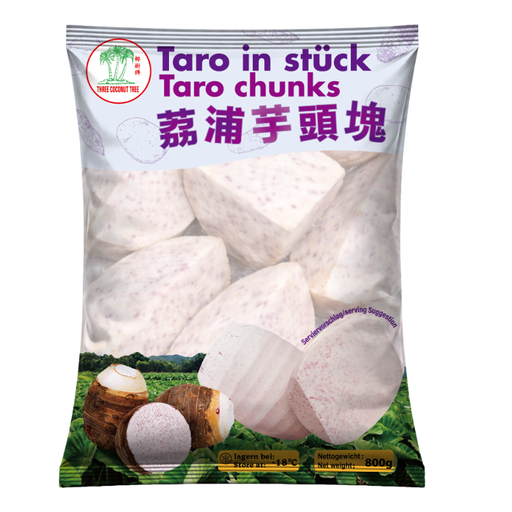
Why it suits this shopper: For home cooks who regularly make Asian dishes, soups or steamed side dishes.
The packaging states that the product must be kept frozen and heated thoroughly before consumption.
100% taro according to the product information; 800 grams; cook straight from frozen.
We’ve put together a complete, up-to-date list of products that meet these strict selection criteria and current European safety regulations.
When ordering online, look for a clear ingredients list, net weight, allergen information and storage conditions. Joybuy offers Chinese snacks, dried fruit, frozen fruit, frozen vegetables and ingredients such as taro and purple yam.
Store frozen products at the temperature shown on the packaging, usually around -18 °C. Put them in the freezer as soon as possible after they arrive. Once thawed, keep them chilled and follow the storage time given on the label. Don’t refreeze a thawed product unless the packaging explicitly says you can.
That depends on the child’s age, the ingredients and any allergens. Check the sugar, salt, sulphites, sweeteners and texture. Products specifically labelled as baby food from 6 months are intended for a different use than regular dried mango or Chinese snacks. Always follow the packaging information for baby food.
