
Vandaag of morgen in huis

Kwaliteit gegarandeerd

Welkomstaanbiedingen ontgrendelen: GRATIS bezorging | Tot 80% korting | Gratis 30 dagen JoyPlus-proefperiode
Download de app
As a Joybuy Product Recommendation Officer, I see countless international products every day. The world of Asian snacks is vast and enticing, but it can also be a maze. The colourful packaging promises unique flavours, but the reality can sometimes be a disappointment. You're not alone if you've ever opened a bag to find something completely different than what you expected.
Before you fill your online shopping cart, it's wise to consider a few key points. Common pitfalls include:
This guide will help you make more informed choices, so you can find exactly what you're looking for and fully enjoy your international groceries.
To avoid disappointment, it's best to focus on a few specific product characteristics rather than just the packaging.
The ingredient list is your most important tool. Pay attention not only to allergens but also to the order of the ingredients. If sugar or salt is listed first, it's the main component. With dried fruit, like plums, liquorice or salt is often added for a more complex flavour. Also, look for specific flavourings. Terms like "Uji-Matcha," for example, indicate a specific, high-quality green tea from Japan, which is a sign of authentic flavour. Also, check for additives like SULPHUR DIOXIDE, a preservative often used in dried fruit.
Texture is an essential part of the Asian snack experience. Manufacturers often use specific terms to describe it:
By paying attention to these terms, you'll have a better idea of what to expect and can avoid any texture disappointment.
Below are a few popular choices, matched to different preferences.
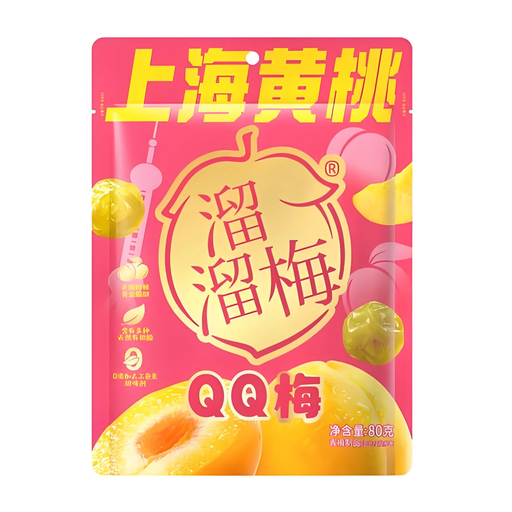
Why This Fits Their Persona: Perfect for those who love discovering new textures. This snack combines the sweet and sour taste of green plum with peach and has the unique, bouncy 'QQ' texture that offers a fun eating experience.
The product name explicitly mentions the QQ texture, so you know exactly what to expect in terms of mouthfeel, preventing any texture disappointment.
Individually wrapped, making it easy to carry and hygienic. The combination of plum and peach creates a unique flavour profile.
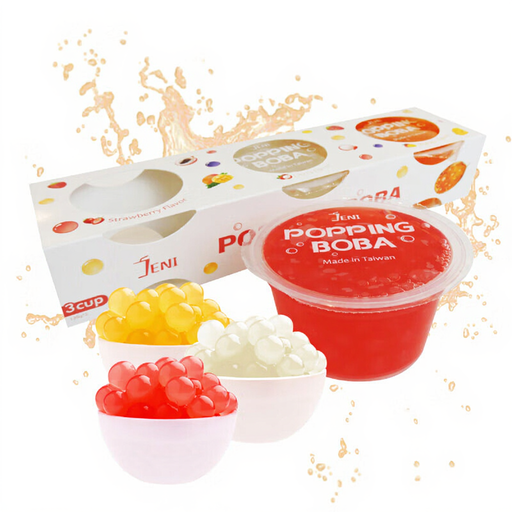
Why This Fits Their Persona: Ideal for those who want to get hands-on with making their own bubble tea, desserts, yoghurt, or cocktails. This combo pack offers three flavours (strawberry, mango, lychee) to experiment with. A popular choice for anyone considering buying popping boba.
You are in complete control of the final result. By adding the boba to your own creations, you control the sweetness and ingredients, avoiding the pitfall of a ready-made product that is too sweet.
Versatile enough to be used as an alternative to cake fillings and baking mixes. The three-flavour combo pack offers variety and is perfect for sharing or using in different recipes.
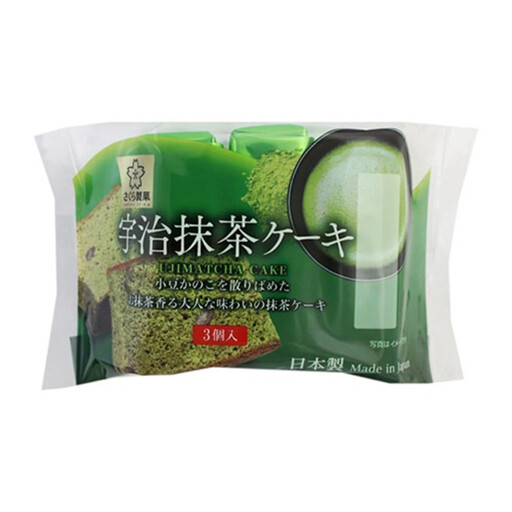
Why This Fits Their Persona: For those who love soft, cake-like textures and the refined taste of Japanese delicacies. This cake offers an authentic matcha experience without being overpowering.
This product avoids the 'flavour surprise'. The term Uji-Matcha is a mark of quality and promises a rich, authentic green tea flavour—exactly what an enthusiast would expect.
The cake has a soft texture and is packed in three individual portions, which is convenient for a snack without the rest going stale.
We have compiled a complete, up-to-date list of products that meet these selection criteria and current regulations.
Most dry snacks like biscuits, crackers, and dried fruit are best stored in an airtight container in a cool, dry place. Soft snacks like mochi or cakes often need to be refrigerated after opening and consumed quickly. Always check the storage instructions on the packaging.
'QQ' is a term primarily used in East Asia to describe a specific texture: bouncy, soft, and pleasantly chewy. It is a sought-after quality in products like tapioca pearls (boba), certain types of noodles, and candy. If you enjoy gummy bears or the texture of mochi, there's a good chance you'll appreciate 'QQ' as well.
This varies greatly by product. Many snacks are made with wheat flour and therefore contain gluten. However, there are also many options based on rice flour, such as mochi or certain rice crackers, which can be naturally gluten-free. It is crucial to always read the allergen information on the packaging carefully before buying. Within the EU, brands are required to clearly list the 14 major allergens.
