
Vandaag of morgen in huis

Kwaliteit gegarandeerd

Welkomstaanbiedingen ontgrendelen: GRATIS bezorging | Tot 80% korting | Gratis 30 dagen JoyPlus-proefperiode
Download de app
Asian snacks and biscuits are popular in the Netherlands, from Japanese biscuits and matcha biscuits to red bean bread, sponge cake and savoury crackers. But eye-catching packaging doesn’t always tell you enough about the flavour, size or convenience. A small pack, for example, may be relatively expensive, while a large multipack can prove impractical if you won’t get through it quickly.
With this practical buying guide, you can compare products by ingredients, allergens, nutritional values, packaging and storage instructions. That makes it easier to find a snack to enjoy with your coffee, a breakfast option, something to eat on the go or a selection to share.
Words such as “matcha”, “chocolate”, “honey” or “red bean” often take centre stage on the packaging. So check the ingredients list and any quantitative ingredient declaration. For example, Bakery Village Red Bean Pineapple Bread lists a red bean filling with a minimum content of 37%. Bakery Village Fresh Torn Bean Toast, on the other hand, contains at least 15% red bean filling.
That difference can affect the flavour and the balance between bread and filling. With chocolate biscuits, it’s also worth checking whether they contain cocoa, cocoa mass or just flavouring.
Breakfast biscuits and multigrain bread can be convenient, but always compare the nutritional values per 100g. According to the product information, Belvita Milk & Cereals Biscuits contains 443 kcal, 20 grams of sugar and 6.4 grams of fibre per 100g. That makes it a practical cereal snack, but portion size still matters.
For bread products, check how they need to be prepared too. Some Asian bread products are ready to eat, while frozen multigrain rolls need to be defrosted and baked first.
A box containing several portions can be handy for a family, the office or a party. Smaller packs may be a better fit if you’re buying for one. Individually wrapped products, such as a Japanese sponge cake or a portion of red bean bread, are also easier to enjoy on different occasions.
Before buying, check:
Read the full ingredients list, especially for mixed snacks. Many products contain wheat or gluten, milk, egg, soya, sesame or nuts. For example, the 56g FUJIYA Matcha & Macadamia Cookie lists wheat, milk, soya and macadamia nuts as allergens. According to the nutritional information provided, it contains 571 kcal and 15 grams of sugar per 100g.
“May contain traces of” is also important information if you have an allergy. If in doubt, check the packaging and the current product page before ordering.
Compare products on the same basis. An individually wrapped 80g sponge cake may be easy to assess by portion, but nutritional values are usually given per 100g. According to the product information, Atom Chocolate Baumkuchen contains 420 kcal and 32 grams of sugar per 100g.
For savoury crackers, check the salt as well as the energy and fat content. Pacific Biscuits Salted Caramel & Milk Chocolate Family Pack lists 1.2 grams of salt per 100g. It contains 16 packs, with a total weight of 400 grams, which can be handy for sharing or storing.
Check whether a product:
For example, Lekhaven Bakkerij Multigrain Rustic Baguette should be stored frozen and briefly baked after defrosting. Bakery Village Red Bean Pineapple Bread is ready to eat; according to the product information, warming it for around 15 seconds can give it the desired texture. Always follow the instructions on the packaging.
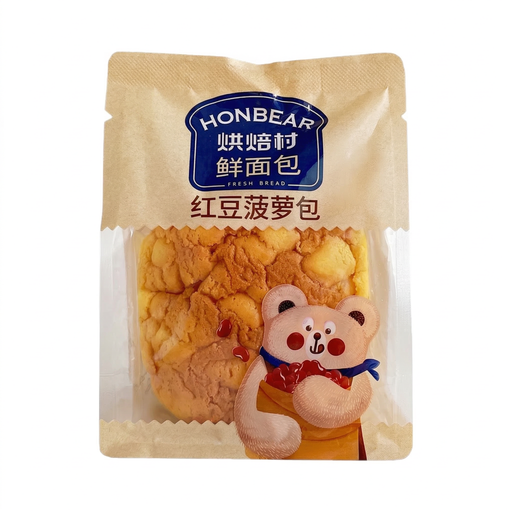
Why it suits this shopper: The single 85g portion is easy to budget for and works well for breakfast, a break or a sweet snack on the go.
The product information lists a minimum red bean filling content of 37%, so you can compare the flavour name with a specific ingredient percentage.
85 grams, ready to eat and, according to the product information, suitable for brief warming if desired.
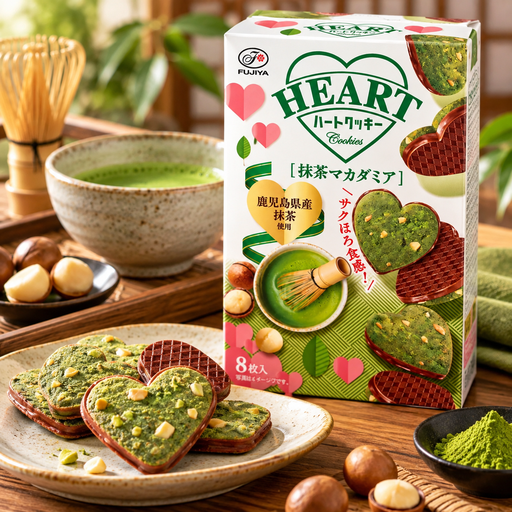
Why it suits this shopper: A good choice if you’re looking for a Japanese biscuit with a clear matcha and macadamia nut combination to enjoy with tea or coffee.
The ingredients list names matcha and macadamia nuts separately and identifies the relevant allergens, including milk, soya and gluten.
56 grams, a crunchy texture and Japan listed as the country of origin.
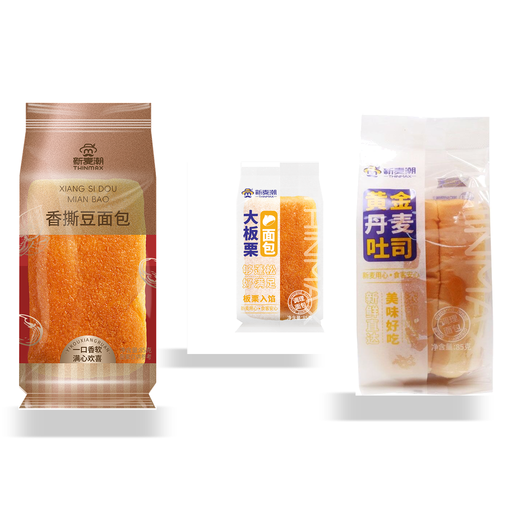
Why it suits this shopper: A practical choice for households, offices or anyone keen to try a range of Asian bread flavours.
The set clearly lists three separate 85-gram portions: Danish toast, chestnut bread and red bean bread.
A total weight of around 255 grams, three flavours and individually wrapped portions.
For frozen products, check delivery and storage requirements. Lekhaven products need to be kept cold and require different preparation from ready-to-eat snacks. So before ordering, make sure you have enough freezer space.
We’ve put together a complete, up-to-date list of products that meet these strict selection criteria and the applicable European safety regulations.
It depends on your preferences and the nutritional values. Red bean bread, filled rolls, croissants and sponge cake are easy to serve. If you’d prefer a grain-based option, you could also compare breakfast biscuits or multigrain bread. Always check portion size, sugar, salt and fibre rather than relying on the product name alone.
Biscuits should usually be stored in a cool, dry place away from direct sunlight. Seal the pack well after opening to keep them crunchy. Bread products may need to be stored at room temperature, in the fridge or in the freezer. Check the product page, and always follow the label on the packaging you receive.
Always check the allergens in the ingredients list. Many Asian snacks contain wheat, gluten, milk, egg, soya, sesame or nuts. Look out for warnings about possible traces too. Product ingredients can change, so use the latest packaging as your final check before eating.
