
Vandaag of morgen in huis

Kwaliteit gegarandeerd

Welkomstaanbiedingen ontgrendelen: GRATIS bezorging | Tot 80% korting | Gratis 30 dagen JoyPlus-proefperiode
Download de app
Buying Asian snacks may seem straightforward, but products can vary considerably in ingredients, portion size, storage requirements and how they are used. Colourful packaging tells you little about the amount of fruit or sugar, or how the product should be stored. With Asian sweets, Asian jelly, mochi and bubble tea toppings in particular, small details can determine whether a purchase is right for your household.
So, look out for these three common pitfalls:
Ingredients are listed in descending order by weight. If sugar appears near the top of the list, it makes up a significant proportion of the product. Also check for allergens such as wheat, gluten, milk, eggs, soya, peanuts and nuts.
For example, pineapple cake often contains wheat flour, egg and milk powder. Yuki & Love Pineapple Cake 120 G also lists 36.7% pineapple filling and provides a value of 447 kcal per 100 grams. This makes the snack suitable if you are looking for a compact pastry with a sweet-and-sour fruit filling, but less suitable if you specifically want a low-calorie snack.
For products described as “vegan” or “gluten-free”, always check the full packaging. The product description for JENI Popping Boba Strawberry states that it is vegan and gluten-free; before ordering and using it, also check the current ingredients and allergen information on the label.
A small pack may appear light, while its nutritional value per 100 grams can still be high. Portion size is therefore important.
So, use the term low-calorie snacks as a search guide, not as a reason to skip checking the label.
For snacks to take with you, individual portions and shelf-stable packaging are practical. O’Say Popping Blueberry Hawthorn lavashak is individually wrapped and ready to eat. The product information states that it weighs 105 grams, contains 345 kcal per 100 grams and should be stored in a cool, dry place.
For use at home, larger packs are often more convenient. Black Grass Jelly from DOUBLE PANDA comes in a 540-gram tin and can be eaten chilled or added to desserts, milk tea and fruit drinks.
Take extra care with chilled and frozen products:
With jelly products that have a firm or chewy texture, supervision is advisable for young children. Jele Double Jelly specifically states that the product is not suitable for children under three because of the risk of choking.
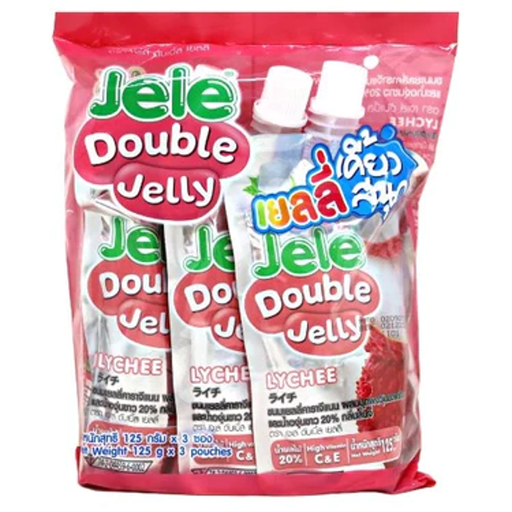
Why it suits this profile: Three 125-gram portions make it easy to try an Asian jelly for the first time or share it with others.
The portion packaging prevents you from buying a large jar without knowing whether the double texture suits your taste. The product information states that each portion contains 60 kcal.
Three individual cups, ready to eat and, according to the product information, with no declared allergens among the 14 major EU allergens.
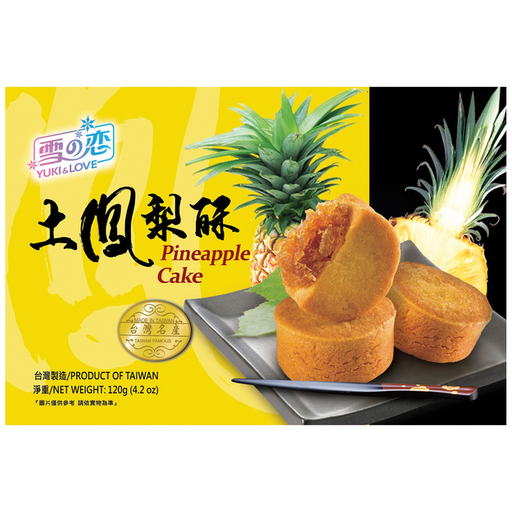
Why it suits this profile: An individual pastry with 36.7% pineapple filling is ideal for a teatime treat or dessert if you are looking for a distinctive fruity filling.
The ingredients and allergens are clearly listed. You can therefore see that the product contains wheat, egg and milk before ordering.
120 grams per pack, pineapple filling shown as a specific percentage, and a nutritional value of 447 kcal per 100 grams.
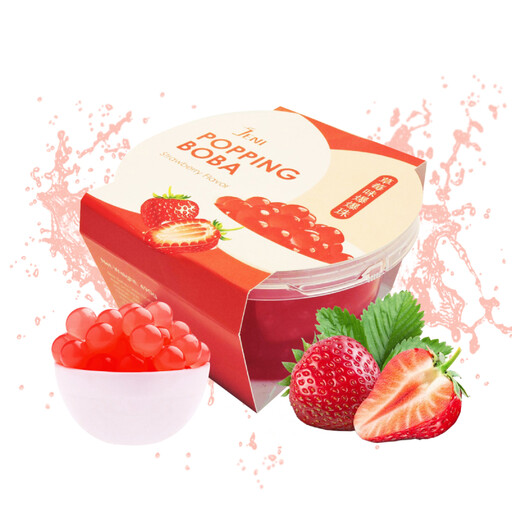
Why it suits this profile: The large jar is practical for regular use in bubble tea, yoghurt, ice cream, smoothies and Asian desserts.
Its intended use is clear: these are toppings, not a snack to eat on its own as a main product. Once opened, the jar must be refrigerated.
490 grams of product, strawberry flavour and a product description stating that it is vegan and gluten-free. Always check the current label.
We have put together a complete, up-to-date list of products that fully meet these strict selection criteria and the applicable European safety regulations.
The country of origin can help you choose a flavour direction, but it does not tell you everything about the ingredients. Japanese snacks such as mochi and baum cake are often soft or chewy. Korean snacks frequently include konjac jelly in convenient sachets. Chinese snacks range from fruit rolls and hawthorn lavashak to freeze-dried fruit and pastries.
For your first order, you can combine different textures:
When you see claims such as “no artificial colourings or preservatives”, pay attention to the source. According to the manufacturers’ own product information, some brands make these claims, but check the ingredients list and the Dutch packaging before deciding that a product is suitable.
Choose products that are individually wrapped and do not require refrigeration. O’Say Popping Blueberry Hawthorn lavashak is individually packaged and ready to eat. Konjac jelly in a pouch is also practical, but check whether it needs to be refrigerated after opening.
Konjac jelly uses konjac powder as part of its gelling mixture and often has an elastic or drinkable texture. Ordinary fruit jelly may contain other gelling agents, such as carrageenan or pectin. Always compare the ingredients, sugar content and portion size; the name alone does not tell you everything.
Follow the instructions on the packaging. Q-Brand Cocoa Mochi Passion Fruit must be stored frozen and briefly defrosted before consumption. Unopened Black Grass Jelly can be kept in a cool, dry place and is suitable for use in milk tea or desserts. After opening, always check the stated storage period.
