
Vandaag of morgen in huis

Kwaliteit gegarandeerd

Welkomstaanbiedingen ontgrendelen: GRATIS bezorging | Tot 80% korting | Gratis 30 dagen JoyPlus-proefperiode
Download de app
Spicy rice snacks come in all sorts of varieties, from crunchy rice crackers with chilli to mala rice snacks with Sichuan pepper. But eye-catching packaging tells you little about the flavour, texture or whether a snack suits the occasion. If you only look for words such as “extra spicy” or “authentic”, you could end up with a bag that’s too salty, goes soft quickly or contains allergens that don’t fit your diet.
Use these practical pointers to compare Chinese rice crackers, Japanese and Korean snacks, and other Asian snacks based on information you can check.
A chilli or barbecue seasoning has a different flavour profile from mala. In mala rice snacks, chilli and Sichuan pepper combine to create a spicy flavour with a tingling or numbing sensation. Other spicy snacks may taste mostly salty, sweet or peppery.
So check the ingredients list. Look for specific ingredients such as chilli, Sichuan pepper, Sichuan pepper oil or a blended spicy seasoning. The product name alone isn’t a reliable guide to how intense the flavour will be.
A 300-gram pack might seem appealing for sharing over drinks, but check how long it will keep once opened. Rice cakes and crackers lose their crunch when exposed to moisture. Individual portions are often more convenient for travelling or at the office, while a large bag is better for sharing.
Compare the net weight, number of portions and type of packaging closure. Store opened snacks according to the label, usually in a cool, dry place with the pack tightly sealed.
Not every crunchy rice cracker is made mainly from rice. Some varieties contain millet, maize flour, potato starch, wheat flour or soya. This affects the flavour and texture, as well as the allergen information.
If you need to avoid gluten, soya or sesame, read the full product information. Allergens are usually clearly listed in the ingredients. If in doubt, always check the packaging, as recipes and labels can change.
The proportion of a grain can give you an initial idea of the type of product. According to the product information, Wo Long Crispy Rice Snack Extra Spicy contains at least 65% millet. The description mentions a thicker, firmer texture and a non-fried production process involving baking at a low temperature.
Other Chinese rice crackers, for example, contain at least 60% millet, while some products are made mainly from starch or several types of flour. You’ll notice the difference when you bite into them: they may be light and crisp, or thicker and firmer.
Compare the nutritional values per 100 grams, not just the portion size. Wo Long Sichuan Peppercorn Rice Crackers list 1.5 grams of salt per 100 grams and at least 0.5% Sichuan pepper and sesame. Wo Long Crispy Rice Snack Extra Spicy lists 1.1 grams of salt per 100 grams.
These figures won’t tell you exactly how the flavour will come across, but they do make it easier to compare products. Also check the sugar, fat and saturated fat content when comparing different spicy snacks.
A 50 to 100-gram bag is handy for a snack on the go. LYFEN Glutinous Rice Crisps come in a 98-gram pack and, according to the product information, are ready to eat. A 200 to 300-gram bag may make more sense for a film night or drinks with friends.
Also check how the snack needs to be prepared. Crunchy rice crackers are usually ready to eat. Korean tteokbokki, such as Yopokki cups, are soft rice cakes that are prepared with water and heat. They’re a different type of product from a dry rice cracker.
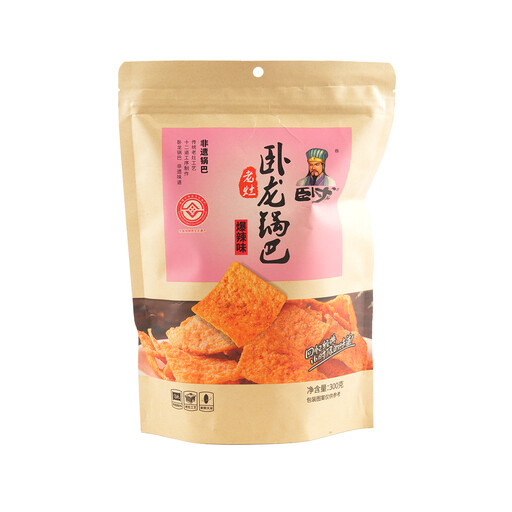
Why it suits this type of shopper: A generous pack for anyone who wants to try spicy rice snacks while streaming or enjoying a drink, without having to buy several flavours straight away.
The product information states that it contains at least 65% millet, comes in a 300-gram pack and clearly identifies cereals containing gluten as an allergen.
300 grams, ready to eat and, according to the product description, non-fried and baked at a low temperature.
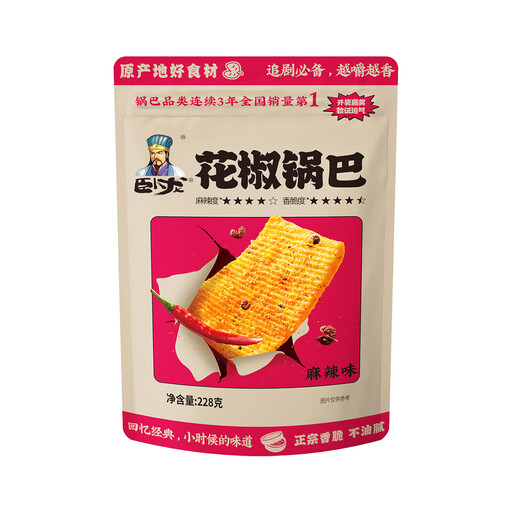
Why it suits this type of shopper: A good choice for fans who want to enjoy the distinctive sensation of Sichuan pepper and sesame alongside the chilli.
The ingredients list at least 0.5% Sichuan pepper and 0.5% sesame. Soya and possible gluten are also identified.
228 grams, at least 60% millet, ready to eat, with a distinctive blend of spicy and tingling seasonings.
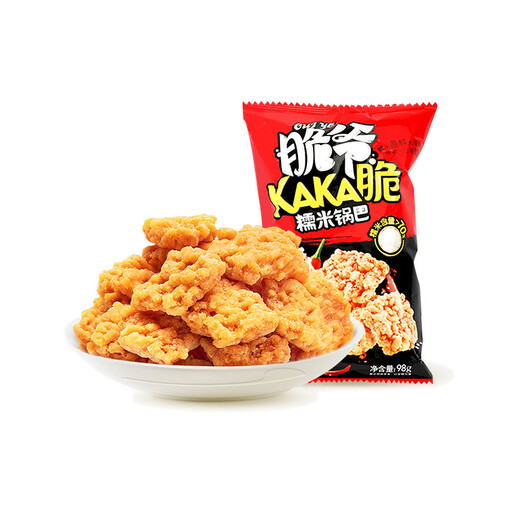
Why it suits this type of shopper: The pack size is just right for a lunch break, your commute or a small snack while watching a series.
The 98-gram bag reduces the chance of a large pack being left open for too long. Reseal it firmly after opening to keep the crisps crunchy.
Ready to eat, easy-to-carry individual pack, seasoned with chilli and Sichuan pepper powder.
We’ve put together a full, up-to-date list of products that meet these strict selection criteria and current European safety requirements.
Mala usually combines chilli with Sichuan pepper. This can make the flavour not only spicy, but also tingling or numbing. Regular spicy rice crackers may be seasoned mainly with chilli, paprika, garlic or a general spice blend.
Many dry Chinese rice crackers are ready to eat straight from the pack, according to the product information. Always check the instructions, though. Korean rice cakes in a Yopokki cup are a different type of product and usually need to be prepared with water and heat.
Keep them dry and seal the pack straight after use. Choose a smaller pack if you’re snacking on your own, or individually wrapped portions if you’re taking them with you. This reduces the chance of moisture making your whole supply go soft.
