
Vandaag of morgen in huis

Kwaliteit gegarandeerd

Welkomstaanbiedingen ontgrendelen: GRATIS bezorging | Tot 80% korting | Gratis 30 dagen JoyPlus-proefperiode
Download de app
Asian snacks offer much more than crisps. Think Chinese snacks made with soya protein, Japanese konjac snacks, Indian potato snacks and Indonesian bites to share. But it can be difficult to tell what’s right for you just by looking at eye-catching packaging.
Three common pitfalls to watch out for:
For consumers in the Netherlands, allergen information is an important thing to check. Pay particular attention to soya, wheat, gluten, peanuts, nuts, milk and sesame. These ingredients are often found in Chinese snacks, vegetarian snacks and spicy snacks.
A snack made with wheat gluten can have a firm, meaty texture, but it isn’t suitable for anyone avoiding gluten. Konjac snacks often contain soya, sesame or peanuts in the seasoning. Potato snacks can also contain milk ingredients, for example in pepper or cheese flavours.
Always check the current packaging. Product information on a web page can change, and the packaging may contain more information than the online description.
The nutritional information per 100 grams makes it easier to compare products. As well as calories, check fat, saturates, sugar, protein and salt. A snack that’s low in calories per 100 grams can still contain a lot of salt. Conversely, a small serving of nut or potato snacks can quickly add up in energy.
Examples from the range:
Use these figures to choose a snack that suits the occasion. An individually wrapped product can be handy when you’re out and about. For a film night or party, a larger sharing bag may be a better fit.
Check whether a product is ready-to-eat, comes individually wrapped and needs to be refrigerated after opening. This matters if you want to keep snacks in a bag, lunchbox or desk drawer.
Individual portions, such as those in some konjac snacks, make it easy to take some with you without opening the whole pack. An 80 to 125-gram bag is more suited to sharing or leisurely snacking at home. Also check the best-before date and storage instructions on the packaging.
Claims such as “light”, “plant-based” or “natural” shouldn’t be assessed in isolation from the nutritional information. A brand’s own research may indicate that a product has certain nutritional or product characteristics, but the ingredients list and nutritional information are the verifiable basis for your purchasing decision.
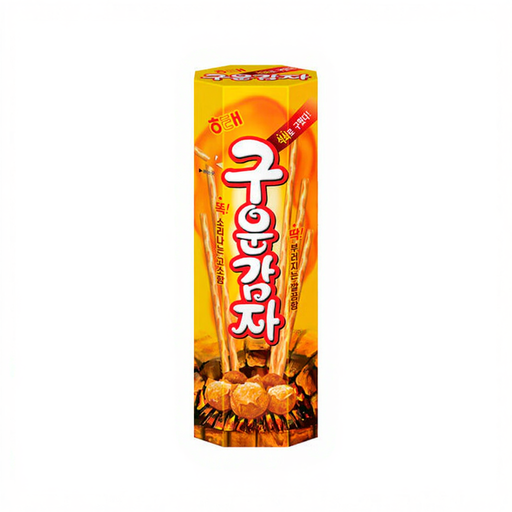
Why it suits this profile: The small pack is a practical way to try Japanese snacks or take one along in your lunchbox.
With a net weight of 27 grams, the portion size is clear from the start, so you’re not relying on the size of the outer packaging.
Potato snack; ready-to-eat; described as suitable for on-the-go snacking.

Why it suits this profile: This Indonesian snack made with melindjo nuts has a savoury, nutty flavour with a slightly bitter finish.
The product information clearly describes the flavour, so you know to expect its distinctive bitter finish.
71% melindjo nuts according to the product information; vegetarian; 90 grams.

Why it suits this profile: Twenty 18-gram sachets are ideal for portioned snacking, when you’re out and about or at a gathering.
The portions are individually wrapped. Do check the stated peanut, soya and sesame allergens before ordering.
20 x 18 grams; konjac as the main ingredient; spicy sesame flavour; ready-to-eat.

Why it suits this profile: Its firm texture and Sichuan-style chilli flavour are a good match for snackers who like to chew slowly and enjoy bold flavours.
The product information explicitly lists soya, wheat and sesame, so you can check whether it suits your diet instead of relying on the word “vegetarian” alone.
25 grams of protein per 100 grams according to the product information; 100-gram pack; ready-to-eat.
We’ve put together a complete, up-to-date list of products that meet these strict selection criteria and the applicable European safety regulations.
Choose an individually wrapped snack that’s ready-to-eat and can be stored at room temperature. Konjac snacks in small sachets, a 27-gram potato snack or small vegetarian snack bars are practical for a bag or lunchbox. Always check the storage instructions after opening.
No. Vegetarian snacks may contain milk, whey or other animal-derived ingredients. So read the ingredients list and look for a clear vegan label. Also check mixed flavourings, sauces and allergens such as milk and egg.
It depends on your taste. Choose a product flavoured with cinnamon, potato, seaweed or a mild savoury seasoning if you want to avoid chilli and Sichuan pepper. When you see terms such as “hot”, “spicy” and “mala”, it’s worth checking the ingredients. This will show you whether chilli, chilli oil or Sichuan pepper appears near the top of the list.
