
Vandaag of morgen in huis

Kwaliteit gegarandeerd

Welkomstaanbiedingen ontgrendelen: GRATIS bezorging | Tot 80% korting | Gratis 30 dagen JoyPlus-proefperiode
Download de app
The world of Asian snacks is vast, brimming with surprising flavours and textures. From fruity Japanese sweets to soft, chewy desserts, the selection you can find online is growing by the day. But how do you choose something that truly suits your taste, without being disappointed by an unexpected texture or an artificial flavour?
As a Joybuy Product Recommendation Officer, I'm here to help you see past the marketing jargon. In this guide, we'll discuss the common pitfalls and provide practical tips, so you can confidently make the right choice for your next snack or dessert.
Before you fill your shopping cart, it's wise to be aware of a few common misconceptions. This will help you prevent buyer's remorse.
To make the right choice, it's helpful to pay attention to a few specific product features.
The texture largely defines the experience. The three most popular textures in Asian desserts are:
For an authentic and fruity taste, it's a good idea to check the ingredients list. Look for terms like "fruit purée" or "fruit juice" and see if a percentage is listed. Products containing a high percentage of fruit often provide a more natural and refreshing snack experience than those that rely solely on "flavourings."
To help you get started, we've highlighted some popular choices and matched them with different preferences.
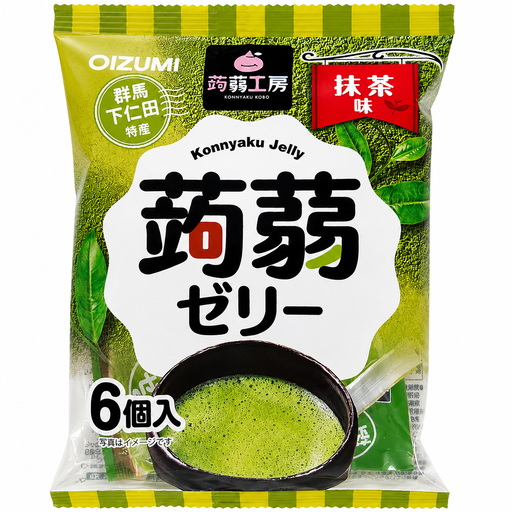
Why This Fits Their Persona: Perfect for those who look beyond standard fruit flavours and want to try a unique texture. The combination of springy konjac jelly and the authentic, slightly bitter taste of Japanese matcha is an experience in itself.
This product avoids the 'artificial flavour' trap by offering a complex, earthy matcha flavour instead of a simple, sweet fruit taste.
Unique, springy konjac texture. Authentic Japanese flavour that is not overly sweet.
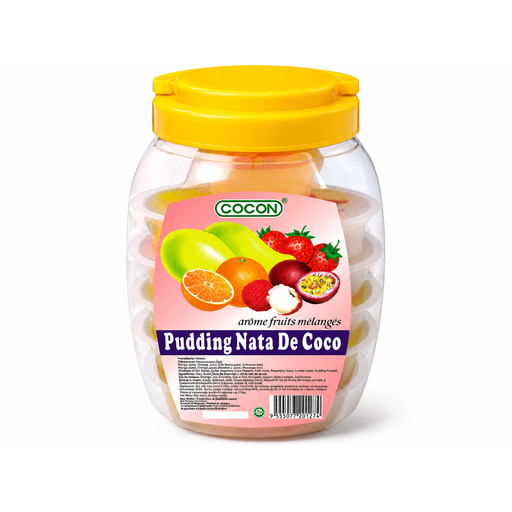
Why This Fits Their Persona: Ideal for parties, treats, or as an easy dessert. The variety of fruit flavours (including mango, lychee, strawberry) and the fun, chewy texture of nata de coco are often a hit with kids.
This product solves the 'confusing portion size' pitfall. It's a family pack with 16 individual, sealed cups, including spoons. No fuss, easy to share.
Large pack with 6 different flavours. Convenient, ready-to-eat portions for on-the-go or at home.
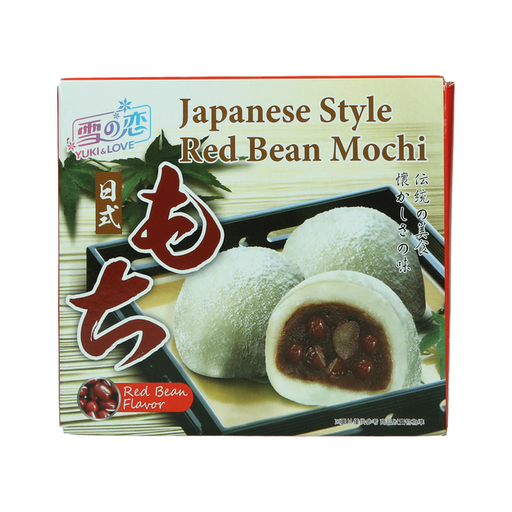
Why This Fits Their Persona: For those who want to try an authentic Japanese sweet. The combination of soft, sticky mochi (also called daifuku) and a sweet red bean paste (azuki) filling is an absolute classic.
This product is exactly what it promises to be. It sidesteps the 'texture surprise' for anyone specifically seeking the unique, chewy experience of traditional mochi.
Authentic Japanese flavour and texture. The filling is made with real red beans.

Why This Fits Their Persona: Perfect as a light, cooling, and refreshing snack on a warm day. The sweet, tropical flavour of lychee jelly is instantly recognisable and not too heavy. Ideal as a snack or a light dessert.
According to the product information, this pudding is made with lychee juice, which reduces the chance of an artificial taste and ensures a more authentic, fruity experience.
Clear, recognisable lychee flavour. The addition of chewy nata de coco provides a pleasant textural contrast.
Discover our full range of Asian snacks and desserts, carefully selected based on flavour and ingredients.
1. What is the difference between konjac jelly and pudding with nata de coco? The main difference lies in the base and texture. Konjac jelly is made from the konjac plant and has a firm, springy structure. Pudding with nata de coco is typically a soft, creamy pudding based on milk or fruit juice, containing soft, chewy cubes of fermented coconut water (nata de coco). So, konjac is a single texture, while the other is a mix of two.
2. What is the best way to store mochi? Mochi is best stored at room temperature and consumed quickly after opening. In the refrigerator, the glutinous rice can become hard and tough, which ruins the soft texture. Always check the packaging for specific storage instructions.
3. Are Asian snacks suitable for children? Many fruit puddings and Cocon pudding varieties are popular with children due to their sweet taste and fun texture. However, be cautious with konjac jelly and mochi for very young children. Due to the firm and sticky texture, there can be a choking hazard. It is advisable to cut these snacks into small pieces and always supervise.
