
Vandaag of morgen in huis

Kwaliteit gegarandeerd

Welkomstaanbiedingen ontgrendelen: GRATIS bezorging | Tot 80% korting | Gratis 30 dagen JoyPlus-proefperiode
Download de app
A Bento seafood snack is handy for when you’re out and about, at work or enjoying drinks with friends. Just tear open the pack and you’ve got a savoury, spicy Asian snack ready to enjoy. But many varieties online look similar. The main differences are in the seafood, seasoning, allergens and nutritional values.
If you only look for terms such as “extra spicy”, “high protein” or “authentic Thai flavour”, you could end up choosing a product that doesn’t suit your tastes. Below, you’ll find the key things to check, plus three practical options for different occasions.
One Bento mixed seafood snack may consist mainly of dried squid and fish. Another may contain a noticeable amount of surimi. So check the ingredients list and the percentage of each type of seafood.
For example, the Bento Larb variety lists 40% squid and 30% surimi. That gives it a different mouthfeel from a snack made with a mix of dried squid, fish and prawns.
“Spicy”, “hot” and “super spicy” are flavour descriptions, not standardised measurements. The amount of chilli, capsicum, garlic, herbs and fish sauce all contribute to the overall flavour. So a spicy fish snack could taste fiery, sweet and spicy, or savoury and tangy.
If you’re after a distinctly seasoned snack, look for names such as Namprik, Larb or Roasted Chili. Just make sure you choose the texture and flavour you prefer: chewy, drier or seaweed-flavoured.
A seafood snack may be relatively high in protein according to its nutrition label, but it can also contain sugar and salt. For example, the Bento Larb variety lists 27 g protein, 29 g sugar and 4.2 g salt per 100 g. The pack contains 20 g, but it’s still important to compare values per 100 g.
So treat nutrition claims as just one part of your decision. Also check the serving size, ingredients and allergens.
Look at the first ingredients on the list. If squid is listed first, you can generally expect a firmer, chewier texture. Surimi is a fish paste and tends to give a more even, softer bite.
A dried squid snack with fish and prawns may suit you if you enjoy a pronounced seafood flavour. A snack containing surimi may be a better choice if you prefer a less fibrous texture.
Bento snacks can contain several allergens, including fish, crustaceans, molluscs, soya, wheat, gluten, peanuts and sesame. The exact ingredients vary by variety.
Always check the latest label before ordering or eating. Product descriptions can change, so the packaging is the definitive source. The Bento Larb variety lists squid, fish, wheat, soya, peanuts and crab, among other ingredients. The Super Seaweed variety lists squid, fish, wheat, soya and molluscs, among others.
A 20 g seafood snack is mainly intended as a small portion. It’s handy for a bag, desk or party, but it’s not the same as a large multipack. Check the best-before date on the pack and store the snack as instructed: in a cool, dry place, away from direct sunlight.
After opening, it’s best to reseal the pack properly. Don’t eat the snack if the packaging is damaged. To avoid surprises when buying a Thai snack, also check that it’s ready to eat and doesn’t need to be kept refrigerated.
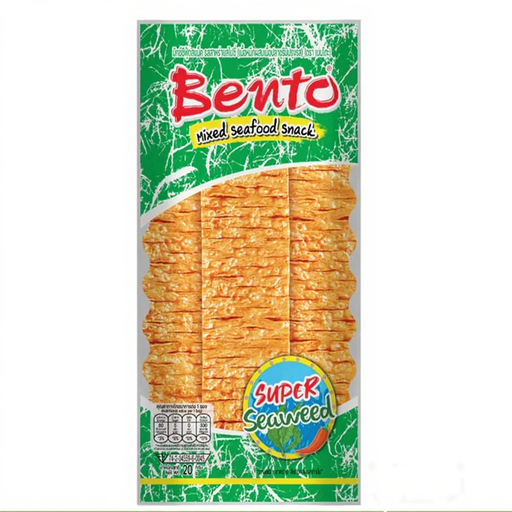
Why it suits this shopper: The 20 g pack is an easy way to try an Asian seafood snack with nori.
The description lists 40% squid and 30% surimi, so you don’t have to rely on the words “mixed seafood” alone.
20 g per pack, with nori, chilli, crab flavouring and soya sauce; according to the nutrition label, 26 g protein and 2.0 g fat per 100 g.
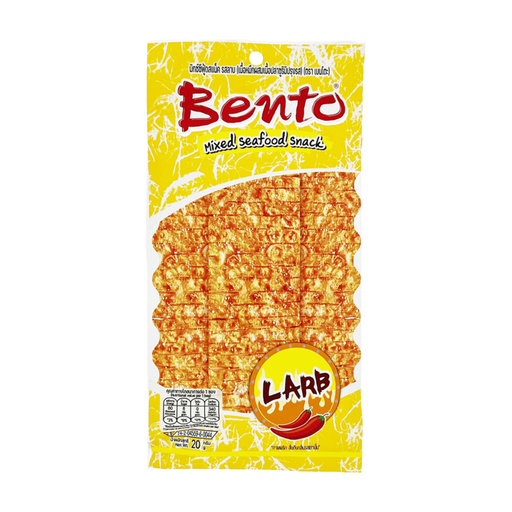
Why it suits this shopper: This variety has a clearly stated composition and a Larb seasoning profile with chilli, herbs and toasted rice flour.
The ingredients list gives the percentages of squid and surimi separately. Allergens and flavour enhancers are also clearly stated.
40% squid, 30% surimi, 20 g per pack and, according to the label, 27 g protein per 100 g.
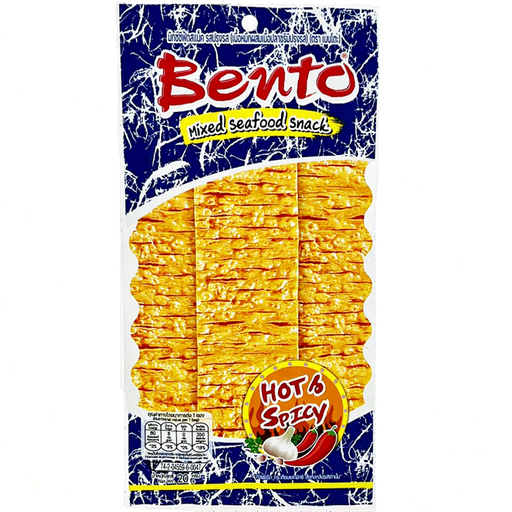
Why it suits this shopper: The name and product description promise a distinctively spicy flavour for anyone who enjoys a hot fish snack.
The description lists squid and surimi separately and says the snack can be stored without refrigeration. Check the allergens on the packaging.
A handy 20 g portion, chewy texture and seasoning with chilli, capsicum and coriander, according to the product information.
We’ve put together a complete, up-to-date list of products that meet these strict selection criteria and the applicable European safety regulations.
Yes. The 20 g varieties are ready to eat and, according to the product information, intended for when you’re out and about, at work, travelling or at parties. Store unopened packs in a cool, dry place, away from direct sunlight. Always check the packaging if the product looks damaged.
The product descriptions for several varieties state a shelf life of around 15 months, but the best-before date on the packaging is the one to follow. After opening, reseal the pack properly and store it according to the instructions.
That depends on your allergy. Bento snacks may contain fish, crustaceans, molluscs, soya, wheat, gluten, peanuts or other ingredients. Before buying, read the full ingredients and allergen information on the latest label. If in doubt, it’s best not to eat the snack.
