
Vandaag of morgen in huis

Kwaliteit gegarandeerd

Welkomstaanbiedingen ontgrendelen: GRATIS bezorging | Tot 80% korting | Gratis 30 dagen JoyPlus-proefperiode
Download de app
Asian seafood snacks come in many forms: from spicy fish snacks and dried anchovies to squid snacks, fish chips and crispy crackers with seaweed flavour. This wide range makes choosing fun, but also tricky. A striking packet, for example, doesn’t always tell you how much fish or squid is inside. And a product marketed as a protein-rich snack can also be high in salt, oil or sugar.
With this guide, you can compare Asian seafood snacks on the points that really matter in practice: ingredients, nutritional values, spiciness, portion size and when to eat them.
Terms like “grilled squid”, “salmon” or “seafood” sometimes refer mainly to the flavour profile. With Lay's potato chips - grilled squid 70 g, the base is potato and vegetable oil. The flavouring includes soya sauce powder, spices and a small amount of squid powder. The product does contain squid as an allergen, but it remains first and foremost a potato snack.
Always check the ingredients list and the quantitative ingredient declaration. If fish, anchovy, squid or prawn appears near the top of the list, it generally makes up a larger proportion of the product than if it only appears in the flavouring.
A fish-based snack can provide more protein than standard crisps, but the values vary greatly from product to product. Jin Zai Deep Sea Small Fish Spicy Flavour, for example, states 25.8 grams of protein per 100 grams. The Jin Zai variants with sauce or mixed flavours state around 27 to 31.8 grams per 100 grams.
Also pay attention to salt, fat and portion size. A small packet can contain relatively high levels of salt, while a 240-gram bag may consist of several portions. So don’t just look at the value per 100 grams, but also at what you actually eat.
For on the go, at the office or in a lunchbox, individually wrapped snacks are often more convenient than one large bag. They also help with portion control. Once opened, the texture and aroma of dried seafood can change quickly. Products like Jin Zai Deep-Sea Small Fish Braised Flavor 240 g come as 20 individual 12-gram sachets. That’s practical for sharing, taking with you or serving alongside rice and noodles.
Before buying, check whether the product contains fish, crustaceans, molluscs, soya, wheat, milk, egg, sesame or sulphites. Mixed products can contain multiple allergens. BENTO Mixed Seafood Snack Roasted Chili, according to the product information, contains fish, squid, prawn and soya; it also warns of possible traces of peanut and sesame.
The information on the packaging of the delivered product is what counts. Recipes and labels can change. If you have an allergy, it’s wise to check the current packaging before eating the snack.
Choose based on when you want to eat the snack:
A “ready-to-eat snack” usually doesn’t need any preparation. Do check the storage instructions and consume an opened sachet as directed on the label.
Spicy fish snacks range from mildly seasoned to sharp and numbing, thanks to chilli and Sichuan pepper. “Spicy & numbing” has a different flavour profile from plain chilli: besides heat, there may also be a tingling effect from the peppercorns. For a first try, a small packet or a mixed multipack are practical choices.
Also look out for sweeter sauces, seaweed flavour and Namprik seasoning. BENTO Mixed Seafood Snack Namprik Thai Original, according to the product description, combines spicy, sour and savoury notes. That makes this Thai seafood snack suitable as a standalone snack, but also as a topping for rice, salads or noodles.
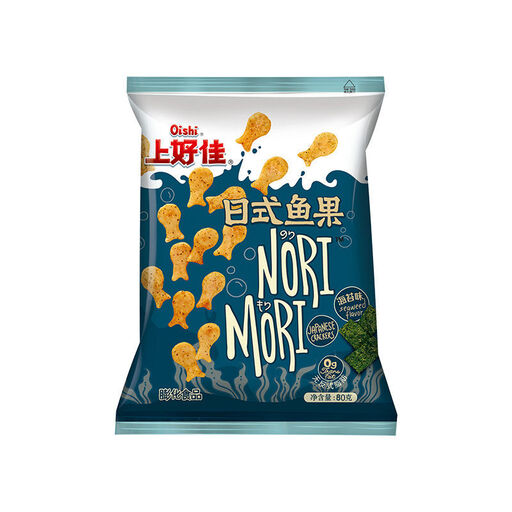
Why this fits the profile: The 80-gram packet is a manageable size for anyone trying a fish cracker with seaweed flavour for the first time.
The product information clearly mentions fish paste, a crispy texture and a net weight of 80 grams; do check the current ingredients on the packaging before buying.
Crispy fish cracker, Japanese seaweed flavour and a size suitable for home, office or on the go.
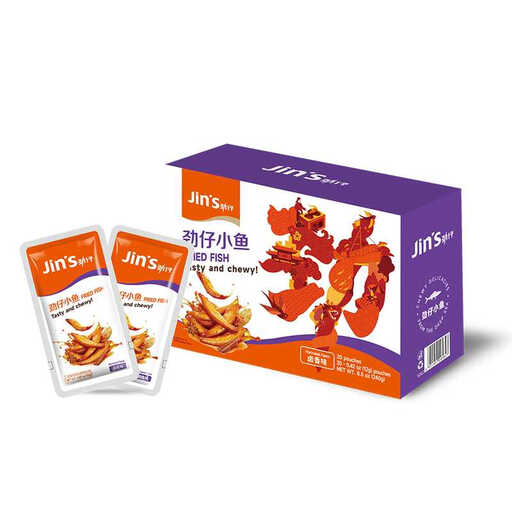
Why this fits the profile: The product information states 69% anchovy and 20 individual 12-gram sachets, ideal for those who care about composition and portion control.
The proportion of anchovy is explicitly stated, so you don’t have to rely solely on the flavour name.
31.8 grams of protein per 100 grams according to the product information; individually wrapped and ready to eat.
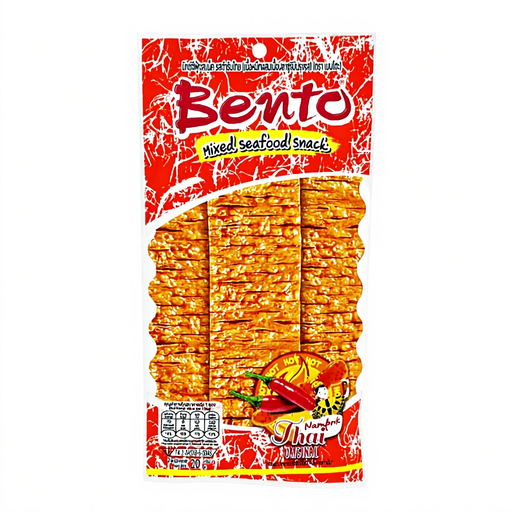
Why this fits the profile: The small packet and Namprik seasoning suit fans of a distinctive Thai seafood snack for on the go or with a meal.
The 20-gram portion limits the amount you open; the product information lists fish, squid and prawn separately.
25 grams of protein per 100 grams according to the product information and suitable as a topping for rice, salad or noodles.
We’ve put together a full, up-to-date list of products that fully meet these strict selection criteria and comply with current European safety regulations.
Store unopened snacks in a cool, dry place, away from direct sunlight and moisture. Seal a large packet well after opening to better preserve crispness and aroma. Individual sachets only need to be opened when you eat them. For fish tofu, a different instruction applies: according to the product information, it must be refrigerated after opening.
Always check the best-before date on the packaging. If the packaging is damaged, bloated or has become damp, it’s best not to use the product.
Some products contain relatively high levels of protein, especially snacks based on anchovy or other fish. However, the stated values vary depending on the recipe. Compare the nutrition table per 100 grams and also pay attention to salt, fat and the actual portion size.
That varies by flavour. “Spicy”, “hot & spicy” and “spicy & numbing” usually indicate a clear chilli seasoning. A product with Namprik can also have sour and spicy notes. If you’re less used to spicy food, you can start with a small packet or a milder fish cracker.
Follow the instructions on the label. Many dried snacks need to be sealed well after opening and eaten soon after. Individually wrapped snacks stay sealed per portion until you use them, which is practical for on the go, school, work or a drinks gathering.
