
当日/次日达

品质保障

开启新人专享福利: 全场免邮 | 低至 2 折 | 免费试用 30 天 JoyPlus 会员
下载 Joybuy
As a Joybuy Product Recommendation Officer, I've seen the selection of Asian sausages in the Netherlands expand significantly. From sweet Taiwanese sausages to savoury Vietnamese varieties, the choice is vast. But with more choice come more pitfalls. Many products look identical in their packaging, yet their flavour and texture can vary dramatically. Let's explore how to avoid choosing the wrong sausage.
The most common disappointments when buying Asian sausages include:
lap cheong, for example.Taiwanese sausage in particular is known for its sweet taste, but some varieties contain so much sugar that the meat flavour is completely lost. This can make a dish unintentionally sweet.To avoid these pitfalls, there are a few specifications you should always check before you buy Asian sausages. These details are usually found on the packaging or in the online product description.
The meat percentage is a clear indicator of quality. A higher percentage (ideally above 70%) generally means a firmer texture and a richer flavour. Also, pay attention to the type of meat. Most Asian sausages are made from pork, but there are also chicken or beef varieties, each with its own unique flavour profile. A frozen sausage with low meat content can be disappointingly soft after cooking, especially in a hotpot.
Asian sausage is not a one-size-fits-all category. The flavours vary widely:
lap cheong): Often dried and cured, with a characteristic sweet-salty flavour from soy sauce and sugar. They sometimes also contain rose water or rice wine for a complex aroma.grilling sausage and popular at night markets. Varieties with garlic, black pepper, or even sausage with cheese are common.Ch? l?a): This is a steamed pork sausage with a subtle, savoury flavour. The texture is smooth and springy. The taste comes primarily from fish sauce and pepper, not sugar.Sundae): A completely different category, often filled with glass noodles and pork blood, with a unique, earthy flavour.Check the ingredients list for flavouring agents. Do you see sugar and flavour enhancers (like MSG/E621) listed first, or spices, soy sauce, and fish sauce? This will give you a good indication of the expected flavour profile.
Below are a few products that suit different preferences and cooking methods, based on their specifications.
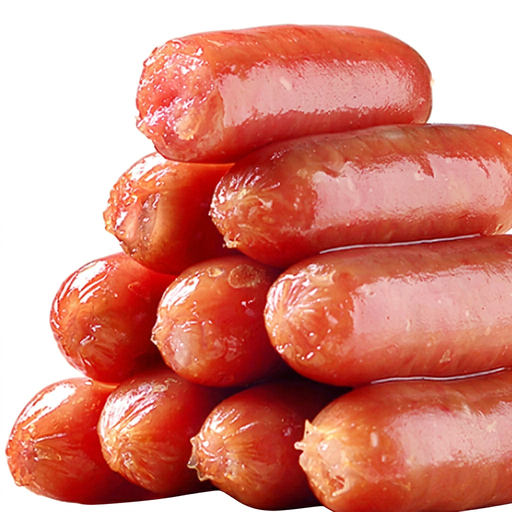
Why This Fits Their Persona: This sausage is ideal for anyone looking for a reliable and flavourful option for the barbecue or as an addition to a hotpot. Its classic Taiwanese flavour is a crowd-pleaser, and the sausage is firm enough for various cooking methods.
With an 85% pork content, this product avoids the texture disappointment. You get a juicy, meaty sausage instead of a mushy mass full of fillers.
High meat content ensures a great texture. The classic, slightly sweet flavour is versatile and not overpowering.
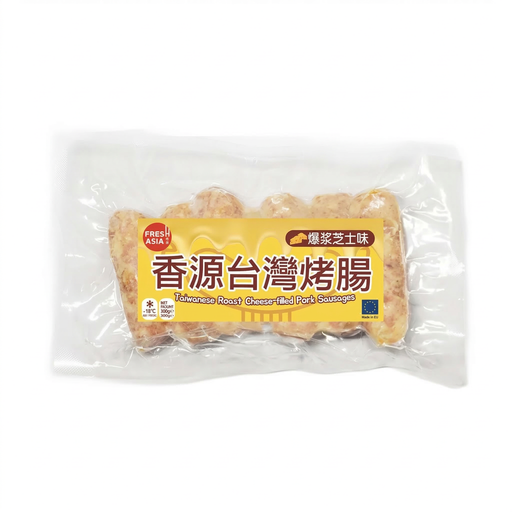
Why This Fits Their Persona: Perfect for those looking for a quick, surprising snack. These sausages are ready in minutes in a pan or air fryer, and the melted cheese filling makes them a treat on their own, with no need for extra additions.
Instead of a generic sweet taste, this product offers a clear and deliberate flavour choice: a sausage with cheese. The taste is distinct and intended as a unique combination, not an attempt to mask low quality.
Juicy pork sausage with a melted mozzarella filling. Quick to prepare in a pan or air fryer.
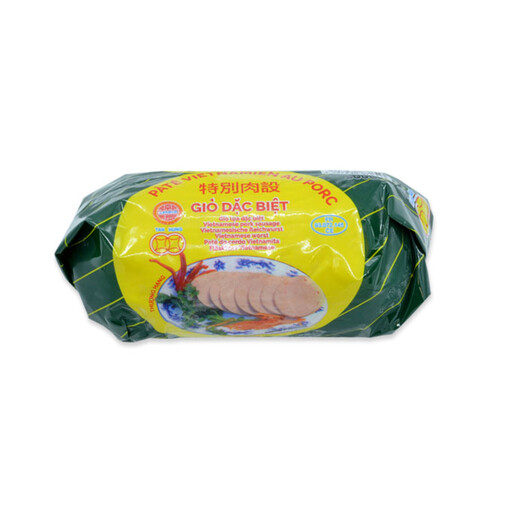
Why This Fits Their Persona: For the cook seeking the specific, savoury flavour of Vietnamese sausage for dishes like Bánh mì or noodle soups. This is not a sweet snack sausage, but an ingredient for authentic recipes.
This product bypasses the "authentic" marketing trap by being a genuinely specific regional product. The flavour is defined by fish sauce and pepper, not sugar, ensuring an authentic savoury profile.
High pork content (85%) and an authentic, savoury flavour that is essential for many Vietnamese dishes.
We have compiled a complete, up-to-date list of products that meet these selection criteria and comply with current regulations.
The main difference lies in the texture and flavour. Chinese sausages (lap cheong) are often harder and drier, with a concentrated salty-sweet flavour. They are usually steamed or cooked with rice dishes. Taiwanese sausage is typically juicier, plumper, and sweeter. It is often grilled or pan-fried and eaten as a snack.
Most frozen sausage is best kept in its original, well-sealed packaging in the freezer at -18°C or colder. Once thawed, it is not recommended to refreeze the sausage. Store thawed sausage in the refrigerator and consume it within the period indicated on the packaging, usually a few days.
Yes, many Asian sausages, especially raw varieties like Taiwanese grilling sausage, are very suitable for the air fryer. A general guideline is to cook them at around 170-180°C for 10-15 minutes, flipping them halfway through. This creates a crispy exterior and a juicy interior. Always check that the sausage is fully cooked through.
