
Vandaag of morgen in huis

Kwaliteit gegarandeerd

Welkomstaanbiedingen ontgrendelen: GRATIS bezorging | Tot 80% korting | Gratis 30 dagen JoyPlus-proefperiode
Download de app
A good bottle of Asian sauce can quickly add depth and flavour to a simple meal. Choosing the right one, however, is not always straightforward. Chinese sauces, Thai sauces and Vietnamese chilli sauces often sit side by side on the shelf, even though their names and uses can vary considerably.
The biggest purchasing mistakes usually stem from three common pitfalls:
Ingredients are listed in descending order by weight. If sugar or salt appears near the top, that gives you a clear indication of the flavour profile. For example, according to the product information, Mee Chun Precious Sweet Noodle Sauce 350 ml contains 35% sugar, 21% soybeans and 15% salt. This sweet-and-savoury sauce is therefore particularly suitable for Chinese dishes, noodles, Peking duck and marinades where you want a pronounced sweetness.
With black bean sauce, you should specifically look for fermented black beans. According to the product specification, LEE KUM KEE Spicy Black Bean Sauce contains 35% fermented black beans. It works well with stir-fries, steamed fish, tofu and aubergine. Because it also contains chilli, it is less suitable as a neutral base.
Many Chinese sauces contain soy and wheat. Hoisin sauce, char siu sauce and Peking duck sauce may also contain sesame. Oyster sauce contains molluscs and is therefore neither vegetarian nor vegan.
Also compare the salt and sugar content per 100 grams or millilitres. For example, Lee Kum Kee Panda Oyster Sauce 255 g lists 29.5 g of salt per 100 g, while Sunlee Sweet Chilli Sauce 300 ml lists 48 g of sugar and 2 g of salt per 100 ml. This makes the two products suitable for different applications:
If you have allergies, always check the current packaging. Product information can change, and an online description does not replace the label.
A sauce for everyday stir-frying should be easy to measure and pair well with vegetables, noodles or rice. For barbecuing and oven cooking, a thicker marinade or glaze is more practical. With dim sum and spring rolls, you are more likely to want a ready-to-serve dipping sauce.
Vegetarians and vegans should not automatically assume that a product is a plant-based alternative to oyster sauce. According to the product description, LEE KUM KEE Mushroom Vegetarian Stir Fry Sauce is made with mushrooms and intended for stir-frying, braising, dipping and dishes featuring tofu, vegetables or noodles. Always check the full ingredients list and allergen information.
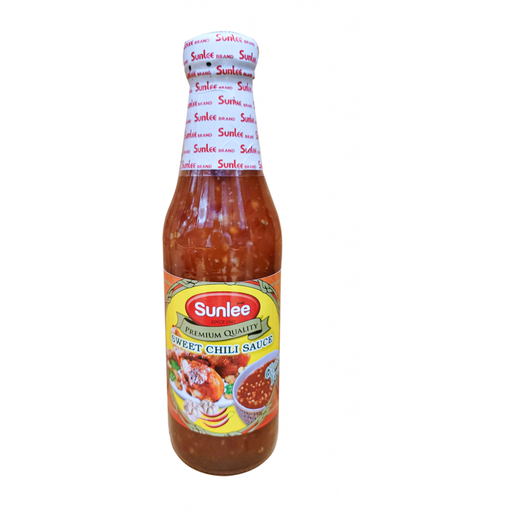
Why it fits: An approachable choice for spring rolls, chicken, vegetables, salads and simple stir-fries. The sauce can be used straight from the bottle as a dip or marinade.
The recommended uses are clearly stated: dipping, glazing, stir-frying and marinating. Its mild sweet-and-spicy flavour reduces the risk of over-seasoning a dish with a stronger chilli sauce.
300 ml contents; according to the product information, free from the 14 major EU allergens; ready to use.
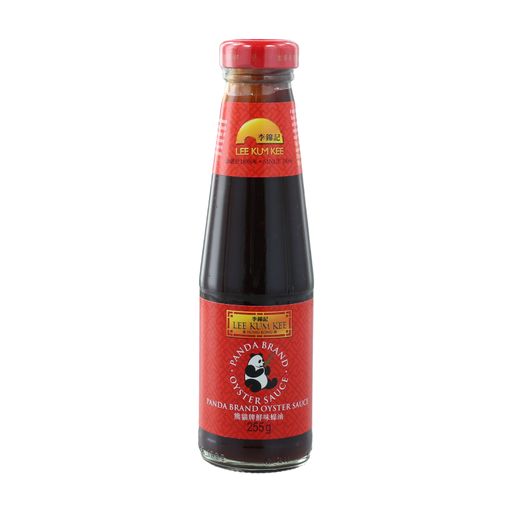
Why it fits: A practical Chinese sauce for anyone looking for a compact bottle for marinades, stir-fries and small amounts of dipping sauce.
The product information specifies 3% oyster extract. The sauce is therefore not suitable for vegetarians or vegans, regardless of its broad range of uses.
255 g contents; suitable for stir-fries, marinades and dipping; oyster and wheat allergens are clearly identified.
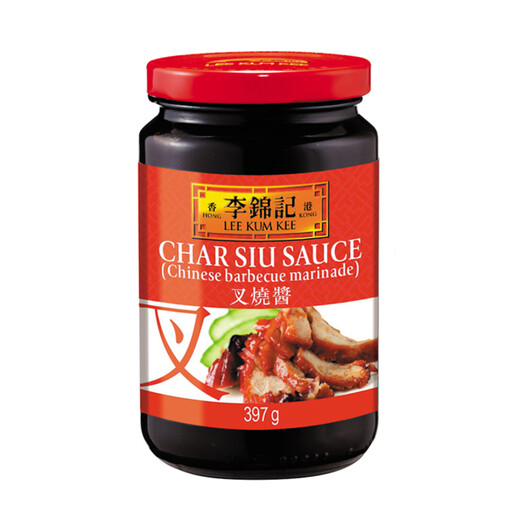
Why it fits: Designed for char siu, but also useful as a marinade or glaze for pork, chicken and other barbecue preparations.
The instructions recommend 70–100 g of sauce per 500 g of pork. That means you do not have to estimate the ratio by eye.
397 g contents; suitable for marinating and glazing; soy and wheat are clearly identified as allergens.
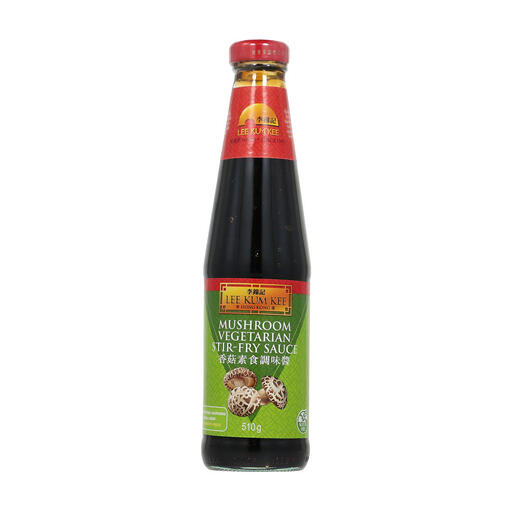
Why it fits: A plant-based alternative for dishes with tofu, vegetables, noodles and rice, without oyster extract.
According to the product information, the base consists of mushroom extract and soy sauce. If you follow a strict vegan diet, check the packaging carefully.
510 g contents; intended for stir-frying, braising and dipping; according to the product description, contains no animal-derived ingredients.
For a well-stocked Chinese pantry, you may also want to consider:
According to Sunlee’s own product information, its sweet chilli sauce is free from artificial colourings and preservatives. However, the ingredients list does include modified starch, so always check the current packaging rather than relying solely on marketing claims. The same applies to Amoy Premium Oyster Sauce: checking the packaging is advisable, as the product description makes certain claims about additives while the listed ingredients include E621, E631 and E627.
Discover a current selection of sauces for stir-fries, marinades, dips and Chinese recipes. Compare ingredients, pack size, allergens and recommended uses for each product.
For noodles, you can use a stir-fry sauce, hoisin sauce, black bean sauce or mushroom stir-fry sauce. Choose a robust sauce and use it sparingly, adding water, stock or oil if necessary to distribute the flavour evenly.
That depends on the product. Many sauces must be refrigerated after opening. Follow the instructions on the label and use a clean spoon. The best-before date does not automatically guarantee quality once a bottle has been opened.
Choose a product clearly labelled vegetarian or vegan and check the ingredients. Traditional oyster sauce contains oyster extract and is not plant-based. Mushroom stir-fry sauce can be an alternative, but also check for soy, wheat and possible cross-contamination.
