
Vandaag of morgen in huis

Kwaliteit gegarandeerd

Welkomstaanbiedingen ontgrendelen: GRATIS bezorging | Tot 80% korting | Gratis 30 dagen JoyPlus-proefperiode
Download de app
A jar of Asian sauce can add plenty of flavour to a quick meal, but not every sauce suits every dish. For example, a sweet stir-fry sauce may be less suitable for a spicy hotpot, while a strongly salted soy sauce can quickly overpower a dish. Marketing terms such as “authentic”, “mild” or “versatile” also do not always tell you enough about the ingredients, serving size and how to use the sauce.
Pay particular attention to these three common pitfalls:
For a quick meal with vegetables, tofu or meat, a stir-fry sauce is practical. Stir-fry sauces can often be added straight to the pan. According to the product description, Bibigo Bulgogi Sauce is intended for marinating, grilling, wok dishes and stir-fries. The combination of soy sauce, pear, garlic, onion and chilli creates a sweet, savoury and spicy flavour profile.
For rice and noodles, sauces with mushrooms, fermented beans or soy sauce are useful. A mushroom sauce can be used as a topping, stir-fry base or marinade. For a hotpot or Sichuan-style dish, look instead for a hotpot sauce containing chilli, Pixian bean paste and Sichuan pepper.
A curry sauce is suitable when convenience is your main priority. Ready-made varieties sometimes already contain vegetables and fruit, so all you need to add is chicken, tofu or extra vegetables, plus rice. An Indonesian-inspired satay sauce usually combines peanuts with sweet and savoury seasonings.
Always read the full ingredients list before buying. Information on the product page may be incomplete or displayed differently from the label. So check the packaging again when your order arrives.
Common points to look out for:
Vegetarian oyster sauce does not contain oysters, but it may contain soya, sugar and mushroom extract. LEE KUM KEE Vegetarian Oyster Flavour Sauce lists soya as an allergen. Always check that the ingredients suit your diet and any allergies.
Nutritional values can vary considerably. Bibigo Bulgogi Sauce Hot & Spicy lists 5.7 grams of salt and 33 grams of sugar per 100 grams. Shinho soy sauce for braised dishes lists 14.1 grams of salt per 100 millilitres. This does not mean you need to avoid these products, but it does mean that small amounts are often enough.
Also consider the quantity:
When in doubt, use the storage and usage instructions on the packaging as your guide.
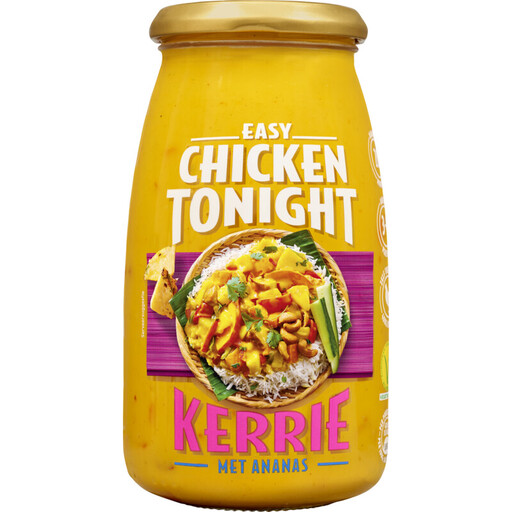
Why it suits this profile: This ready-made curry sauce is intended for three to four people and can be served with rice and chicken.
The product description clearly states the serving size, preparation method and vegetables included. However, check the allergens: the product contains, among other things, egg, wheat, celery and mustard.
520 grams; mildly seasoned according to the product description; suitable for rice and a quick meal.
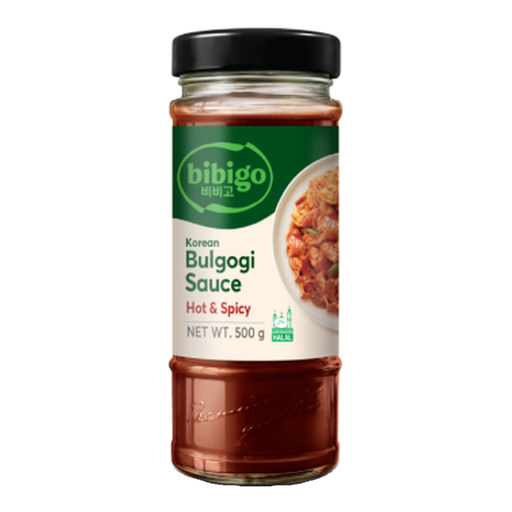
Why it suits this profile: Ideal for anyone looking for Korean flavours and a single sauce for marinades, wok dishes and barbecues.
The product description gives specific usage suggestions and lists soya and wheat as allergens. The stated nutritional values make it possible to compare sugar and salt levels.
500 grams; contains soy sauce, pear, garlic, onion and chilli according to the label; suitable for meat, tofu and vegetables.
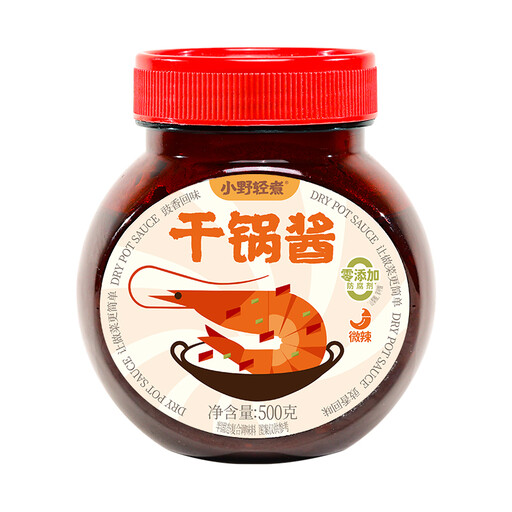
Why it suits this profile: The large pack is practical for households that often make stir-fries, dry pot dishes or braised dishes.
The ingredients list states 10% Pixian bean paste and 2% chilli. This makes it easier to judge the flavour profile and level of heat than by looking at the front of the pack alone.
500 grams; suitable for stir-fries, meat and vegetables; contains wheat and soya, clearly listed among the allergens.
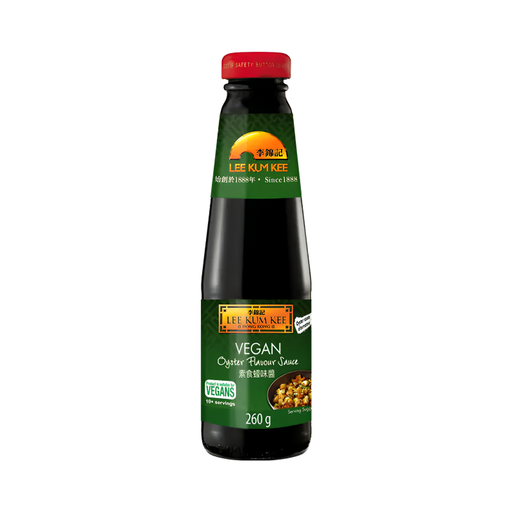
Why it suits this profile: A practical choice for stir-fries with vegetables, tofu and noodles when you are looking for a vegetarian seasoning.
The product description states that the sauce contains no oysters and lists soya as an allergen. If you follow a strictly vegan diet, always check the current label.
260 grams; suitable for vegetables, tofu, noodles and marinades; mushroom extract is listed among the ingredients.
We have put together a complete, up-to-date list of products that fully meet these strict selection criteria and the applicable European safety regulations.
That depends on the flavour you are looking for. According to the product description, mushroom sauce adds umami to rice, noodles and stir-fry dishes. Soy sauce is particularly suitable as a salty base or marinade. For a complete meal with minimal preparation, a ready-made curry sauce may be more convenient.
Always follow the label. For many products, the advice is to seal the sauce tightly and store it in the fridge. Some ready-made sauces should be used within a few days, while others state a longer recommended usage period. Do not use packaging that is damaged or a product whose smell, colour or texture has clearly changed.
First heat the oil and fry your vegetables, tofu or meat. Then add a small amount of stir-fry sauce or hotpot sauce and combine everything over a high heat. Start with a little sauce, as many Asian sauces are relatively concentrated and salty. Taste at the end and add water, rice vinegar or extra vegetables if needed.
