
Vandaag of morgen in huis

Kwaliteit gegarandeerd

Welkomstaanbiedingen ontgrendelen: GRATIS bezorging | Tot 80% korting | Gratis 30 dagen JoyPlus-proefperiode
Download de app
A bottle of Asian sauce may seem like a simple purchase. However, flavour, uses, sizes and ingredients can vary considerably. Sweet chilli sauce works well as a dip, but is not automatically suitable as the base for every stir-fry sauce. Oyster sauce adds umami to Chinese dishes, while teriyaki marinade is mainly sweet and savoury.
For home cooks, expats, foodies and catering businesses, there are three common pitfalls:
Start with the intended use, not the brand. This classification makes comparing products easier:
A sauce can serve several purposes. For example, according to the product information, Lee Kum Kee Panda Oyster Sauce is recommended for marinating, stir-frying and dipping. This makes this type of oyster sauce an appealing choice if you want one bottle for a range of Chinese dishes.
Look beyond the front of the packaging. Check the first ingredients: water, sugar, salt, soya, vinegar, chillies or oyster extract. The order indicates which ingredients are present in relatively large amounts.
Also check for allergens:
For example, Lee Kum Kee Panda Oyster Sauce lists 3% oyster extract. The nutritional information also states 29.5 grams of salt per 100 grams. This is relevant information when combining the sauce with soya sauce or other salty ingredients.
“Chilli sauce” is a broad category. Sweet chilli sauce often contains a lot of sugar and has a smooth, syrupy consistency. A garlic chilli sauce with fermented black beans is more savoury, oil-based and full-flavoured.
Look out for these differences:
Add a thick sauce at the end of cooking in the wok if you mainly want shine and flavour on the surface. For marinades, you can leave the sauce to soak in for longer, but follow the instructions on the packaging and cook meat, fish or poultry thoroughly.
Compare the quantity with how much you use. A bottle of 250 to 400 grams is suitable for occasional use. For families, meal preppers or small catering kitchens, 700 to 900 grams may be more convenient. A 4.5-litre pack makes sense mainly for regular, high-volume use.
After opening, a sauce often needs to be refrigerated. According to the product information, this applies to various Lee Kum Kee sauces and to Inproba Sweet Chilli Sauce, among others. Keep the bottle tightly closed, away from direct sunlight, and check the use-by or best-before information on the packaging.
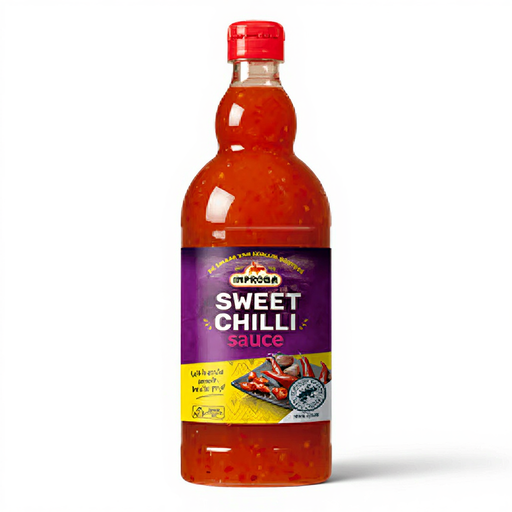
Why it suits this profile: A generous bottle for anyone who often dips, grills or prepares simple Asian dishes. The sweet chilli sauce is ready to use with snacks, chicken and crudités.
Its uses are described broadly, and the ingredients, allergens and nutritional information are available. This means you can compare sugar and salt content in advance.
850 ml quantity; suitable as a dip, with grilled chicken and as the base for a marinade.
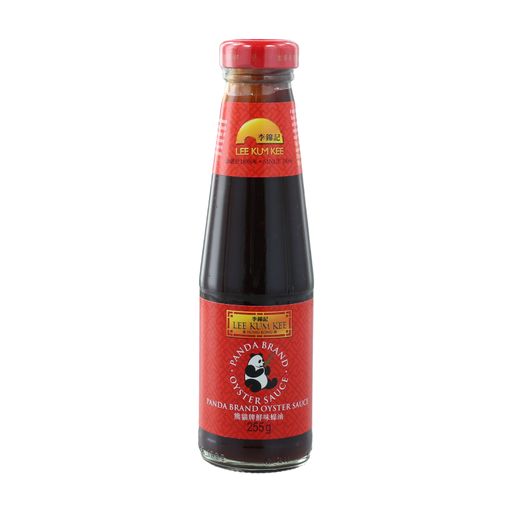
Why it suits this profile: A compact Chinese sauce for wok dishes, marinades and dipping. The product information lists 3% oyster extract and states that it originates from China.
The amount of oyster extract and the allergens are specified. This makes comparison more transparent than relying solely on the front label.
255 grams; suitable for stir-frying, marinating and dipping; clearly lists molluscs and wheat as allergens.
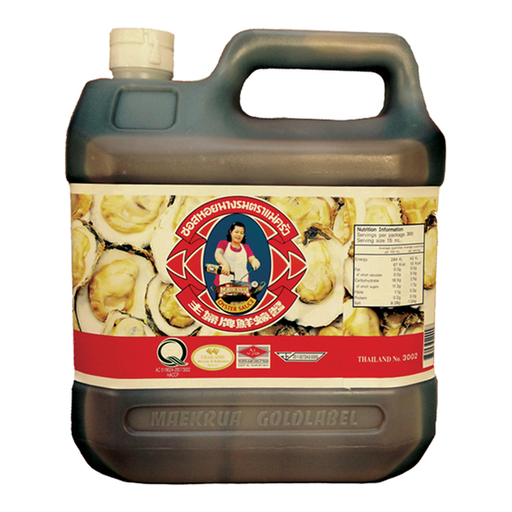
Why it suits this profile: The large size is designed for catering, restaurants, large families and kitchens where stir-frying or marinating takes place every day.
You are not paying for a small bottle when the sauce is used frequently. However, check your storage space, the shelf life and the refrigeration advice after opening.
4.5 litres; intended for stir-fries, marinades and dips; the product information lists oyster, soya and wheat as allergens.
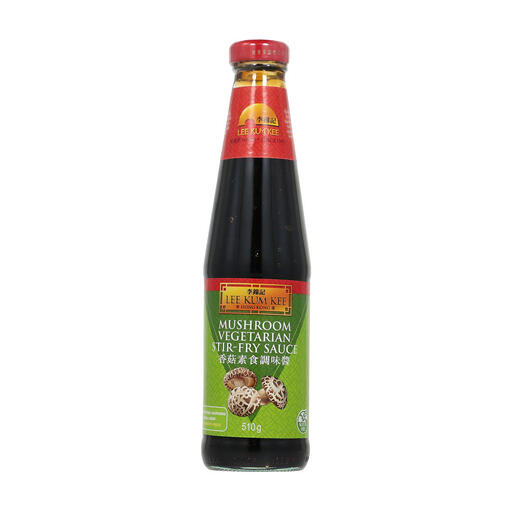
Why it suits this profile: According to the product description, this sauce is made with mushrooms instead of animal-based oyster ingredients and is intended for vegetables, tofu, noodles and stir-fries.
The ingredients list makes it clear that soya and wheat are present. Choosing vegan products does not mean you can skip checking for allergens.
510 grams; suitable for wok cooking, stews, dipping and tofu; the product information lists no animal-based oyster ingredients.
We have put together a complete, up-to-date list of products that fully meet these strict selection criteria and the applicable European safety regulations.
That depends on the flavour profile you want. Oyster sauce, mushroom stir-fry sauce, black bean sauce and light seasoning sauce are practical choices for vegetables, tofu, meat and noodles. Add a small amount and taste before adding extra salt or soya sauce.
Shelf life varies by product. Check the date on the packaging and follow the storage advice. Many Asian sauces need to be refrigerated after opening. Always use clean utensils and seal the bottle immediately after use.
Chilli sauce can be savoury, sour and very spicy, such as a chilli garlic sauce with fermented beans. Sweet chilli sauce usually contains more sugar and has a thicker consistency. It is often used as a dip, with grilled dishes or as part of a simple marinade.
