
Vandaag of morgen in huis

Kwaliteit gegarandeerd

Welkomstaanbiedingen ontgrendelen: GRATIS bezorging | Tot 80% korting | Gratis 30 dagen JoyPlus-proefperiode
Download de app
A bottle of Asian sauce may seem like a quick purchase, but the differences in flavour, ingredients and uses can be significant. Sweet chilli sauce, for example, is mainly suited to dipping, while oyster sauce and soy sauce are more often used to add flavour to stir-fries. If you focus only on the packaging, country of origin or a promising description, you could end up with a sauce that is too sweet, too salty or unsuitable for the dish you have planned.
This guide compares Asian sauces based on verifiable information on the label. That way, you can make a more informed choice between chilli sauce, hoisin sauce, fish sauce, satay sauce, sukiyaki sauce or another seasoning.
Asian cuisine encompasses many regional traditions. Thai oyster sauce, Vietnamese fish sauce and Chinese hoisin sauce each have a different flavour profile. Products with words such as “original”, “authentic” or “traditional” on the packaging do not always provide enough information about sweetness, heat or salt content.
So check the ingredients list, country of origin and recommended use. A sauce for hotpot may taste quite different from one intended for noodles or barbecue.
A 600, 800 or 1,000 ml bottle may seem appealing for families or frequent use. However, a sauce that you only use occasionally may sit in the fridge for a long time after opening. Check the storage instructions and calculate the price per 100 ml or 100 grams. A smaller bottle may be more practical if you want to try several different sauces.
Sweet chilli sauce and curry sauce can contain relatively large amounts of sugar, while soy sauce, fish sauce and oyster sauce are often high in salt. This makes them effective flavour enhancers, but it is still important to use them sparingly. The nutritional information on the label helps you compare products more fairly than claims on the front of the packaging.
First decide what you want to use the sauce for:
Ingredients are listed in descending order by quantity. Pay particular attention to:
If you have an allergy, always check the current packaging. Product information can change, and “may contain” statements should be taken seriously.
As well as the quantity, compare sugar, salt and serving size. For example, according to the product information, Inproba Sweet Chilli Sauce contains 42 grams of sugar and 3.5 grams of salt per 100 grams. Kikkoman Soy Sauce lists 16.9 grams of salt per 100 grams. This is not a reason to reject a product, but it is a reminder to use small quantities.
Store sauces according to the label. Many products should be kept in a cool, dry place away from direct sunlight. Refrigerated storage may be recommended after opening. Also check the shelf-life information on the bottle, as this can vary from one product to another.
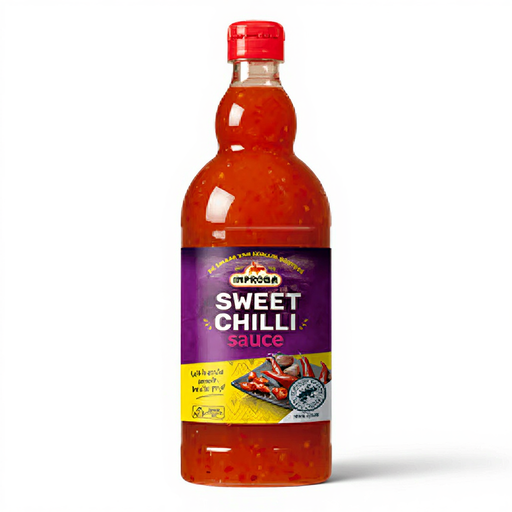
Why it suits this profile: The large bottle is suitable for regular use with snacks, grilled chicken, raw vegetables and simple marinades. The product information does not list any of the 14 major EU allergens.
Its use is clearly described as a dip and sauce for Eastern dishes. However, check whether the sugar content of 42 grams per 100 grams suits the way you plan to use it.
850 ml capacity, a sweet and spicy flavour profile, and suitable as a dip, sauce or marinade base.
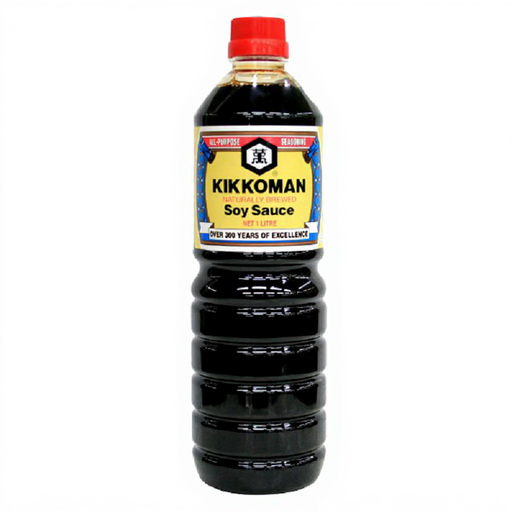
Why it suits this profile: This soy sauce is intended as an all-purpose seasoning for stir-fries, marinades and everyday meals. The 1-litre bottle suits cooks who regularly prepare Asian dishes.
The ingredients are straightforward: water, soya, wheat and salt. This makes it immediately clear that it is not a gluten-free option and that moderation is still needed.
1-litre capacity, 10 grams of protein per 100 grams and versatile use in stir-fries, dressings and marinades.
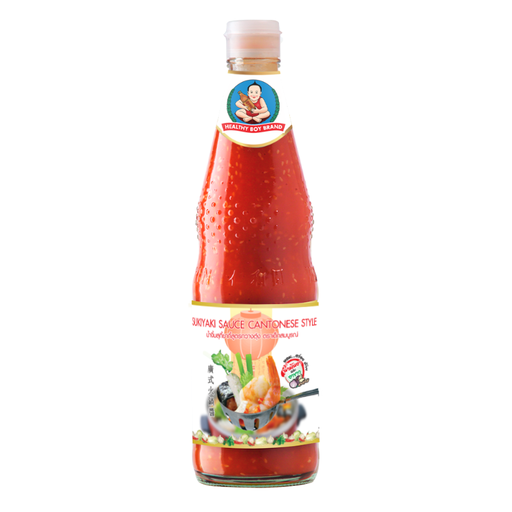
Why it suits this profile: The large bottle is practical for hotpot, family meals and regular use. According to the product description, the sauce can also be used for stir-fries, marinades and as a dipping sauce.
The uses and allergens are clearly stated. The sauce contains soya, wheat and sesame, so it is not suitable for every dietary preference.
810 grams, suitable for several cooking methods, with a savoury-sweet profile featuring garlic and herbs.
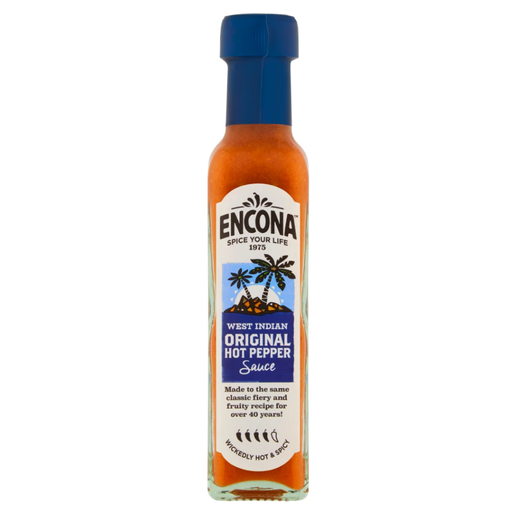
Why it suits this profile: The compact bottle is handy if you want to add a hot chilli sauce to soup, pizza, dips, sandwiches or marinades without buying a large supply.
The ingredients list includes red cayenne peppers, vinegar, water, salt and natural flavourings. The packaging does not indicate any of the 14 major EU allergens.
142 ml capacity, pourable consistency and 7.8 grams of salt per 100 grams clearly stated in the nutritional information.
We have put together a complete, up-to-date list of products that fully meet these strict selection criteria and the applicable European safety regulations.
It depends on the flavour you want. Oyster sauce adds a savoury, slightly sweet flavour, while soy sauce mainly contributes saltiness and umami. Hoisin sauce and sukiyaki sauce are useful when you are looking for a thicker, sweet and savoury stir-fry sauce. Start with a small amount and add more if needed.
Shelf life varies from one product to another. Check the date and storage instructions on the packaging. Seal the bottle tightly and refrigerate the sauce after opening if the label instructs you to do so. Look out for changes in smell, colour, consistency or packaging.
Compare quantity, price per 100 ml, ingredients, allergens, nutritional value and intended use. Also check whether you are buying a concentrated sauce or a ready-to-serve dipping sauce. An Asian supermarket may offer plenty of choice, but online you can often compare product details more easily.
