
Vandaag of morgen in huis

Kwaliteit gegarandeerd

Welkomstaanbiedingen ontgrendelen: GRATIS bezorging | Tot 80% korting | Gratis 30 dagen JoyPlus-proefperiode
Download de app
A bottle of Asian sauce may seem like a quick purchase, but the difference between a useful cupboard staple and a disappointing buy often comes down to the details. A chilli sauce, for example, may be mainly sweet when you are actually looking for heat. A large bottle of fish sauce offers good value per millilitre, but is less suitable if you only use it occasionally. And a sauce that needs to be refrigerated after opening requires more planning than a product that can be stored at room temperature while unopened.
With this guide, you can compare Asian sauces based on how they are used, their ingredients, size and storage instructions. That way, you can find the right Chinese sauce, Japanese sauce or Thai sauce for noodles, rice, stir-fries, dumplings and curry.
A 600 or 800 millilitre bottle can be convenient for a large household, but less practical if you only cook occasionally. So do not just check the price. Also consider:
For regular cooking, larger bottles of products such as fish sauce or oyster sauce often make sense. For trying chilli oil, hoisin sauce or a new dipping sauce for the first time, a jar of around 230 grams may be easier to manage.
One chilli sauce may be sweet and mild, while chilli oil may contain oil, dried chilli, sesame, peanuts or Sichuan pepper. So check the ingredients list. Look at the proportion of chilli, whether sugar is present and which flavourings are used.
In a Sichuan-style sauce, peppercorns and herbs can create a very different flavour profile from that of a simple chilli sauce. Brand product descriptions may explain the intended taste experience, but this is not a guarantee that every user will experience it the same way. Use the ingredients and serving suggestions as a basis you can verify.
Many Chinese sauces contain soya and wheat. Sesame and peanuts are commonly found in chilli oil and Sichuan products. Fish sauce contains fish, while oyster sauce generally contains molluscs or oyster extract. Always check the current packaging, as product formulations and labelling may change.
Salt and sugar levels also vary considerably. For example, the product information for Squid Fish Sauce states that it contains 25.2 grams of sodium per 100 grams, while Inproba Sweet Chilli Sauce contains 42 grams of sugar per 100 grams. This makes these products suitable for different uses and taste preferences.
Think about when you plan to use the sauce:
A versatile product is not automatically the right choice. A strongly flavoured fish sauce can work well in Thai dishes, but may be less suitable as a table sauce for dumplings.
A thin sauce mixes easily into noodles or a marinade. A thick hoisin sauce or mushroom sauce clings better to meat substitutes, vegetables, sandwiches or dumplings. Look out for terms such as:
For some products, the heat level appears only in the name. Treat it as an indication rather than a standardised measurement.
A glass bottle is sturdy and suitable for a larger quantity, while a sachet or squeeze pouch can make portioning easier. Many sauces need to be refrigerated after opening. Haday Signature Soya Bean Sauce and various mushroom sauces, for example, state that they should be refrigerated after opening. Also check the best-before date on the packaging and do not use a product if its packaging is damaged.
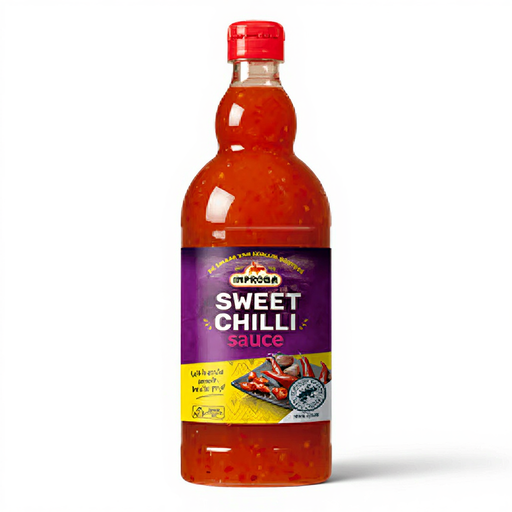
Why it suits this profile: The large bottle is suitable for households that regularly use sauce for dipping, marinating or preparing Asian dishes. The product information mentions using it with Oriental dishes, grilled chicken and as a dip for prawn crackers and raw vegetables.
The 850 ml quantity makes the size clear in advance. The ingredients list states 7.4% chilli pepper and 42 grams of sugar per 100 grams, helping you assess its sweet character.
Large pack, ready to use as a dip and, according to the product information, free from the 14 major EU allergens.
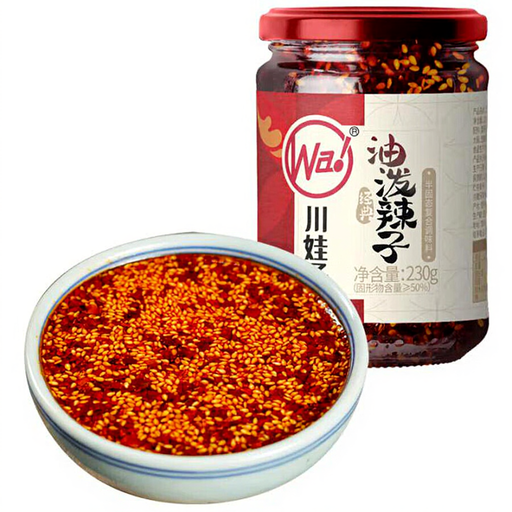
Why it suits this profile: If you are looking for more than just sweetness and heat, the product description says this blend combines chilli, Sichuan pepper, sesame and herbs. The oil can be used as a finishing touch or as a base for dressings and marinades.
The ingredients list makes the flavour profile easy to verify: chilli is listed at a minimum of 15%, alongside sesame, peanuts and Sichuan pepper. Check these allergens before buying.
230 grams, suitable for noodles, dumplings, salads and stir-fries; according to the product information, it can be stored at room temperature while unopened.
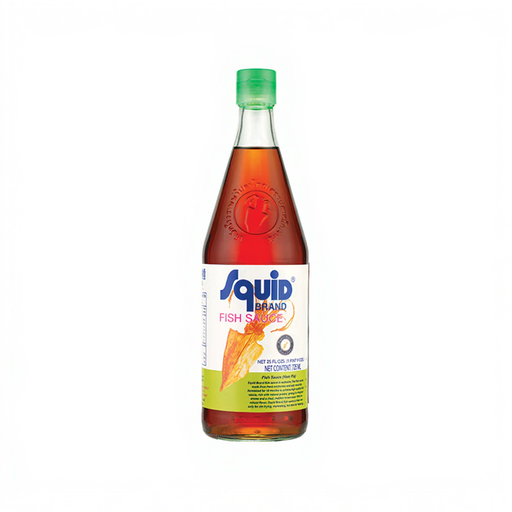
Why it suits this profile: This large bottle is designed for frequent use in stir-fries, marinades, soups and dipping sauces. The ingredients list contains 77% anchovy, salt and sugar.
The recipe is short and clear, so you will not mistake a sweet chilli sauce for a savoury fish sauce. The presence of fish is explicitly listed as an allergen.
725 ml for regular cooking, with an ingredients list containing anchovy, salt and sugar; suitable for Southeast Asian recipes.
We have put together a complete, up-to-date list of products that fully meet these strict selection criteria and the applicable European safety regulations.
It depends on the flavour you want. Soya sauce adds saltiness and umami, chilli oil brings heat and aroma, while mushroom sauce provides a savoury, thicker base. Start with a small amount and add vinegar, sesame oil or garlic if desired.
There is no set time that applies to all Asian sauces. Follow the instructions on the label. Many products need to be refrigerated after opening and used within a reasonable period. Close the bottle or jar securely and always use clean utensils.
Read the allergen information on the current packaging. Soya, wheat, sesame, peanuts, fish and molluscs are commonly found in Chinese sauces, Japanese sauces and Thai sauces. Do not rely solely on the product name or a general description on a webpage.
