
Vandaag of morgen in huis

Kwaliteit gegarandeerd

Welkomstaanbiedingen ontgrendelen: GRATIS bezorging | Tot 80% korting | Gratis 30 dagen JoyPlus-proefperiode
Download de app
A jar of Asian sauce can add plenty of flavour to a quick meal, but not every sauce works with every dish. A sweet Korean sauce behaves differently from a salty Chinese soy sauce, while a ready-made curry cooking sauce is all about convenience. If you choose based solely on attractive packaging or the word “authentic”, you could end up with a sauce that is too salty, too sweet, too spicy or inconveniently large.
This practical guide helps you compare Asian sauces by how they are used, their ingredients, allergens and storage instructions. That way, you can find a stir-fry sauce, cooking sauce, hotpot sauce, satay sauce or marinade that suits your kitchen.
A spicy sauce may contain chilli, chilli paste, Sichuan pepper or pepper extract. These ingredients do not create the same experience. Sichuan pepper, for example, is known for its tingling, numbing sensation, while chilli mainly adds heat. So check the ingredients list and, if in doubt, choose a smaller pack.
A 500-gram bottle or tin may seem appealing for families and frequent users. However, once opened, the sauce often needs to be refrigerated and may need to be used within a few weeks or days. If you only cook with it occasionally, 150 to 240 grams may be more practical. So do not just compare the price per pack; also check how long the sauce will keep after opening.
Light soy sauce, dark soy sauce and seasoned varieties differ in colour, saltiness, sweetness and intended use. A sauce for braised dishes, for example, is not always suitable as a dip. Check how the manufacturer describes the product: for stir-frying, marinating, braising, dipping or serving straight away.
Pay attention to the difference between:
Bulgogi sauce, for example, is often used with beef, chicken, tofu or vegetables. A hotpot sauce or stir-fry sauce may instead be fried briefly in oil before you add the remaining ingredients.
Nutritional values on the label are usually listed per 100 grams or 100 millilitres. This makes comparisons possible, but a typical serving may be smaller. Shinho Liuyuexian Premium Soy Sauce, for example, lists 14,1 grams of salt per 100 millilitres. Xiaoyeqingzhu Hot Pot Sauce Mild lists 12,1 grams of salt per 100 grams. Use sauces like these sparingly and do not automatically add extra salt.
The sugar content is also relevant for sweet sauces. Delief Korean Sweet & Spicy Sauce lists 35–42 grams of sugar per 100 grams. That works well as a sweet and spicy coating for fried chicken, but may be less suitable for a dish where you want to control the sweetness yourself.
Always check the current packaging, especially if you have an allergy or specific dietary requirements. Many Chinese and Korean sauces contain soya and wheat. Satay sauce often contains peanuts, while some curry cooking sauces may contain egg, mustard, celery or cereals containing gluten, among other ingredients.
Store unopened products according to the label. Many jars and bottles need to be refrigerated after opening. The recommended period of use varies from product to product: some sauces should be used within a few weeks, while ready-made meal sauces may need to be consumed within a few days.
The choices below are based on verifiable information from the product descriptions, such as contents, ingredients, preparation method and storage instructions.
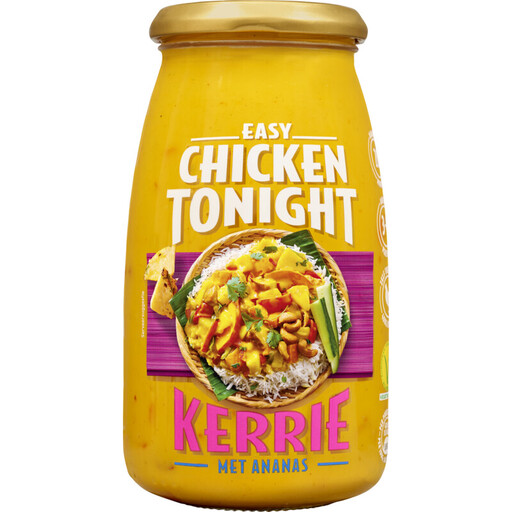
Why it suits this profile: This ready-made curry cooking sauce is designed for a quick meal with chicken and rice and, according to the product description, is suitable for 3 to 4 people.
The intended use and serving size are clearly stated. There is no need to combine a separate spice mix or extra base.
520 grams, a mild curry flavour, vegetables, pineapple and raisins; designed for quick preparation with rice.
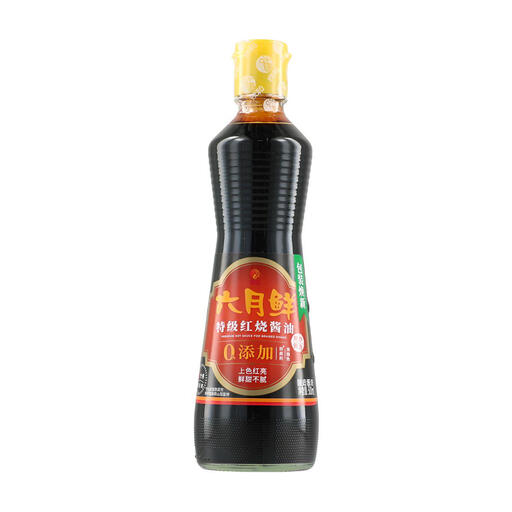
Why it suits this profile: This fermented soy sauce is specifically described for Chinese red-braised dishes, marinades and sauces.
The recommended dosage is provided: 50–80 millilitres per 500 grams of ingredients. This helps you control the flavour more precisely.
500 millilitres, designed for braising and marinating, with soya and wheat listed as allergens.
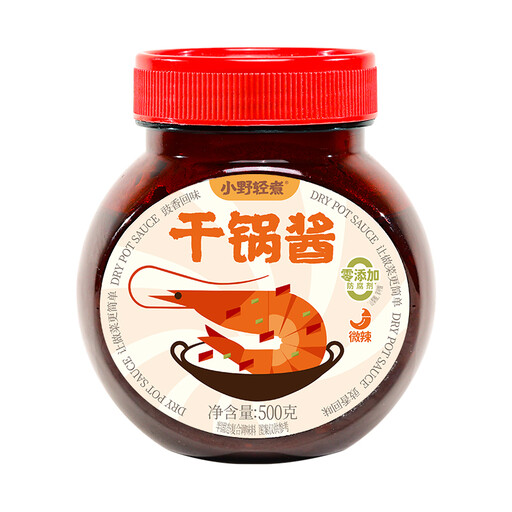
Why it suits this profile: The large pack is suitable for anyone who regularly prepares stir-fries, dry pot dishes, braised meat or vegetables.
The packaging states that it has a mild level of spiciness. This makes it a clearer choice than a sauce with only “spicy” written on the front.
500 grams, with 10% Pixian bean paste, black beans and Sichuan spices; refrigerate after opening.
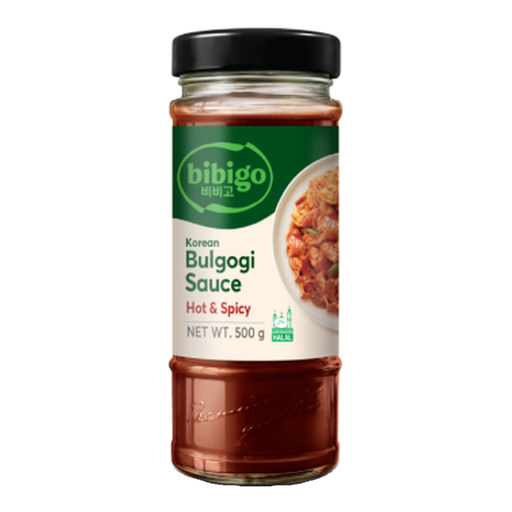
Why it suits this profile: This Korean marinade combines soy sauce, pear, garlic and onion and is suitable for meat, tofu, vegetables, barbecues and stir-fries.
The product description lists several specific uses. So you are not buying a sauce with just one stated purpose.
500 grams, suitable for marinating and stir-frying, with wheat and soya listed as allergens.
We have compiled a complete, up-to-date list of products that fully meet these strict selection criteria and the applicable European safety regulations.
A ready-made curry cooking sauce, satay sauce or Korean sweet and spicy sauce usually requires very little preparation. Check the stated serving size and combine the sauce with the ingredients it is intended for. Chicken Tonight Satay, for example, contains peanuts and is intended for a rice dish with vegetables, among other ingredients.
You usually add a stir-fry sauce while cooking to flavour vegetables, meat, tofu or noodles. A marinade is used beforehand so that the ingredients can absorb the flavour. Some products, such as bulgogi sauce, are described as suitable for both uses. However, always check whether the sauce needs to be heated.
This varies from product to product. Some sauces need to be refrigerated after opening and used within a few weeks. Other ready-made meal sauces state a shorter period, such as a maximum of a few days when refrigerated. The information on the current packaging takes precedence.
