
Vandaag of morgen in huis

Kwaliteit gegarandeerd

Welkomstaanbiedingen ontgrendelen: GRATIS bezorging | Tot 80% korting | Gratis 30 dagen JoyPlus-proefperiode
Download de app
Anyone buying Asian sauces online will soon find dozens of bottles with similar names. Soy sauce can be light and salty, but also dark and sweet. Chilli sauce may be intended as a dip, marinade or base for a stir-fry sauce. Simply judging by the label or eye-catching packaging can therefore lead to the wrong purchase.
This guide helps home cooks, fans of Thai and Chinese sauces, expats and professional kitchens make the right choice.
Not every soy sauce works in the same way. Light soy sauce is generally suitable for marinades, soups, dips and seasoning stir-fries. Dark soy sauce often has a thicker consistency, deeper colour and sweeter flavour. It is more commonly used for stews, noodles and dishes where colour is important.
Fish sauce, oyster sauce, sweet soy sauce and teriyaki sauce each have their own purpose. Sweet soy sauce cannot simply be replaced with a salty light soy sauce without adjusting the recipe.
Words such as “traditional”, “rich in flavour” or “authentic” mean little without an ingredients list. So check:
According to brands’ product information, ingredients and nutritional values can vary considerably between versions. For the most up-to-date information, always check the label on the packaging.
A bottle weighing 700 to 970 grams may seem good value, but it makes most sense if you regularly cook stir-fries, marinate food or cook for several people. For occasional use, a 200 to 450 ml bottle may be more practical. After opening, follow the storage advice and seal the packaging properly.
First decide what you need the sauce for:
A short ingredients list does not automatically mean that a product suits every diet. Light soy sauces often contain soya, wheat and salt. Oyster sauce and fish sauce contain fish or shellfish ingredients. Some Chinese sauces also contain peanuts, sesame and wheat.
If you have an allergy, always check the full packaging. Product descriptions can change, and the information on the label takes precedence.
Compare bottles by both volume and composition. A large pack is useful for restaurants or frequent users, but also check the sugar and salt content per 100 ml or 100 grams. This makes products easier to compare than looking at the price per bottle alone.
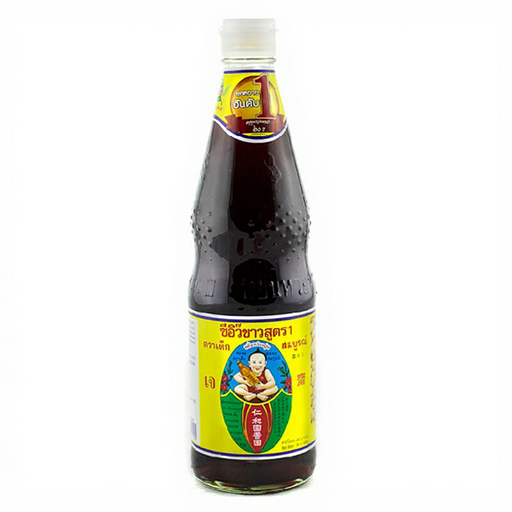
Why it suits this profile: A versatile base for anyone starting out with Thai sauces, stir-fries, soups and marinades at home. The 700 ml bottle is suitable for regular use.
The product information clearly lists uses such as stir-frying, soup, marinades and dips. This means the sauce is not limited to just one type of recipe.
700 ml volume; contains soya and wheat; suitable for cooking, marinating and dipping according to the product description.
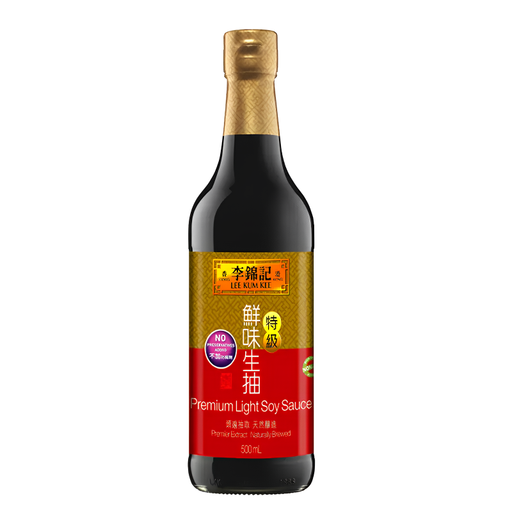
Why it suits this profile: A light Chinese soy sauce for anyone who values a clear ingredients list and a range of uses.
The product information lists water, soya beans, wheat, salt, sugar and yeast extract. Dips, marinades and cooking are also listed as uses.
500 ml bottle; made with soya beans and wheat; according to the product information, sourced from China.
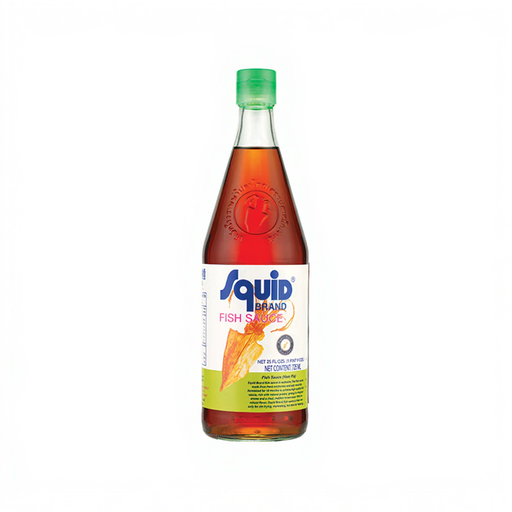
Why it suits this profile: A large bottle for people who regularly make Thai or Vietnamese dishes, or need a supply for a professional kitchen.
The label lists 77% anchovies, salt and sugar. This makes it clear that it is fish sauce rather than a general-purpose soy sauce.
725 ml volume; suitable for marinades, soups, dips and stir-fries; contains fish.
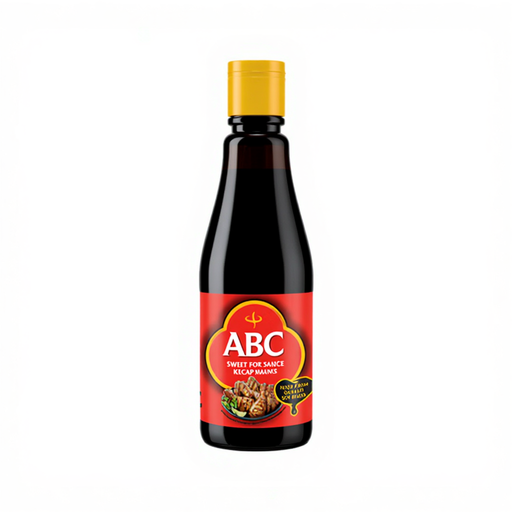
Why it suits this profile: The thick, sweet consistency works well with nasi, marinades, satay, noodles and Indonesian stir-fries.
The product information explicitly states “kecap manis”, a thick, sweet soy sauce. This makes its intended use clearer than that of a general stir-fry sauce.
600 ml volume; suitable for marinades, dips and stir-frying; contains soya, wheat and sulphites according to the product information.
We have put together a complete, up-to-date list of products that fully meet these strict selection criteria and the applicable European safety regulations.
When trying a new sauce, start with a small amount. Fish sauce, light soy sauce and oyster sauce in particular can add a lot of salt very quickly. Taste the dish, then add acid, sweetness, oil or chilli if needed.
For a simple stir-fry base, you could combine light soy sauce with garlic, ginger and a little rice vinegar. For a sweeter version, teriyaki sauce, sukiyaki sauce or kecap manis is a better choice. Chinese sauces such as chilli oil or a thicker soy sauce are suitable when you want more colour, oil or crunch. Fish sauce, chilli sauce and sweet sauces are often combined in Thai dishes.
Store the bottle according to the label: usually in a cool, dry place away from direct sunlight. Keep the packaging tightly closed after opening. Some products recommend refrigeration; follow the manufacturer’s instructions.
Light soy sauce is a practical starting point. Add oyster sauce for extra depth, and use chilli sauce or chilli oil for heat. For Indonesian recipes, kecap manis is often more suitable because of its sweet, syrupy consistency.
Light soy sauce is generally thinner and is used to season dishes. Dark soy sauce is often thicker, darker and sweeter, and is used more for colour, marinades, noodles and stews. Always check the ingredients and usage instructions for the specific bottle.
Shelf life varies by type and brand. Check the date and any period-after-opening information on the packaging. Store the bottle sealed in a cool, dry place and refrigerate the product if the label recommends it.
