
Vandaag of morgen in huis

Kwaliteit gegarandeerd

Welkomstaanbiedingen ontgrendelen: GRATIS bezorging | Tot 80% korting | Gratis 30 dagen JoyPlus-proefperiode
Download de app
A jar of Asian sauces and seasonings can add plenty of character to a quick meal. But it isn’t always obvious whether a product will be a useful flavour booster or a disappointing purchase. Attractive packaging tells you little about how to prepare it, how long it will keep or how much salt it contains. Terms such as “authentic” and “traditional” often come from the brand’s product description and are not independent assessments of quality.
This guide helps you compare sauces and seasoning mixes by looking at how to use them, their ingredients, allergens, nutritional information and storage instructions.
Not every Korean sauce or Chinese cooking sauce can be eaten straight from the pack. Some products are intended as a base for a dish and need to be heated first. A Suan Cai Yu seasoning mix, for example, may contain several sachets of sauce, pickled vegetables and marinade powder. You’ll need fish, water and a pan to prepare it.
So always check whether the label says that the product is:
A 250- or 300-gram jar may look attractively priced, but a highly concentrated sauce is often used a tablespoon at a time. On the other hand, a larger pack, such as a 1,134-gram bottle, can be handy if you use it regularly, but less suitable if you only make kimchi or noodles occasionally.
Don’t compare just the price per pack. Consider the quantity, how much you expect to use per meal and how long it will keep once opened.
Many Asian seasonings contain soya, wheat, fish, crustaceans, mustard, sesame or gluten. A fish sauce seasoning mix or kimchi base may also combine ingredients from several allergen groups. Always read the full allergen information on the packaging, especially if you’re cooking for guests.
Salt content can also vary considerably. Wang Zhi He Leek Flower Sauce, for example, lists 15.8 grams of salt per 100 grams. This is a seasoning you’d usually use in small amounts, rather than serve as a regular portion of sauce.
First, decide what you want to make:
Look out for the difference between a single seasoning and a complete kit. According to the product information, Baijia Pickled Vegetable Fish Flavor Seasoning contains pickled mustard greens and a stock base. The preparation instructions recommend, among other things, 800 to 1,000 ml of water and fish fillet.
Check the first ingredients on the list. Tongdayi Pickled Vegetable Sauce is made up of 32.45% pickled green vegetables. It also contains ingredients including soya bean oil, Pixian bean paste, wheat and flavour enhancer E621. This gives you a clearer picture of the product than the name “pickled vegetable sauce” alone.
In a kimchi base, garlic, chilli, fermented vegetables, sugar and vinegar can all contribute to the flavour. According to the product description, DELIEF Kimchi Base Sauce contains soya and wheat. Ajumma Republic Kimchi Sauce also lists soya, wheat and barley, and contains alcohol. Always check the current label, as ingredients and allergens may vary between batches or markets.
Some products can be stored at room temperature unopened, but need to be refrigerated once opened. Examples include:
Follow the best-before date and the instructions on the packaging. Use a clean spoon and seal the jar tightly.
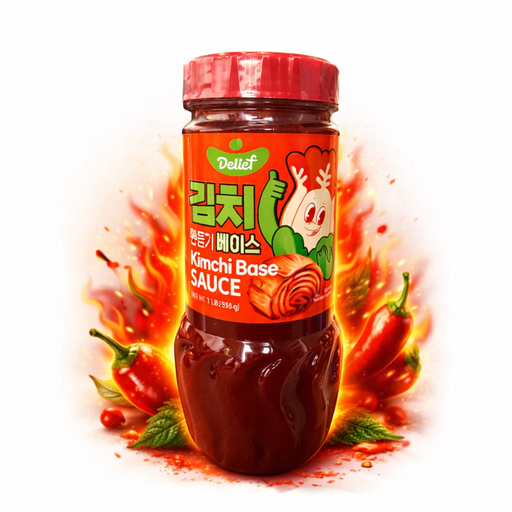
Why it suits this profile: A versatile base for anyone who wants to use one jar to make kimchi, rice, noodles and stir-fries.
The product description lists several uses, so you won’t be buying a sauce for just one dish. Do check the listed soya and wheat allergens.
453 grams; according to the product information, suitable as a seasoning, marinade, dip and base for stir-fries.
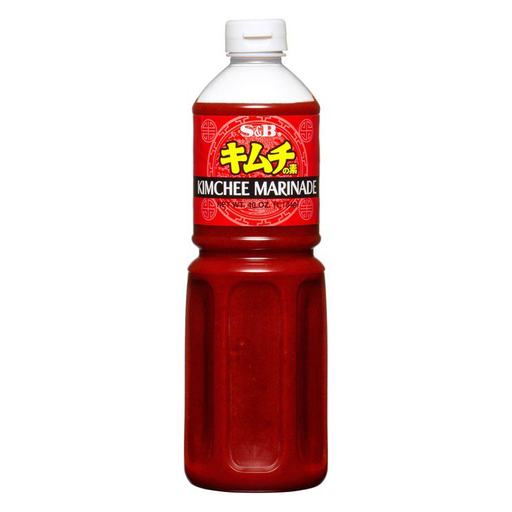
Why it suits this profile: The large pack is a good fit for households that regularly make kimchi, marinades, hotpot or dips.
At 1,134 grams, the pack could work out cheaper per use if you cook regularly. If you’ll only use it occasionally, check how long it keeps once opened.
Large pack; according to the product description, suitable for marinades, hotpot and dips. Contains fish, soya and wheat.
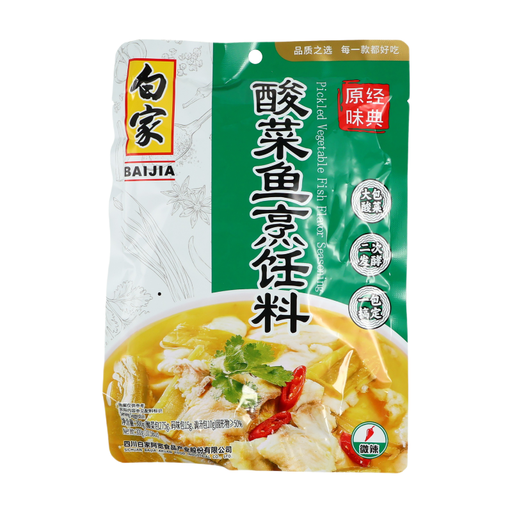
Why it suits this profile: Aimed at home cooks who want to make Suan Cai Yu without sourcing sauce, pickled vegetables and seasonings separately.
The preparation instructions make it clear that cooking is required and tell you how much water and fish to add. That way, you won’t mistake it for a ready-to-use dip for a hot fish dish.
300 grams; according to the product information, contains pickled mustard greens and a spicy stock base. Contains soya and wheat.
We’ve put together a complete, up-to-date list of products that meet these strict selection criteria and the applicable European safety requirements.
A versatile kimchi base or Korean sauce is usually a practical choice if you want to make a range of dishes. Check whether the product is suitable both for use as it is and for cooking. According to the product description, a product such as DELIEF Kimchi Base Sauce can be used for rice, noodles, stir-fries, marinades and dips.
It depends on the product. Some sauces need to be refrigerated straight away and used within a few days; others give a shelf life of several weeks. Always check the label, storage conditions and the instruction stating how soon to use the product after opening. The date on an unopened pack doesn’t automatically tell you how long it will keep once opened.
Choose a complete seasoning mix with clear cooking instructions. With a Suan Cai Yu seasoning mix, you’ll usually add water, fish and sometimes extra vegetables. For hotpot, you can choose a kimchi, miso or Sichuan base and serve a separate dip alongside it. Compare the salt content, allergens and number of extra ingredients you’ll need beforehand.
