
Vandaag of morgen in huis

Kwaliteit gegarandeerd

Welkomstaanbiedingen ontgrendelen: GRATIS bezorging | Tot 80% korting | Gratis 30 dagen JoyPlus-proefperiode
Download de app
A bottle of teriyaki sauce, a jar of curry paste or a large bottle of fish sauce may seem like a quick purchase. Yet Asian sauces and seasonings vary considerably in salt content, allergens, preparation method, packaging and shelf life. A product that works well in a stir-fry is not automatically suitable as a dip or marinade.
The following pitfalls regularly cost home cooks money:
A Thai curry paste, such as panang or green curry paste, usually forms the base of a dish. You might add coconut milk, vegetables, tofu, meat or fish. Tom Yum paste is intended to create a sour, spicy soup base, but can also be used in a stir-fry or marinade.
A teriyaki sauce or ready-made Asian marinade is simpler for grilling, stir-frying and cooking tofu. However, check whether the sauce is intended for direct use or mainly as a cooking ingredient. Some products need to be refrigerated after opening.
An Asian seasoning mix works differently again. A Chinese five-spice mix for tea eggs, for example, is simmered with the dish rather than used as a table sauce. Chinese fish seasoning for fish may be intended for hotpot or soup and should be heated according to the product instructions.
Do not just compare the front of the packaging. Look for:
For vegetarians and vegans, the ingredients list is more important than the product name. Sunlee Thai Panang Curry Paste - 400 g is described as vegan in the product information, while oyster sauce and fish sauce contain animal-derived ingredients. If you have allergies, always check the current packaging, as recipes and labels may change.
Fish sauce is concentrated. Thanh Ha Fish Sauce - 720 ml, for example, states 23.3 g of salt per 100 ml; Squid Fish Sauce 725 ml states 25.2 g of sodium per 100 ml in the product information. Use sauces like these sparingly and taste before adding extra salt.
Hoisin sauce and oyster sauce often contain sugar. Lee Kum Kee Hoisin Sauce - 210 g states 45 g of sugar per 100 g, while Yeo’s Hoi Sin Sauce 250 ml states 42.6 g of sugar per 100 g. This makes them suitable for a sweet-and-savoury glaze, but not for every recipe.
Choose the size according to how much you use. A small bottle is usually the more sensible choice for occasional use. Large packs, such as Lee Kum Kee Panda Brand Oyster Sauce 907 g, are particularly practical if you often stir-fry, marinate or cook for several people. Store opened products according to the label; for various sauces, this means refrigerating them and using them up promptly.
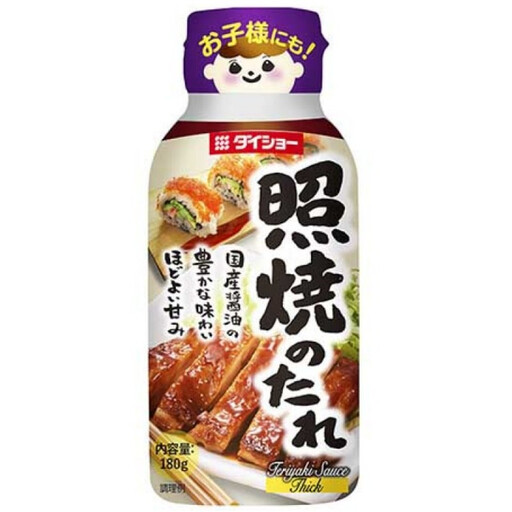
Why it suits this profile: The 180 g bottle is a manageable size for anyone who wants to try teriyaki at home without immediately building up a large stock. Suitable for stir-fries, grilling, tofu and vegetables.
The size helps reduce the risk of waste. The product information lists soya and wheat, allowing you to check in advance whether it suits your diet.
Ready to use; suitable as a sauce, glaze or marinade; described as suitable for vegetarians according to the product description.
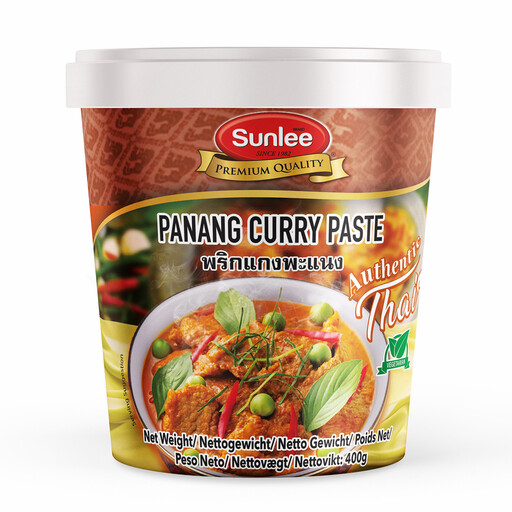
Why it suits this profile: This curry paste provides a versatile base for Thai curries, stir-fries, soups and marinades. The size suits home cooks who regularly prepare dishes with Thai flavours.
The ingredients are clearly specified, including dried chilli, lemongrass, galangal, kaffir lime and coriander seeds. The product information also lists soya as an allergen.
400 g contents; described as vegan according to the product information; free from artificial colourings and preservatives according to the listed product details.
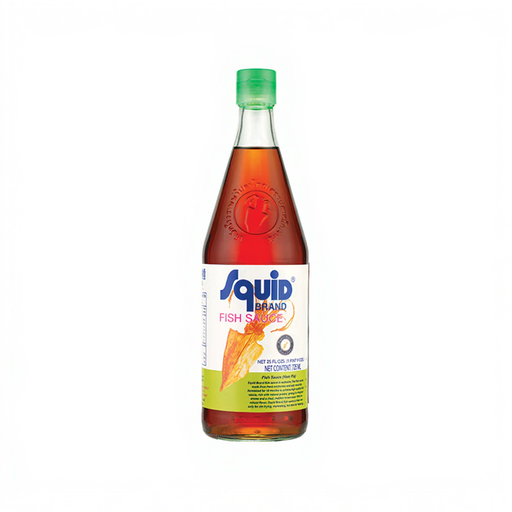
Why it suits this profile: The large bottle is practical for anyone who often prepares South-East Asian dishes, marinades, soups and dips, or cooks for several people.
The main ingredient and its percentage are stated: 77% anchovies. This allows you to compare the composition rather than relying solely on the packaging.
725 ml contents; suitable for stir-fries, soups, dips and marinades; contains fish, which is clearly listed as an allergen.
For a Thai meal, you can complement a curry paste with coconut milk, lime and fresh vegetables. According to the product description, Aroy-D Authentic Thai Tom Yum Paste 400 g is intended for Tom Yum soup, but can also be used in stir-fries and marinades. For this product, check the statement that it may contain traces of shellfish and nuts.
For Chinese dishes, hoisin sauce and oyster sauce provide a sweet-and-savoury base. Hoisin sauce goes well with dumplings, spring rolls, roasted meat and stir-fried vegetables. Oyster sauce works particularly well in stir-fries and marinades. For a vegetarian meal, you can choose a product without fish or molluscs, but always check the ingredients list.
Japanese sauces such as teriyaki sauce work well with chicken, fish, tofu and vegetables. Satay sauce is a practical choice for Dutch barbecue dishes and Asian meals; according to the product information, Remia Satay Sauce - 325 g is offered as plant-based and gluten-free, but it does contain peanuts, soya and lupin.
For fish dishes, choosing the right sauce and preparation method is particularly important. So also browse the range of seasonings for seafood if you want to compare Chinese fish seasoning, marinades or other flavourings for fish.
We have put together a complete, up-to-date list of products that fully meet these strict selection criteria and the applicable European safety regulations.
A small bottle of teriyaki sauce is an accessible choice because you can use it straight away for stir-fries, grilling, tofu and vegetables. If you would rather make soup or curry, you can choose a Thai curry paste or Tom Yum paste. Check in advance how many additional ingredients and how much liquid are required.
This varies by product. Store opened sauces according to the label, often tightly sealed in the refrigerator. Look out for changes in smell, colour, mould and texture. The best-before date and storage instructions are shown on the packaging; do not use a product if its packaging is damaged.
Not always. Fish sauce and oyster sauce contain fish or molluscs. Teriyaki sauce may be suitable for vegetarians, but often contains soya and wheat. Curry pastes vary from one recipe to another. Always check the current ingredients and allergen information on the packaging before buying or serving.
