
Vandaag of morgen in huis

Kwaliteit gegarandeerd

Welkomstaanbiedingen ontgrendelen: GRATIS bezorging | Tot 80% korting | Gratis 30 dagen JoyPlus-proefperiode
Download de app
A jar of Asian sauces and pastes can add plenty of flavour to a quick meal, but not every variety works with every dish. A Korean paste for bibimbap is different from a Thai curry paste, while a sweet black bean sauce won’t give you the same result as a salty bean paste. If you choose based only on the packaging, where it comes from or appealing claims, you could end up with a product that’s too salty, too spicy or an awkward size.
This guide will help you compare sauces and pastes by their ingredients, uses, allergens and storage requirements.
Ssamjang, doenjang and gochujang are Korean condiments, but each has different uses:
So a jar labelled “Korean sauce” might have a very different role in the kitchen from the one you expect. Always check the suggested uses and ingredients list.
Spice level and nutritional value are two different things. For example, the product information for Ssamjang Mild Seasoned Soybean Paste lists 5 grams of salt and 24 grams of sugars per 100 grams. Bibigo Vegan Gochujang Red Pepper Paste contains 4.5 grams of salt and 22 grams of sugars per 100 grams.
If you use a sauce as the base for a whole pan of food, the amount can quickly add up. So check the figures per 100 grams, rather than relying on terms such as mild, authentic or traditional.
A 400- or 500-gram jar may seem appealing if you use it often, but some pastes need to be refrigerated once opened and used within a certain time. For occasional use, a 120- to 250-gram pack may be more practical. Compare the price per 100 grams as well as the storage instructions.
Many Asian condiments contain soya, wheat, sesame, peanuts or several of these allergens. This applies, for example, to various Korean sauces, peanut sauces and sesame pastes.
If you’re choosing a plant-based product, don’t rely on the word vegan in the product name alone. Check the current packaging too. A Thai vegan curry paste may be suitable for a plant-based diet, while other curry pastes may contain fish or shellfish ingredients.
Examples from the range:
If you have an allergy, always check the label on the product you receive. Recipes and packaging information may change.
Choose your dish first, then pick a sauce:
According to the product information, Thai Dancer Tamarind Paste contains tamarind pulp and water. This makes it a good tangy base for sauces, curries and marinades. You’ll often want to combine it with ingredients such as sugar, chilli, soya sauce or coconut milk.
Check whether the jar needs to be kept in the fridge. For Ding Hao Peanut Seasoning Sauce, the product information says to refrigerate after opening and use within one month. Jixiangju Mushroom Sauce for Rice also needs to be refrigerated after opening and used promptly.
Store unopened jars in a cool, dry place away from direct sunlight. Don’t use a product if its packaging is damaged, and follow the use-by information on the label.
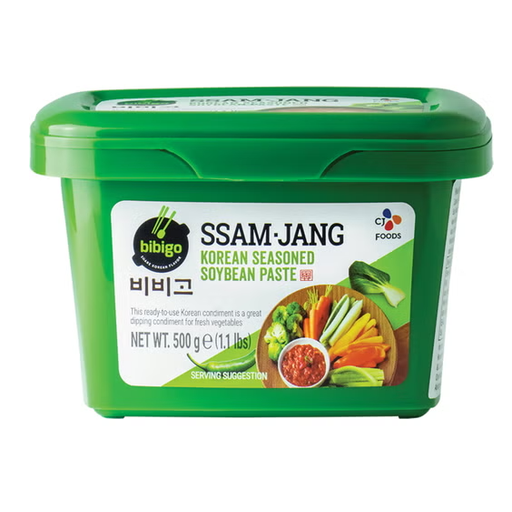
Why it suits this profile: This ssamjang is ready to use as a dip, seasoning or marinade. The 500-gram pack is ideal if you regularly cook Korean dishes.
The product description lists specific uses, including lettuce wraps, dips, grilled dishes and marinades. That makes it clearer what you’re buying the paste for.
According to the product information, it contains soya, wheat, barley and sesame. The nutritional information lists 7.1 grams of salt per 100 grams.
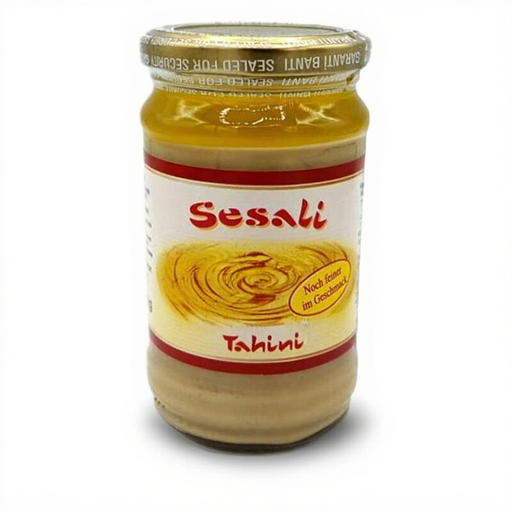
Why it suits this profile: If you’re looking for a versatile base for hummus, dressings, dips and sauces, this product has a short ingredients list.
According to the product information, the paste is made from 100% sesame seeds. There are no extra flavourings to make sense of in the ingredients list.
100% sesame seeds, a 300-gram pack and plenty of uses in hummus, dressings, and Eastern Mediterranean or Asian recipes.
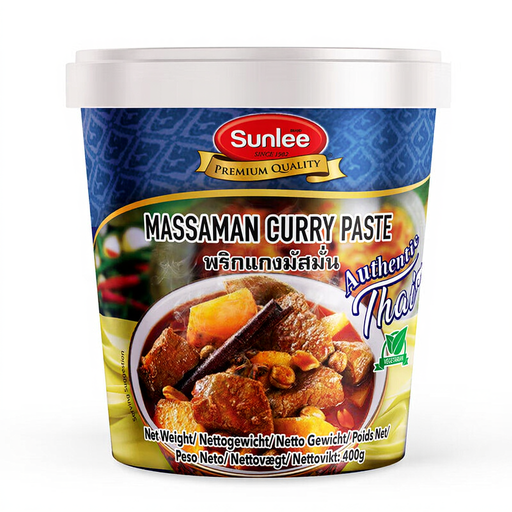
Why it suits this profile: This generous jar is for anyone who regularly makes curries, stews, marinades or soups without animal ingredients.
The product information confirms it’s suitable for vegan cooking and gives clear preparation instructions using coconut milk, vegetables, tofu or plant-based protein sources.
400 grams; according to the product information, it contains no artificial colourings or preservatives and can be used in several ways.
We’ve put together a complete, up-to-date list of products that meet these strict selection criteria and the applicable European safety regulations.
A versatile stir-fry sauce, mild ssamjang or peanut sauce is easy to use. Start with a small amount and mix it with vegetables, noodles, rice or tofu. Remember to check the salt content and allergens first.
It depends on the product. Some jars need to be refrigerated after opening and used within a certain time. Always follow the instructions on the packaging. Use a clean spoon to keep crumbs and moisture out of the jar.
Tahini is a paste made from ground sesame seeds. Hummus is usually made with chickpeas, tahini, lemon juice, water, salt and sometimes garlic. Tahini is an ingredient or a base for dips, while hummus is a prepared spread.
