
Vandaag of morgen in huis

Kwaliteit gegarandeerd

Welkomstaanbiedingen ontgrendelen: GRATIS bezorging | Tot 80% korting | Gratis 30 dagen JoyPlus-proefperiode
Download de app
A jar of Asian sauces and marinades can add plenty of flavour to a quick stir-fry, barbecue or rice dish. However, not every sauce suits every dish. A Bulgogi sauce works differently from a teriyaki sauce, and a curry paste usually requires extra ingredients and preparation time.
The main pitfalls often lie not in the flavour, but in the product choice. So pay attention to the intended use, allergens, salt and sugar content, and storage instructions.
Terms like Korean BBQ sauce, stir-fry sauce or Japanese kabayaki sauce give a first impression, but don't always tell you how to use the product. Some sauces are intended as a marinade for beef, while others work better as a glaze, dipping sauce or dressing.
So check the following:
A sauce for stir-fry dishes, for example, can be added straight to the pan. A marinade for chicken or beef, on the other hand, needs time to infuse the ingredient with flavour.
Many Asian seasonings contain sugar, glucose syrup, soy sauce or salt. This applies to teriyaki sauce, Bulgogi sauce and sweet chilli sauce, among others. The nutritional values per 100g help you compare products more fairly.
For instance, the O'Food Korean BBQ Galbi Marinade for Beef 280g lists 30g of sugar and 4g of sodium per 100g. The Chung Jung One Korean Sauce & Marinade (Beef) lists 28.2g of sugar and 5.6g of salt per 100g. This makes these products suitable for a punchy marinade, but you usually won't need to add extra salt to the dish.
Soy sauce often contains soya and wheat. As a result, gluten and soya can be present in many Korean, Chinese and Japanese sauces. Some products also contain oyster extract, prawns, peanuts or sesame.
Always read the label on the packaging. Product information on a website can change, and the packaging may include additional warnings. If you have an allergy, it's wise not to rely solely on the product name.
First, be clear about what you want to cook:
A curry paste is therefore not a ready-to-use sauce. For Mae Ploy Panang Curry Paste 400g, for example, it states that you first fry the paste, then add coconut milk, and finally let your chosen ingredients cook through.
Look at the first ingredients in the ingredients list. According to European labelling rules, these are listed in descending order of quantity. A lot of sugar near the top indicates a sweeter sauce; chilli, pepper or fermented beans give more heat and savouriness.
Examples:
Compare the content with your cooking habits. A 240ml bottle is practical if you stir-fry occasionally. A 400g to 500g pack suits families or regular use better, but requires more attention to refrigeration and shelf life after opening.
Always follow the packaging for the best-before date and the period after opening. Many products need to be refrigerated once opened. Do not use a pack if it is damaged.
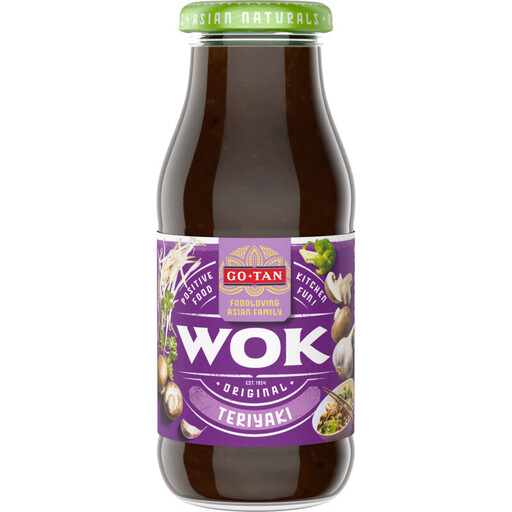
Why this fits the profile: According to the product description, the sauce is ready to use and intended for a stir-fry dish with meat, fish or vegetables. It can also be used as a dressing or marinade.
The application and suggested quantity are described, so you have less guesswork when making your first stir-fry.
240 ml; vegetarian according to the product information; no added preservatives or artificial colours and flavours according to the manufacturer.
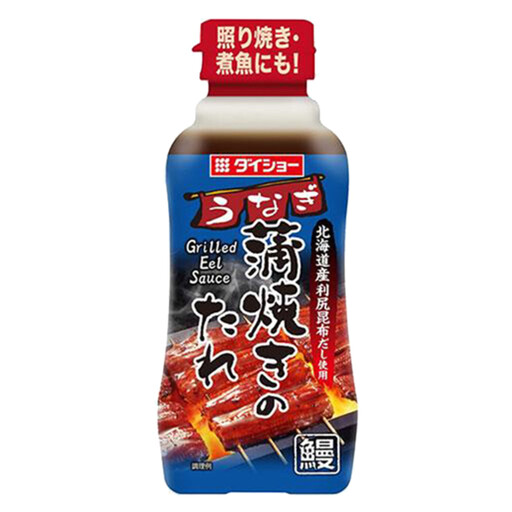
Why this fits the profile: Suitable for lovers of Japanese dishes who want one sauce for grilling, rice, sushi, vegetables and as a dip.
The product description mentions multiple uses, so you don't have to use the bottle just for eel.
240 grams; can be used as a marinade, glaze, dip or finishing drizzle; contains soya and wheat according to the available product information.
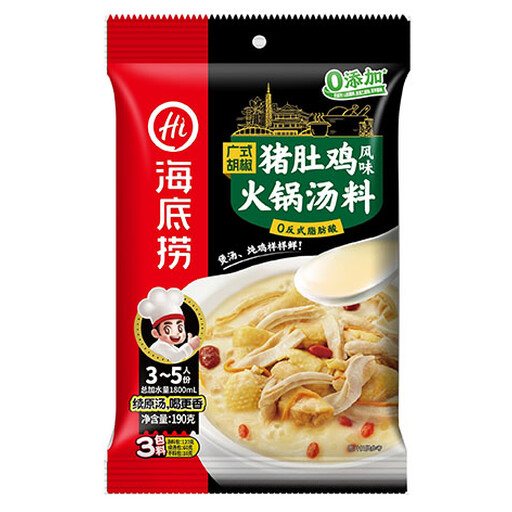
Why this fits the profile: Aimed at dinner parties where multiple ingredients are cooked together, such as meat, seafood, vegetables and noodles.
The preparation states 1,200 ml of water and a simmering time of 3 to 5 minutes. This makes it clear how to use the base.
190 grams; consists of a spice base and a separate dry ingredient pack; contains soya, wheat and peanuts according to the label.
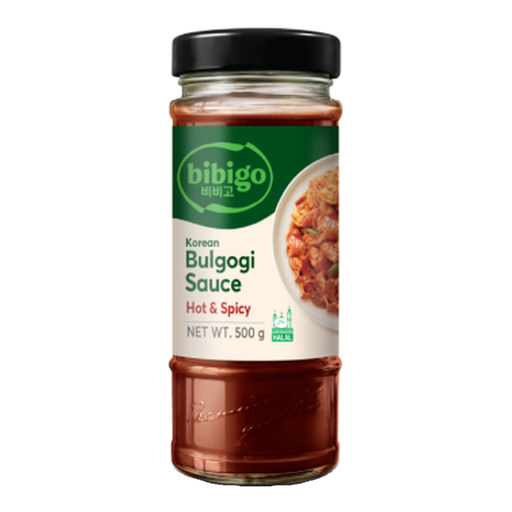
Why this fits the profile: The product description mentions beef, chicken, tofu and vegetables as uses, alongside barbecue, wok cooking and stir-frying.
The application is broader than just beef. You can use the same sauce for different protein sources and vegetables.
500 grams; contains soya and wheat according to the label; the nutritional information lists 33g of sugar and 5.7g of salt per 100g.
We've put together a full, up-to-date list of products that fully meet these strict selection criteria and comply with current European safety regulations.
That depends on the product and the ingredient. Thin slices of beef absorb flavour relatively quickly; chicken and thicker cuts of meat need more time. Follow the instructions on the label and keep meat refrigerated while marinating. Do not reuse a marinade that has come into contact with raw meat as a dipping sauce, unless you heat it through first.
This varies by product. Some sauces can be stored in a cool, dry place according to the packaging, while others need to be refrigerated after opening. Always check the label and seal the packaging tightly. For products such as curry paste, hotpot base and blended sauces, refrigeration after opening is often part of the storage advice.
Start with less sauce than the maximum amount and taste only at the end. Add extra vegetables, noodles, rice or unsalted ingredients if the flavour is too strong. When using a salty soy sauce base, do not add extra salt and also watch out for other salty ingredients, such as stock or pickled vegetables.
