
Vandaag of morgen in huis

Kwaliteit gegarandeerd

Welkomstaanbiedingen ontgrendelen: GRATIS bezorging | Tot 80% korting | Gratis 30 dagen JoyPlus-proefperiode
Download de app
Buying a bottle of Asian sauce seems simple enough – until you’re faced with a shelf or an online range of Chinese sauces, Korean sauces and Thai sauces in all sorts of sizes. A dark sauce isn’t automatically soy sauce, and a product labelled “authentic” or “traditional” doesn’t tell you how it will work in your kitchen.
With this practical selection guide, you can focus on flavour, ingredients, usage and pack size. That way, you’ll avoid a bad buy and choose a sauce that really suits stir-fries, noodles, rice, marinades or dips.
Soy sauce, soybean paste and black bean sauce all have different textures and uses. A thin soy sauce is handy for stir-frying and marinades, and as a table seasoning. A thick soybean paste works better as a base for stews, noodles or a dipping sauce.
Even a “mushroom sauce” can vary. Some versions contain shiitake, while others rely mainly on soy, oil, sugar and flavour enhancers. So don’t just look at the front of the pack – check the ingredients list too.
A vegetarian sauce may contain ingredients such as milk, egg or other animal-derived components. If you’re choosing a vegan option, always check the product information. The Bibigo Vegan Gochujang Red Pepper Paste is made without animal products according to the product description, but it does contain wheat and soy.
Also look out for allergens such as soy, wheat, gluten, sesame and peanuts. This information is mandatory on labels in the EU, but the exact composition can vary from product to product.
A bottle of 800 grams or millilitres might look appealing if you cook often. However, once opened, a product usually needs to be refrigerated and used within a certain period. For occasional use, a pack of 150 to 300 grams can be more practical.
Also check the salt and sugar content per 100 grams or 100 millilitres. Sauces are typically used in small amounts, but they vary widely. For example, the product information for Qian He Soybean Sauce states 15.6 grams of salt per 100 ml, while other fermented sauces have a different composition.
First, decide which type of sauce you need:
A stir-fry sauce is often ready to use, whereas a pure paste or soy sauce leaves room for you to add garlic, ginger, oil, sourness or sweetness yourself.
Terms like “naturally brewed” or “traditionally fermented” are product claims. According to the product description, Qian He sauce is naturally brewed for 180 days and contains water, soybeans, wheat, salt and sugar. These are verifiable details from the product specification, not a general guarantee of taste preference.
Other products may contain flavour enhancers, preservatives or colourings. The Jixiangju Mushroom Sauce Spicy lists E621 and E635 among its ingredients. That doesn’t automatically make the sauce unsuitable, but it is relevant information if you’re deliberately looking for a short ingredients list.
Don’t just compare the price – also compare the volume and how much you use per serving. Look out for:
For a household that cooks Asian food a few times a month, a medium-sized jar can be a sensible choice. Heavy users will get more from a larger pack or from having several flavour profiles on hand.
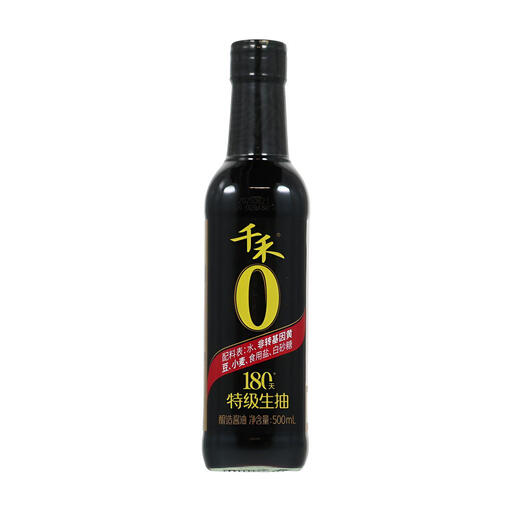
Why this suits the profile: A versatile liquid soy sauce for everyday use in stir-fries, marinades, dressings and as a dipping sauce.
The product information lists the full basic ingredients: water, soybeans, wheat, salt and sugar. This makes it easier to judge the type of sauce.
500 ml volume; naturally brewed for 180 days according to the product description; contains soy and wheat.
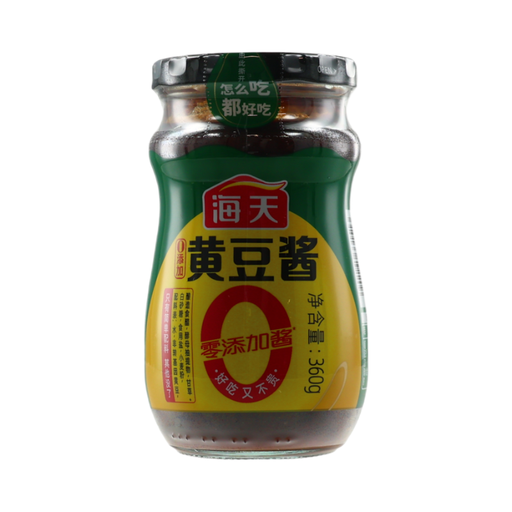
Why this suits the profile: For anyone looking for a thick Chinese soybean paste with a short ingredients list for zhajiangmian, stews and hotpot dips.
The product description lists only water, soybeans, wheat and salt. Always check the packaging and be aware of the allergens present.
360 grams; ready to use; suitable as a dip, cooking sauce and base for noodle dishes.
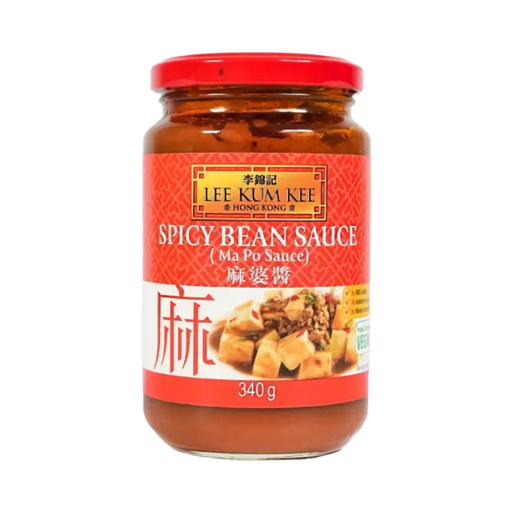
Why this suits the profile: For cooks who want a pronounced black bean sauce for stir-frying, steaming, marinating and dishes featuring tofu or aubergine.
The product information clearly states that it contains 35% fermented black beans, chilli and garlic. So you know it’s a powerful, spicy sauce and not a neutral stir-fry sauce.
340 grams; ready to use; suitable for steaming, stir-frying and marinades; contains soy.
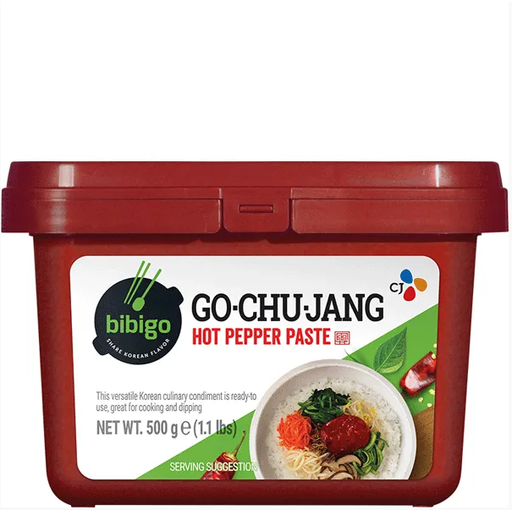
Why this suits the profile: A Korean chilli paste with no animal ingredients, for bibimbap, tofu, noodles, dressings, stews and marinades.
The product description explicitly states that the paste is vegan. The ingredients list does mention wheat and soy, so check allergens before purchasing.
570 grams; vegan according to the product information; can be used as a marinade, dressing, cooking sauce and dip.
We’ve put together a full, up-to-date list of products that fully meet these strict selection criteria and comply with current European safety regulations.
That depends on the result you’re after. Use soy sauce as a base for a light stir-fry sauce or marinade. Choose black bean sauce for a powerful, savoury flavour. A mushroom sauce works well with rice, noodles, tofu and vegetables. Add a small amount and taste before using extra salt.
Gochujang is a Korean fermented chilli paste with sweetness and heat. You’ll often use it in marinades, stews, dressings and rice dishes. Ssamjang is a thicker Korean dip that can contain soybean paste, garlic, onion, sesame and chilli. It’s intended for lettuce wraps, vegetables and barbecue dishes.
Always follow the storage advice on the label. Many Asian sauces need to be refrigerated after opening. Use a clean spoon, seal the jar well and keep an eye on the smell, colour and texture. The shelf life varies from product to product; the date on the pack and the manufacturer’s instructions are your best guide.
