
Vandaag of morgen in huis

Kwaliteit gegarandeerd

Welkomstaanbiedingen ontgrendelen: GRATIS bezorging | Tot 80% korting | Gratis 30 dagen JoyPlus-proefperiode
Download de app
A bottle of Asian sauce can add plenty of flavour to a quick stir-fry, but not every sauce suits every dish. The range includes Chinese and Thai sauces, Korean sauces, Vietnamese chilli sauce and curry paste. If you rely solely on an attractive label or the word “authentic”, you could end up with a sauce that is too sweet, too salty or simply wrong for the recipe you have in mind.
A sweet chilli sauce works best as a dipping sauce, glaze or simple marinade. An oyster sauce, on the other hand, gives a salty, savoury taste to stir-fries. Gochujang has a fermented, spicy and slightly sweet flavour that behaves differently from ordinary chilli sauce. So first, think about how you’ll use it: stir-frying, marinating, dipping, making a curry or seasoning a noodle dish.
Words like “authentic”, “traditional” or “restaurant-style” aren’t enough to judge a product. According to information from the brands themselves, these terms refer to their recipe or positioning. So check the ingredients list, the country of origin and the nutritional values on the label.
In some sauces, sugar appears high on the ingredients list. For example, LEE KUM KEE Beijing Duck Sauce contains 38.5 grams of sugars and 8.5 grams of salt per 100 grams, according to the product information. That makes it suitable as a flavourful condiment with, say, pancakes or meat, but less logical as a major base for a dish.
A 700 ml or 900 ml bottle may look appealing for frequent users, but opened sauces often need to be refrigerated and lose quality over time. Always check the storage instructions. A smaller pack, such as a 180 g or 255 g jar, can be more practical if you only use a sauce occasionally.
The thickness determines how best to use a sauce:
Compare the nutritional values per 100 grams or 100 millilitres. This is especially useful when you combine several sauces. Oyster sauce can be high in salt: the LEE KUM KEE Panda Oyster Sauce 255g lists 29.5 grams of salt per 100 grams. So use such a sauce sparingly and add extra soy sauce or salt later.
Also pay attention to the type of heat. Sweet chilli sauce gives a mild, sweet-spicy impression, whereas a chilli-garlic sauce with fermented soya beans can be more powerful and savoury. The right choice depends on your dish and your preference, not just the name “chilli”.
Always check the current packaging for soya, wheat, gluten, sesame, peanuts and shellfish. Oyster sauce typically contains molluscs. Gochujang often contains wheat or soya. A vegetarian mushroom sauce can be an alternative to oyster sauce, but it may still contain soya and wheat.
Origin also deserves attention. A product with an Asian style may have been produced in China, Thailand, South Korea, Vietnam or another country. Origin doesn’t automatically say anything about quality, but it does help you make a more informed choice.
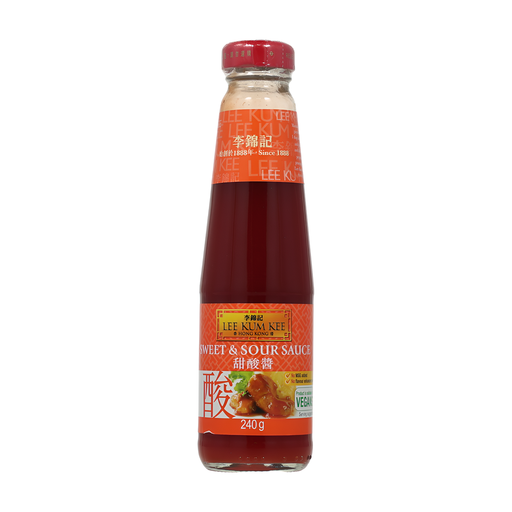
Why this fits the profile: A ready-to-use sauce for anyone who wants to start making Chinese dishes, dips or a quick glaze without lots of ingredients.
The product information clearly states that the sauce is suitable for cooking, dipping and glazing. The 240 g pack reduces the risk of leftover unused sauce.
Ready-to-use, suitable for cooking and dipping, with tomato and pineapple juice concentrate according to the ingredients list.
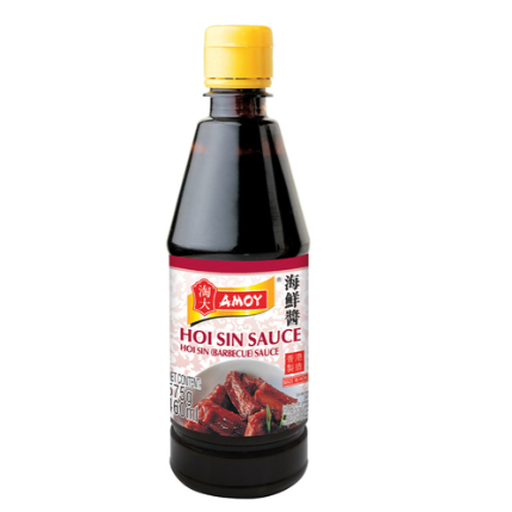
Why this fits the profile: Ideal for home cooks who want one thick, sweet-savoury Chinese sauce to use with Peking duck, char siu, dumplings and stir-fries.
The product description mentions specific uses and the thick consistency. This makes it clearer when to use the sauce, rather than treating it as a general stir-fry sauce.
Thick texture, usable as a dipping sauce and flavour enhancer, with fermented salted soya beans as an ingredient.
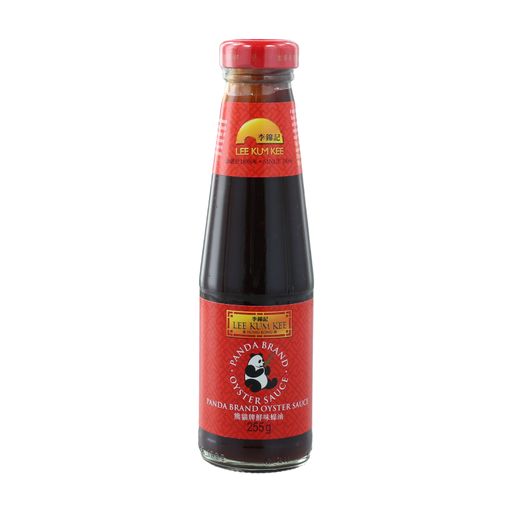
Why this fits the profile: Handy for regular stir-fry meals, marinades and noodles where a small amount of savoury flavour is enough.
The smaller pack helps with measured use. The mention of 3% oyster extract makes the composition verifiable; the product does contain molluscs and wheat.
Suitable for stir-frying, marinating and dipping; the product information states 3% oyster extract.
We’ve put together a full, up-to-date list of products that fully meet these strict selection criteria and comply with current European safety regulations.
For Thai dishes, Sunlee Thai Panang Curry Paste 400 g is a practical base for curries, soups, stir-fries and marinades. The ingredients list includes dried chilli, lemongrass, galangal and kaffir lime. Watch out for soya and possible traces of peanut and sesame.
If you’re after Korean flavours, look at Bibigo Bulgogi Sauce Mild & Sweet 500 g for beef, chicken, vegetables, grilling and stir-frying. For more fermented heat, Ajumma Republic Gochujang Hot Pepper Paste 500g is useful in stews, soups, marinades and dipping sauces. Both products contain soya or wheat according to the product information; check the label if you have allergies.
For a Vietnamese option, CHINSU Chili Sauce 480g works as a dipping sauce for spring rolls, grilled meat and snacks. The product information describes the sauce as sweet-spicy and lists none of the 14 major EU allergens. Again, check the current packaging.
Oyster sauce, stir-fry sauce, black pepper sauce and vegetarian mushroom sauce often work well with stir-fried dishes. Add the sauce during or at the end of cooking so you can control the amount more easily. Don’t combine several salty sauces straight away.
Ordinary chilli sauce can be mainly hot and savoury, whereas sweet chilli sauce typically contains more sugar and has a syrupy texture. Sweet chilli sauce works well as a dipping sauce or glaze. A chilli-garlic sauce is usually more suitable for noodles, stir-fries and marinades with a stronger flavour profile.
Always follow the label. Many products need to be kept in the fridge after opening. Seal the bottle tightly, use clean utensils and check the smell, colour and texture before using the sauce again. The shelf life varies by product and is stated on the packaging.
