
Vandaag of morgen in huis

Kwaliteit gegarandeerd

Welkomstaanbiedingen ontgrendelen: GRATIS bezorging | Tot 80% korting | Gratis 30 dagen JoyPlus-proefperiode
Download de app
A bottle of chilli sauce, a jar of curry paste or a large pack of oyster sauce can seem like an easy buy. Yet Asian sauces and seasonings vary greatly in flavour, ingredients, usage and shelf life. If you only go by a flashy label or a low price, you could end up with a sauce that’s too sweet, doesn’t suit the dish, or barely gets used after opening.
So watch out for these three common pitfalls:
Not every sauce works the same way. Chilli sauce and sweet chilli sauce are often used as a dip or table sauce. The Go-Tan Original Chili Sauce (500 ml) is described in the product description as a lightly sweet, spicy sauce without garlic, suitable for both serving and cooking. The ingredients list includes 3.2% red chilli and 41 g of sugar per 100 g.
A Thai curry paste is more concentrated. Sunlee Thai Panang Curry Paste (400 g) contains, according to the product information, dried chilli, lemongrass, galangal, kaffir lime and coriander seed. The paste is intended for curries, stir-fries, soups and marinades. Nittaya Red Curry Paste (50 g) lists shrimp paste on its label, among other ingredients. That makes it important to check the allergens before you cook with it.
For noodle dishes, a dedicated sauce is more convenient. Sunlee Thai Fried Noodle Sauce (300 ml) is described in the product description as being for Pad Thai and other fried noodles. This means you don’t have to measure out several seasonings yourself, but its use is more limited than a separate combination of soy sauce, tamarind paste and sugar.
The term “Asian” doesn’t tell you much about the composition. Oyster sauce often contains oyster extract, soya and wheat. Maekrua Oyster Sauce (600 ml) lists 30% oyster extract according to the product information, and contains soya and wheat. The 4.5-litre version is aimed at bulk use and also lists oyster, soya, wheat and gluten-containing grains.
Satay sauce usually contains peanuts. Wijko Concentrated Satay Sauce (540 g) contains 48% peanuts according to the label, plus soya, wheat and milk. Remia Satay Sauce (325 g) is described in the product information as plant-based and gluten-free, but does contain peanuts, soya and lupin. If you have allergies, always check the packaging and the most recent product information.
Fish sauce is not vegetarian either. Maeboonlam Fermented Fish Sauce consists of 93% fermented fish sauce according to the ingredients list, and contains fish. A Thai dressing can also contain fish sauce. Sunlee Thai Spicy Salad Dressing (300 ml) lists fish and soya as allergens.
For a household, 300 to 500 ml is often a manageable size. If you cook regularly or run a professional kitchen, it’s better to look at larger packs. Healthy Boy Thai Sweet Soy Sauce (970 g) and Healthy Boy Thick Oyster Sauce (815 g) are practical sizes for frequent use. The Maekrua Mae Krua Oyster Sauce (4.5 litres) is described in the product description as being for restaurants, catering and large households.
Store unopened products according to the label in a cool, dry place away from direct sunlight. Seal opened bottles and jars tightly. Some products need to be refrigerated after opening. Hela Curry Sauce (300 ml), for example, states that it must be kept refrigerated after opening at a maximum of 7 °C. Always check the shelf-life information on the packaging.
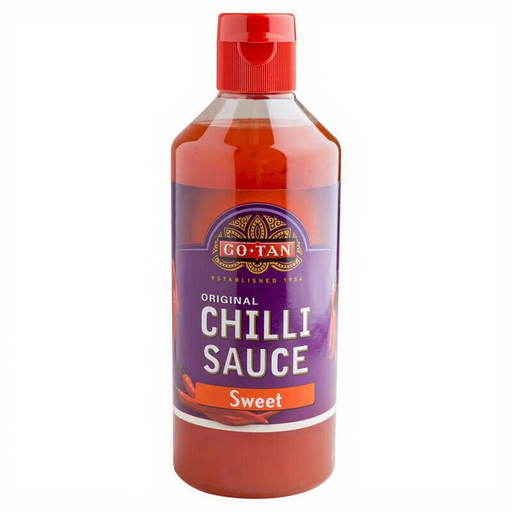
Why this fits the profile: A versatile bottle for anyone wanting to start with just one product. According to the product description, the sauce can be used as a table sauce and a cooking sauce.
The product information clearly states that the sauce is without garlic. That prevents an unexpected flavour in simple dishes.
500 ml of content; according to the label, free from the 14 major EU allergens; a smooth sauce without coarse chilli seeds.
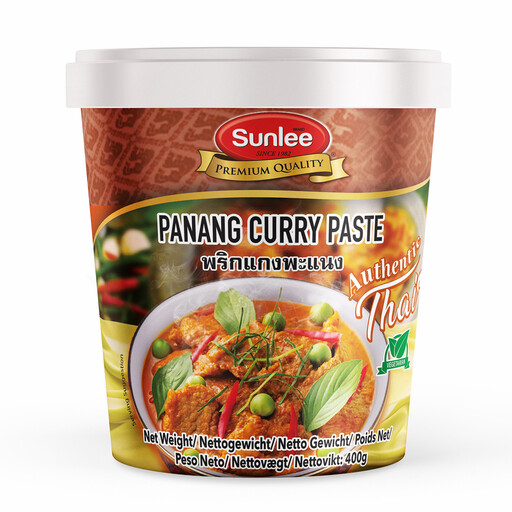
Why this fits the profile: Ideal for home cooks who want to prepare several Thai dishes using one aromatic base.
The ingredients list clearly states which herbs and spices are present. This lets you choose based on composition rather than just packaging claims.
400 g pack; according to the product information, vegan; suitable for curry, soup, marinade and stir-fry dishes.
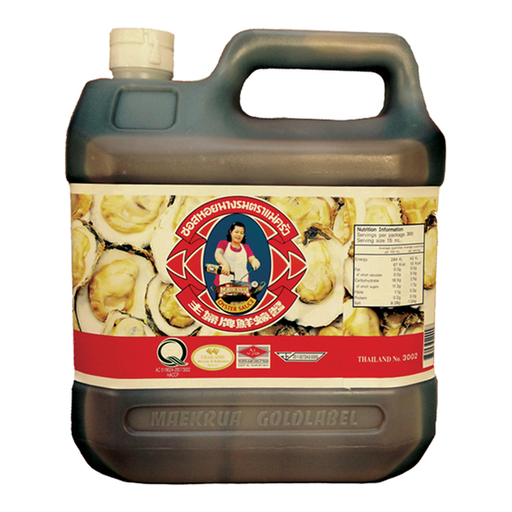
Why this fits the profile: A bulk pack for restaurants, catering or households that stir-fry and marinate frequently.
The size is clearly aimed at intensive use. This makes it easier to match the choice to your consumption rather than buying a series of small bottles.
4.5 litres of content; suitable for stir-fries, marinades and dips; according to the label, the sauce contains oyster, soya and wheat.
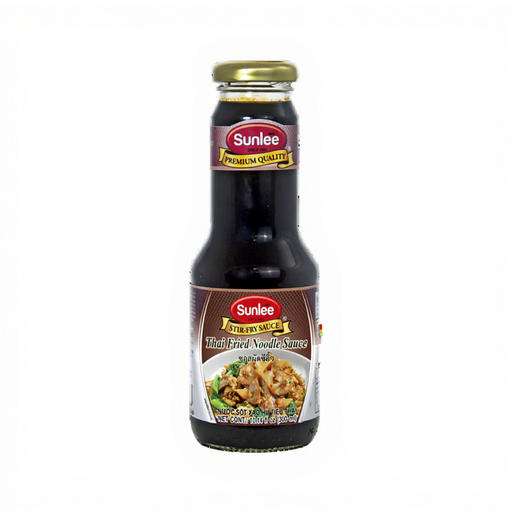
Why this fits the profile: Handy for anyone who regularly makes Pad Thai or other fried noodles and wants a fixed sauce ratio.
The application is specifically described for fried noodles. That reduces the chance of buying a general sauce that doesn’t suit the recipe.
300 ml of content; can be added directly to noodles; according to the label, the sauce contains soya and wheat.
We’ve put together a full, up-to-date list of products that fully meet these strict selection criteria and current European safety regulations.
A ready-made Pad Thai sauce, such as Sunlee Thai Fried Noodle Sauce, is practical if you want to cook quickly. If you prefer to measure the ingredients yourself, you can work with tamarind paste, soy sauce, sugar and optionally fish sauce. Tamarind paste provides a sour, fruity note. Thai Dancer Tamarind Paste (435 ml) contains tamarind pulp and water according to the product information.
Oyster sauce is usually thicker and adds a sweet umami flavour to stir-fries. Fish sauce is thin and salty, with a pronounced fermented fish taste. Soy sauce is used for saltiness and savouriness. Healthy Boy Black Soy Sauce D (960 g) contains mainly molasses, water, salt and a smaller amount of soy sauce according to the label; this dark sauce is therefore not the same as light soy sauce.
This varies by product. Follow the storage instructions on the label and note the opening date if you like. Store opened products tightly sealed and refrigerated when indicated. Also check the smell, colour, texture and shelf-life information. When in doubt, it’s safer to replace than to use a leftover sauce.
