
Vandaag of morgen in huis

Kwaliteit gegarandeerd

Welkomstaanbiedingen ontgrendelen: GRATIS bezorging | Tot 80% korting | Gratis 30 dagen JoyPlus-proefperiode
Download de app
Buying a bottle of Asian sauce might seem straightforward – until you’re standing in front of a shelf full of kecap manis, soy sauce, oyster sauce, chilli sauce and stir-fry sauce. Many products look similar, but they differ greatly in flavour, ingredients, salt content, packaging and how they’re used.
Most mistakes come down to three common pitfalls:
With the right checks beforehand, you can choose more wisely for sauces used in marinating and dipping, stir-fries, barbecues or quick meals.
Not every sauce works the same way. Soy sauce mainly adds saltiness and umami to stir-fries, marinades and dips. A light soy sauce, such as Lee Kum Kee Premium Light Soy Sauce, is described as suitable for cooking, marinating and dipping. The bottle contains 500 ml and lists soy and wheat as allergens.
Oyster sauce adds a savoury flavour to vegetables, noodles and stir-fried dishes. Maekrua Oyster Sauce contains 30% oyster extract according to the ingredients list, and includes soy and wheat. Always check whether the sauce fits your diet.
For a sweeter taste, hoisin sauce, sweet and sour sauce, sweet chilli sauce and kecap manis are logical choices. Hoisin sauce, for example, works well in stir-fries, barbecues and as a dip. Sweet and sour sauce is ready to use for cooking, dipping and glazing.
Asian sauces are often used in small amounts, but the nutritional values can vary significantly between products. Lee Kum Kee Sweet & Sour Sauce lists 31 g of sugar and 0.6 g of salt per 100 g. Lee Kum Kee Hoisin Sauce lists 45 g of sugar and 4.4 g of salt per 100 g.
With soy sauce, the salt content is often higher. Lee Kum Kee Premium Light Soy Sauce lists 18 g of salt per 100 ml. That makes measuring important: add a small amount first, then taste.
Also pay attention to the packaging:
Read the label before you order. Many sauces contain soy and wheat. Satay sauce often also contains peanuts. Wijko Concentrated Satay Sauce is made up of 48% peanuts according to the product information, and also contains milk, soy, wheat and gluten-containing cereals.
If you avoid fish or shellfish, you need to be extra careful with fish sauce and oyster sauce. Maeboonlam Fermented Fish Sauce contains 93% fermented fish sauce according to the ingredients list. Maekrua Mae Krua Oyster Sauce lists oyster, soy and wheat as allergens.
A product without an allergen warning is no reason to stop checking the packaging. Always look at the current ingredients list and storage instructions with every purchase.
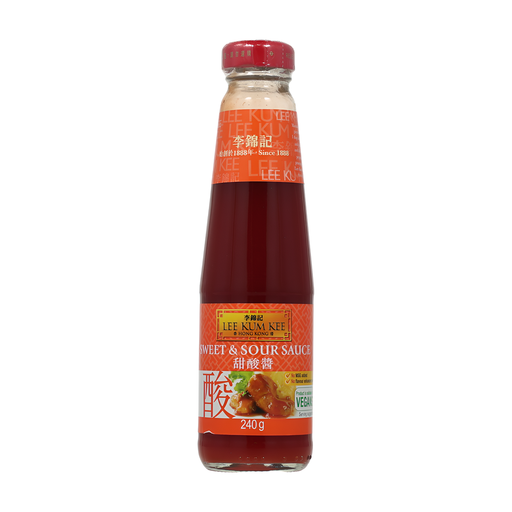
Why this fits the profile: The ready-to-use 240 g sauce is a manageable size for anyone wanting to try Asian sauces without buying a large bottle straight away. According to the product information, it is suitable for cooking, dipping and glazing.
The use is clearly described and the smaller packaging reduces waste with occasional use.
240 g, ready to use and suitable for cooking, dipping and glazing. Contains soy and wheat.
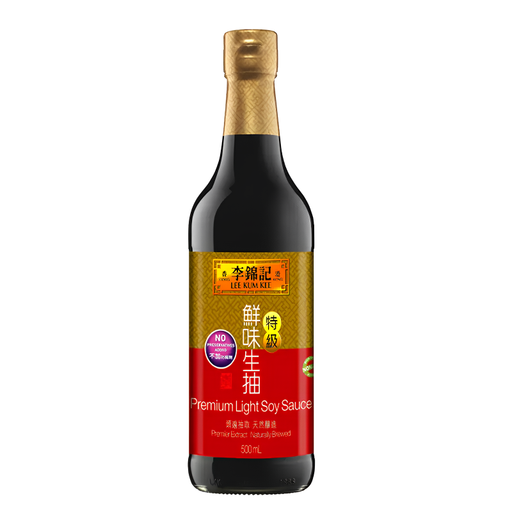
Why this fits the profile: This soy sauce has a clear, versatile use for cooking, marinating and dipping. According to the product description, the sauce is fermented from defatted soybeans and wheat.
The ingredients and nutritional values are specified, so you don’t have to rely on the brand name alone.
500 ml, suitable for multiple cooking methods and 18 g of salt per 100 ml according to the product information.
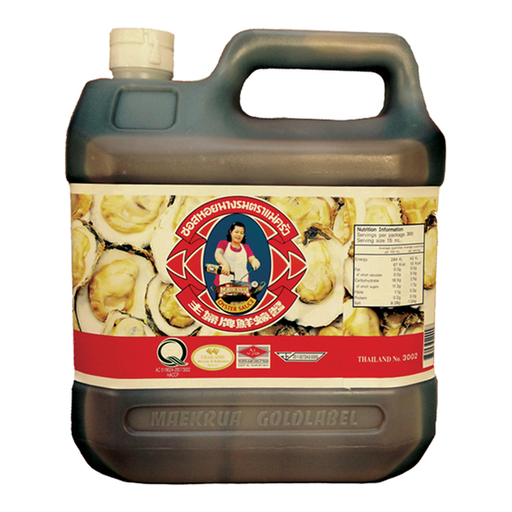
Why this fits the profile: The catering pack is aimed at restaurants, heavy users and kitchens that regularly prepare stir-fries, marinades and dips.
The large packaging suits heavy use and stops you from having to reorder small bottles frequently.
4.5 litres, suitable for cooking, marinating and dipping. Contains oyster, soy, wheat and gluten.
We’ve put together a full, up-to-date list of products that fully meet these strict selection criteria and comply with current European safety regulations.
Store opened sauces according to the label. Some products recommend refrigeration after opening. Also use clean utensils to limit contamination, and check the best-before date on the packaging.
Soy sauce is usually thin and salty, while kecap manis is often darker and sweeter. Kecap manis is widely used in marinades, nasi goreng, noodles and as a seasoning for meat or vegetables. Check the ingredients and sugar content per brand.
Sweet chilli sauce, sweet and sour sauce, hoisin sauce and satay sauce are popular options. A concentrated satay sauce must first be mixed with boiling water. A ready-to-use chilli sauce can be served straight away with snacks, grilled chicken or raw vegetables.
This varies by product. Store the sauce according to the instructions on the label; some bottles need to be refrigerated after opening. Seal the packaging tightly and check the smell, colour and texture before using the sauce.
