
Vandaag of morgen in huis

Kwaliteit gegarandeerd

Welkomstaanbiedingen ontgrendelen: GRATIS bezorging | Tot 80% korting | Gratis 30 dagen JoyPlus-proefperiode
Download de app
A bottle of Asian sauce may seem like a quick purchase, but there are big differences in flavour, ingredients, allergens and pack size. Sweet chilli sauce works differently from sambal, while soy sauce and fish sauce mainly add salt and umami. If you choose based only on appealing packaging or words such as “authentic”, you could end up with a bottle that’s too sweet, too salty or inconveniently large.
This guide helps home cooks, fans of Thai, Chinese, Vietnamese, Indonesian and Korean food, and professional kitchens make a more informed choice.
Not every chilli sauce is meant to add heat. Sweet chilli sauce often contains a relatively high amount of sugar, making it a good dip for snacks, spring rolls and chicken. Sambal, garlic chilli sauce and hot chicken sauce can have a much more pronounced kick.
So, check:
A sauce with 42 grams of sugar per 100 grams, such as Inproba Sweet Chilli Sauce, has a different profile from a concentrated chilli paste.
If you cook vegetarian or vegan food, check the ingredients. A product called oyster sauce without oysters may be a vegetarian alternative, but the exact ingredients vary by brand. LEE KUM KEE Vegetarian Oyster Flavour Sauce lists, among other ingredients, soybean extract and mushroom extract, and according to the product information it contains no oysters.
Check allergens too: soy is often found in soy sauce, oyster sauce alternatives and eel sauce. Some sauces also contain wheat or gluten.
A 725 ml or 1-litre bottle is handy for a restaurant, a large family or someone who regularly cooks stir-fries. For occasional use, a smaller bottle may be more practical. Many products need to be refrigerated or stored in a tightly sealed container after opening. So, compare more than just the price per bottle. Check:
Use this guide as a starting point:
Asian sauces are flavourings, so salt and sugar levels per 100 grams can vary considerably. Maggi Soy Sauce lists around 12.1 grams of salt per 100 grams, while Kikkoman Soy Sauce contains 16.9 grams of salt per 100 grams according to the product information provided.
That doesn’t mean a product is unsuitable. It does mean you should use it sparingly and add less extra salt to your recipe. With sweet chilli sauce, the sugar content is particularly relevant. Check the label and compare products within the same category.
EU allergen labelling helps you compare products, but always check the current packaging. Common things to look out for include:
Healthy Boy Chilli Sauce is described in the product information as vegetarian and vegan, but always check the packaging and current ingredients list before buying.
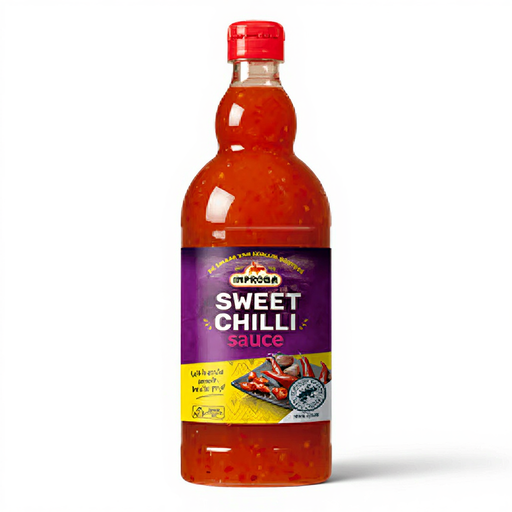
Why it suits this profile: The generous bottle works as a dip for snacks and crudités, as well as with chicken, noodles and simple stir-fries.
The product information clearly recommends it as a dip and marinade. Its sugar content of 42 grams per 100 grams also makes it clear that this isn’t a pure hot chilli paste.
850 ml; contains 7.4% chilli peppers and, according to the product information, none of the 14 major EU allergens.
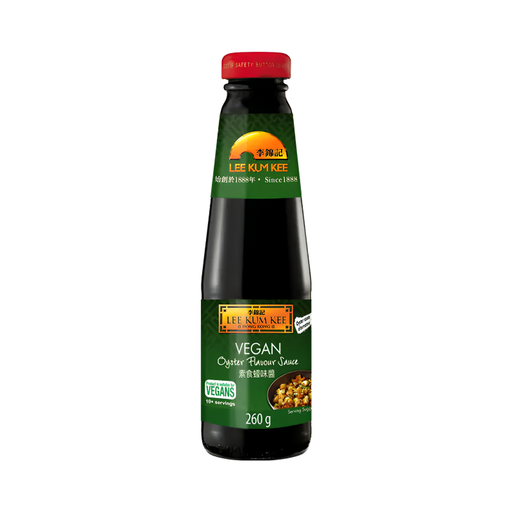
Why it suits this profile: A practical choice for plant-based stir-fries, tofu, noodles and savoury dips.
The name makes clear that this is a vegetarian oyster flavour sauce, not traditional oyster sauce. Soy is listed as an allergen.
260 grams; the product description states that it is suitable for vegetarian use; ideal for stir-frying, marinating and dipping.
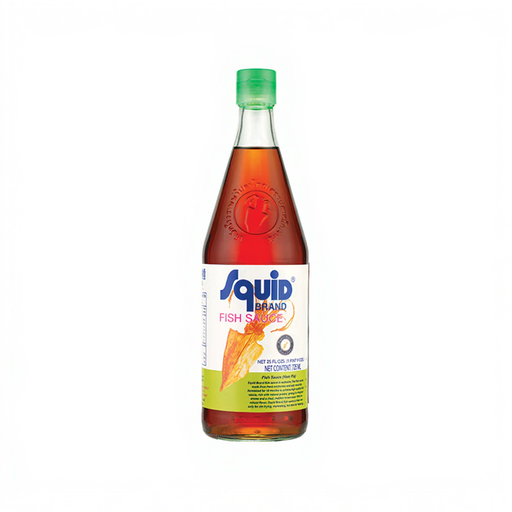
Why it suits this profile: The large bottle is a good fit for professional kitchens and households that regularly cook Thai, Vietnamese and other South-East Asian dishes.
The main ingredient and allergen status are clearly stated: 77% anchovies and contains fish. That way, the sauce won’t accidentally be the wrong choice for vegetarians.
725 ml; three main ingredients according to the product information; suitable for stir-fries, marinades, soups and dips.
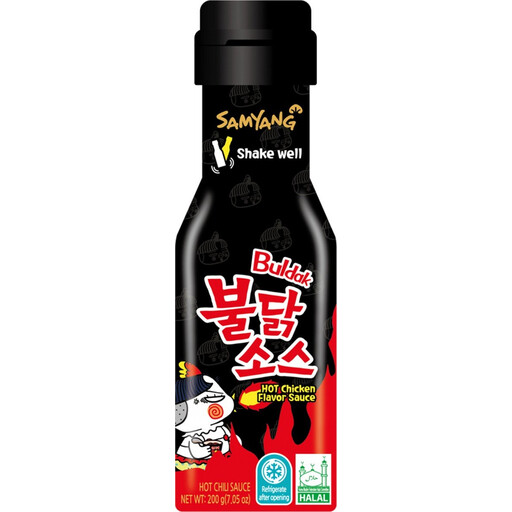
Why it suits this profile: The squeezy bottle is handy for adding small amounts to noodles, rice, marinades, dips and snacks.
The product description explicitly describes a spicy, slightly sweet flavour. Check for soy and wheat if you have allergies.
165 ml; suitable as a dip, marinade or cooking sauce; ingredients include red pepper paste, garlic, onion, vinegar and spices.
We’ve put together a complete, up-to-date list of products that meet these strict selection criteria and current European safety requirements.
Start with soy sauce for salt and umami, and add oyster sauce, vegetarian oyster flavour sauce or chilli sauce if you like. For a sweeter stir-fry sauce, try eel sauce or sweet chilli sauce. Add the sauce a little at a time, as many varieties are already quite salty.
Store unopened bottles in a cool, dry place, as directed on the label. After opening, many sauces should be kept tightly sealed, and brands recommend refrigerating them. Always follow the storage instructions on the packaging, especially for sauces containing fish, prawns or fermented ingredients.
Choose a product clearly labelled as suitable for vegetarians or vegans. Vegetarian oyster flavour sauce, some chilli sauces and certain Chinese sauces go well with tofu and vegetables. Also check for soy, wheat and any animal-derived ingredients. Prawn sambal and fish sauce aren’t suitable for a plant-based diet.
