
Vandaag of morgen in huis

Kwaliteit gegarandeerd

Welkomstaanbiedingen ontgrendelen: GRATIS bezorging | Tot 80% korting | Gratis 30 dagen JoyPlus-proefperiode
Download de app
Buying Asian sauces online seems straightforward – until you’re faced with the sheer choice. Chinese sauces, Thai sauces, Korean sauces and Japanese sauces all differ significantly in flavour, ingredients and how they’re used. A sauce that works perfectly as a dip can turn out too salty or too sweet in a stir-fry.
So don’t just rely on a flashy label or a promise of “authentic” taste. Look at the ingredients, the volume, the allergens and the dish you actually want to make with it. That way, you’ll avoid a wasted purchase and get far more out of every single bottle or jar.
Words like teriyaki, sukiyaki or black pepper give you a general idea, but they don’t always reveal how concentrated the sauce is. A thick sauce such as hoisin sauce or black bean sauce can work well as a marinade or dip, whereas a thinner soy sauce is mainly used for seasoning.
So always check the usage instructions. If it says the sauce is intended for stir-fries, marinating, noodles or as a dipping sauce, you’ll know exactly how to put that bottle to practical use.
A chilli sauce can be mainly sour, like Tabasco, or oily and crunchy, like chilli crisp. Sambal and other chilli pastes can also contain a lot of salt. “Extra hot” on the packaging isn’t a universal measurement.
When trying a new product, start with a small amount and taste as you cook. With spicy products, also watch out for extra ingredients such as peanuts, sesame, fermented soya or garlic.
A 600 ml or 1 litre bottle has a lower price per millilitre, but it’s only practical if you use the sauce regularly. Once opened, many products need to be refrigerated according to the label. A large bottle that sits open for months also takes up space and can lose its flavour.
So compare the price per 100 ml, the shelf life and your own consumption. For occasional use, a small chilli sauce or dressing can make much more sense.
First, decide on the flavour accent you want:
A combination often works better than one dominant sauce. For instance, use soy sauce for saltiness and umami, then add a little chilli sauce for heat.
Always check the actual packaging. Many Chinese sauces, Korean sauces and Japanese sauces contain soya and wheat. Peanut sauce typically contains peanuts; chilli crisp may contain peanut, sesame and soya. Oyster sauce contains an ingredient derived from shellfish and is not suitable for a vegan diet.
Look out for terms such as:
The allergen information below is based on the product descriptions provided. Always check the packaging before purchase and use, as recipes can change.
Sauces are flavourings and can contain relatively high levels of salt or sugar. The nutritional information per 100 ml or 100 grams makes products easier to compare. Lee Kum Kee Premium Light Soy Sauce, for example, lists 18 grams of salt per 100 ml; Thanh Ha Fish Sauce states 23.3 grams of salt per 100 ml. That doesn’t mean you’ll use a 100 ml portion, but it does show that small amounts can be enough.
With chilli oil and crispy sauces, the fat content is often higher. Lao Gan Ma Spicy Crispy Oil Chilli is listed as containing 210 grams and, according to the product information, contains chilli, peanuts, soya and sesame among other ingredients. It works well with noodles and rice, but requires extra attention if you have allergies.
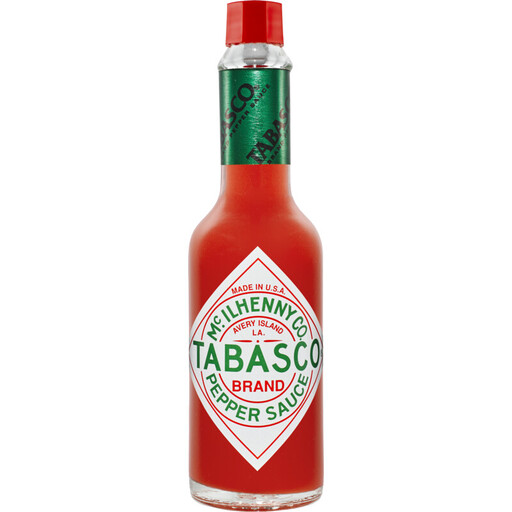
Why this fits the profile: The small bottle is handy if you want to try chilli sauce for the first time, or only use extra heat occasionally on pizza, pasta, meat or snacks.
You don’t buy a large stock before you know whether the sour, spicy flavour suits your cooking style.
60 ml; according to the product description, three ingredients: vinegar, red pepper and salt.
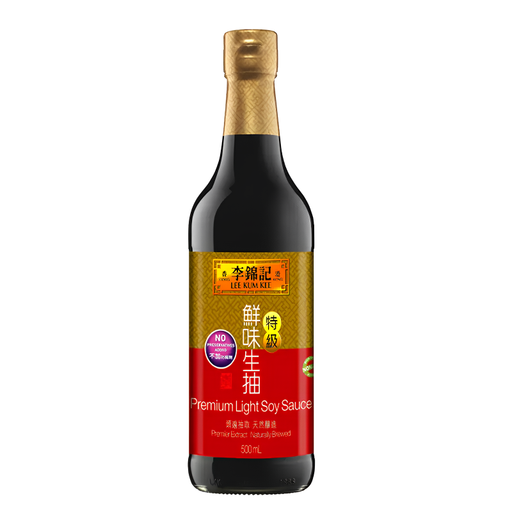
Why this fits the profile: A versatile staple for home cooks who want one soy sauce for cooking, marinating and dipping.
The application is broadly described and the bottle contains 500 ml, without you needing multiple specialist sauces.
According to the product information, fermented with soya beans and wheat; contains soya and gluten.
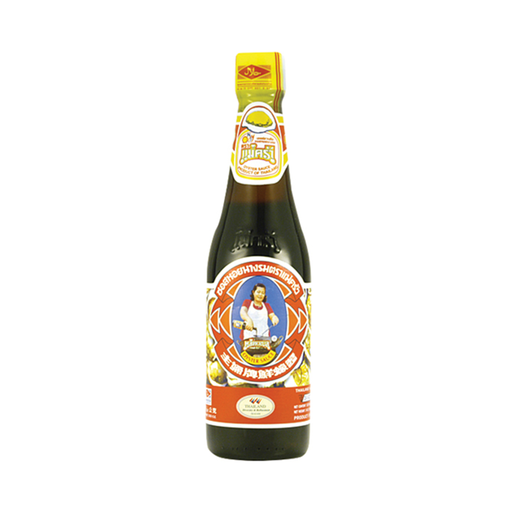
Why this fits the profile: The 600 ml volume suits households that stir-fry often, season vegetables or make marinades.
The bottle is aimed at repeated use, so a large size can make sense if you cook regularly.
Contains 30% oyster extract according to the product description; suitable for cooking, marinating and as a seasoning.
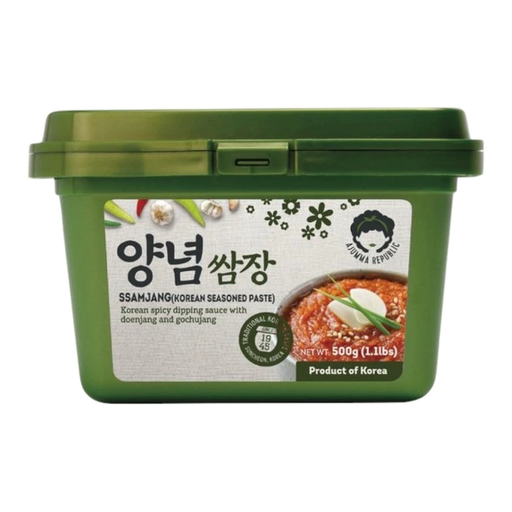
Why this fits the profile: This thick Korean paste is designed for fans of bold, savoury flavours with barbecue, rice, vegetables and marinades.
The ingredients list makes it clear that this is a fermented soya paste with chilli, not a thin chilli sauce.
500 grams; contains soya and wheat according to the label and must be refrigerated after opening.
We’ve put together a full, up-to-date list of products that fully meet these strict selection criteria and comply with current European safety regulations.
Store an unopened bottle according to the instructions on the label – usually cool, dry and out of direct sunlight. After opening, the advice varies by product. Some sauces need to go in the fridge, such as certain chilli pastes and dressings. Always use a clean spoon, close the lid tightly and check the smell, colour and texture before using the sauce.
With Condy Lemon Juice Dressing, shaking before use is necessary. According to the product information, this dressing contains sulphites and must be refrigerated after opening. That makes it suitable for salads, marinades and fish, but less suitable as a general stir-fry sauce.
A practical basic set consists of soy sauce, oyster sauce and a chilli sauce. Add hoisin sauce if you want a thicker, sweet-savoury flavour. For specific dishes, you can use black bean sauce, fish sauce or teriyaki sauce. Always start with small amounts, as soy sauce and fish sauce in particular can contain a lot of salt.
This varies by product and packaging. Check the shelf-life information and storage advice. Refrigerate sauces that state this on the label and do not use them if there is an unusual smell, mould or a clearly changed texture.
Compare volume, price per 100 ml, ingredients, allergens, origin, heat level and usage advice. Also check whether the product page gives enough information about storage and nutritional values. That way, you choose not just on brand or packaging, but on verifiable features that suit your kitchen.
