
Vandaag of morgen in huis

Kwaliteit gegarandeerd

Welkomstaanbiedingen ontgrendelen: GRATIS bezorging | Tot 80% korting | Gratis 30 dagen JoyPlus-proefperiode
Download de app
A bottle of Asian sauce may seem like a simple purchase, but the difference between a handy store-cupboard staple and a disappointing buy often comes down to the details. One chilli sauce may be mostly sweet, while another tastes sour, salty or exceptionally hot. A large bottle may also seem like good value, but be less suitable if you only make a stir-fry now and then.
For home cooks, families and fans of noodles, rice, snacks and marinades, there are three common pitfalls to watch out for:
Start with how you plan to use the sauce, not the brand. That way, you’re less likely to buy something that sounds appealing but doesn’t suit your style of cooking.
It’s also worth checking the ingredients per 100 g or 100 ml. Many sweet chilli sauces contain around 40 to 45 g of sugar per 100 g. This makes them suitable as a glaze or dip, but less suitable if you’re looking for a distinctly savoury sauce. Oyster sauce, on the other hand, can be high in salt; Lee Kum Kee Panda Oyster Sauce, for example, lists 11.5 g of salt per 100 ml.
Check whether the sauce is sweet, sour, salty, hot or rich in umami. Sweet chilli sauce with garlic works well with spring rolls, chicken and prawns. A stir-fry sauce or oyster sauce is more convenient when you want to season vegetables and noodles as they cook.
If you’re unsure, a product with several uses can be a practical choice, but check that its versatility is backed up by clear serving suggestions. A sauce that works as a dip, marinade and cooking sauce gives you more flexibility than one promoted for just a single dish.
Not all hot sauces taste the same. A thin, vinegar-based sauce spreads quickly through a dish. A thick chilli sauce or chilli paste clings more to food and can be used as a marinade or topping.
Samyang Buldak sauce is described as suitable for dipping, marinating or cooking, with a hot, slightly sweet flavour. Lao Gan Ma chilli oil, by contrast, contains chilli, peanuts and crunchy pieces. So it adds not only heat, but also texture.
Always check the current packaging before you buy. Many Asian sauces and seasonings contain soya, wheat, gluten, sesame, peanuts, fish or molluscs. Remia Satay Sauce, for example, contains peanuts, soya and lupin flour. Lee Kum Kee Panda Oyster Sauce contains molluscs and wheat. Samyang Buldak Carbonara product information lists milk, soya, wheat, nuts and celery, among other ingredients.
Check the storage instructions too. Some products need to be refrigerated after opening, while others can be kept in a cool, dry place, according to the product information. Always follow the packaging for shelf life, use after opening and allergen details.
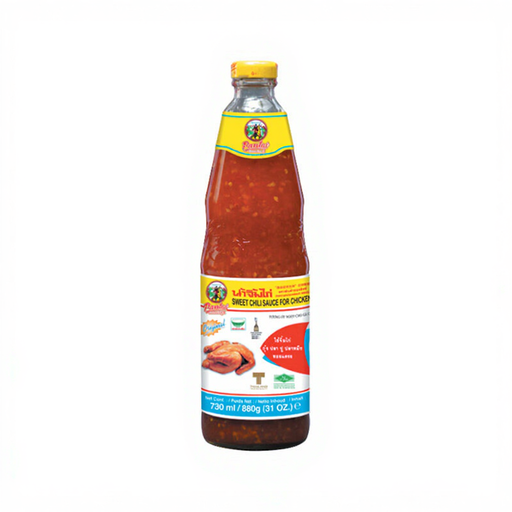
Why it suits this shopper: A generous bottle for anyone looking for an easy introduction to dipping sauces, chicken dishes and snacks.
The product information clearly recommends it for chicken. The sauce contains 18% red chilli and has a straightforward ingredients list, with none of the 14 major EU allergens.
730 ml; 45 g of carbohydrate and 41 g of sugar per 100 g, according to the product information.
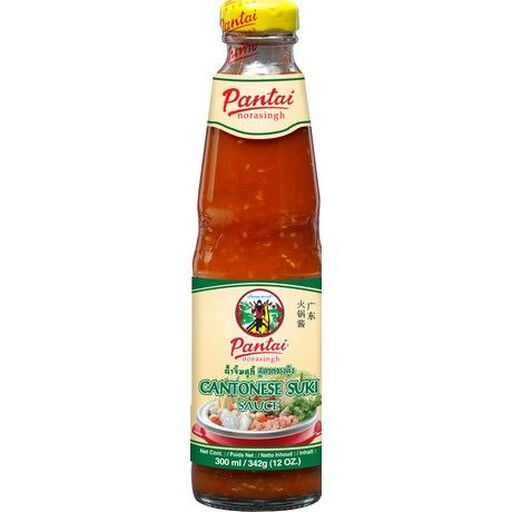
Why it suits this shopper: For anyone looking for several layers of flavour in one sauce for hotpot, dipping and noodles.
The description specifies a combination of hot, salty, sweet and umami flavours, rather than making a vague claim about heat alone.
300 ml; lists around 18% garlic and 11.5% chilli; suitable as a dip and for seasoning stir-fried noodles.
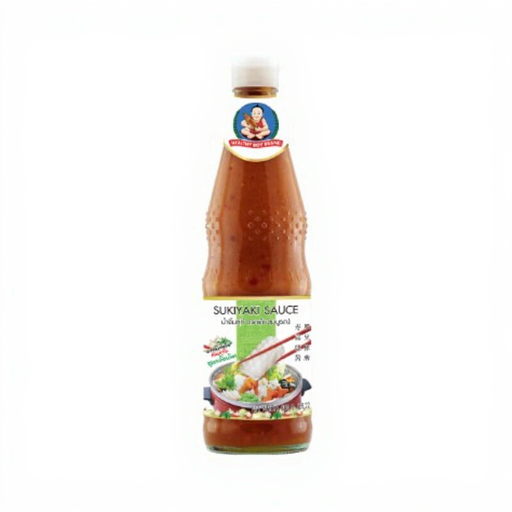
Why it suits this shopper: The large bottle is a good fit for families, regular hotpot meals and anyone who often cooks stir-fries.
Its uses are clearly described: dipping, marinating and stir-frying. That makes the large pack more practical than a sauce designed for just one purpose.
800 g; combines soya, sesame, garlic and spices; 7.5 g of salt per 100 g, according to the product information.
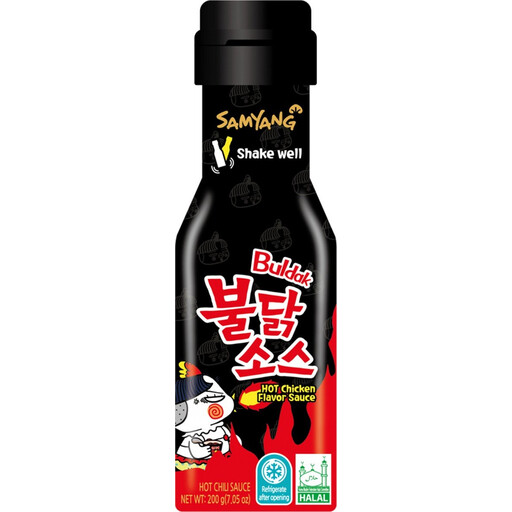
Why it suits this shopper: For fans of a distinctly hot Korean sauce to serve with noodles, rice, chicken or marinades.
The product description specifically mentions a hot flavour with a sweet undertone and suggests several ways to use it. Start with a small amount.
165 ml squeezy bottle; suitable as a dip, marinade and cooking sauce; contains soya and wheat.
We’ve put together a complete, up-to-date list of products that meet these strict selection criteria and the applicable European safety regulations.
A stir-fry sauce, oyster sauce or sukiyaki sauce is a practical choice because you can add it straight to the pan as you cook. Start with a small amount and taste before adding extra salt or soya sauce.
It varies by product. Store the bottle according to the label. Some sauces can be kept in a cool, dry place; others need to be refrigerated after opening. Look out for changes in colour, smell and texture, but always use the official shelf-life information on the packaging as your guide.
Choose sweet chilli sauce, mild sukiyaki sauce or satay sauce. For more control, mix a hot sauce with mayonnaise, coconut milk or a mild stir-fry sauce. If you have allergies, always check the full ingredients list and allergen information.
