
Vandaag of morgen in huis

Kwaliteit gegarandeerd

Welkomstaanbiedingen ontgrendelen: GRATIS bezorging | Tot 80% korting | Gratis 30 dagen JoyPlus-proefperiode
Download de app
Buying a bottle of Asian sauce seems simple enough – until you’re faced with a shelf or online range of dozens of varieties. Chinese sauces, Thai sauces and Vietnamese sauces differ not only in flavour, but also in salt content, sugar, allergens, volume and how they’re used.
The most common mistakes come down to three pitfalls:
Start with the application. Do you want to stir-fry, marinate, dip or season a dish at the table? The right sauce makes the biggest difference in dosage and cooking time.
Read the ingredients list before you order. Many Chinese sauces contain soya and wheat. Hoisin sauce may also contain sesame. Oyster sauce typically contains oyster extract or oyster flavour, so it is not automatically suitable for a vegetarian diet. Fish sauce contains fish, even if the product does not list any of the fourteen main EU allergens.
Also look out for cross-contamination and the phrase “may contain”. The information on the packaging is what counts, especially if you have an allergy or intolerance.
Asian sauces are often concentrated. The nutritional values give a useful comparison. In the product information provided, for example, Lee Kum Kee Premium Light Soy Sauce lists 18 g of salt per 100 ml, while the dark variety lists 12 g. Lee Kum Kee Panda Oyster Sauce lists 29.5 g of salt per 100 g.
That doesn’t mean a product is unsuitable. It does mean you need to adjust the amount to the dish. Add a small amount first and taste before adding more. For a marinade, you can dilute the sauce with water, oil, rice vinegar or lime juice, depending on the recipe.
Check the volume against how often you cook. A 210 to 326 g bottle is fine for occasional use; a 700 to 815 g pack is better for families, meal prep or frequent stir-frying.
Many products need to be refrigerated after opening. Others simply state that the packaging should be kept tightly closed and stored in a dry place. Always follow the instructions on the label and check the best-before date. A sauce that sits open in a warm kitchen cupboard for months can deteriorate in flavour, colour and texture.
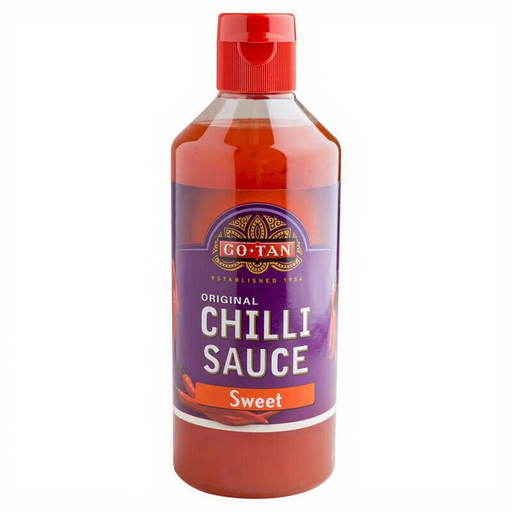
Why this fits the profile: A versatile chilli sauce for beginners who want one bottle they can use as a table sauce and as a simple cooking sauce.
The product description clearly states that the sauce can be used both cold at the table and during cooking. The ingredients and allergens are listed for you to check.
500 ml volume, fine texture and, according to the product information, free from the fourteen main EU allergens.
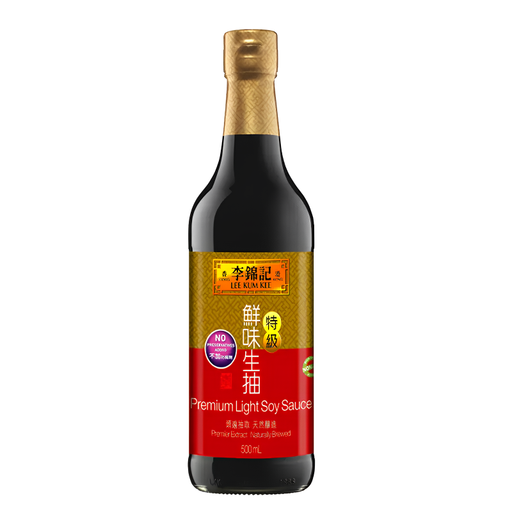
Why this fits the profile: A staple for anyone who cooks Chinese food regularly and wants one soy sauce for marinating, dipping and stir-frying.
The application is broadly described and the nutritional information lists 18 g of salt per 100 ml. This means you can consciously adjust the dosage.
500 ml, suitable for multiple cooking methods, with soya and wheat clearly listed as allergens.
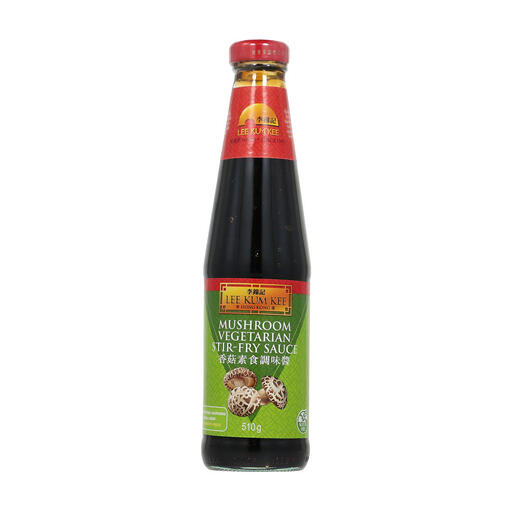
Why this fits the profile: According to the product information, this sauce is made with mushrooms and is intended for vegetables, tofu, noodles and stir-fries.
The product is described as vegetarian and vegan. Always check the current packaging at the time of purchase, as soya and wheat are listed as allergens.
510 g pack and multiple uses: stir-frying, braising, dipping and seasoning tofu or vegetables.
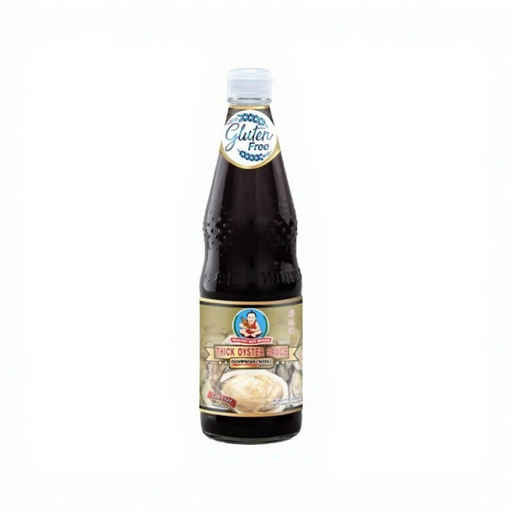
Why this fits the profile: The large bottle suits households that stir-fry or marinate often, or cook for several people.
The volume is clearly 815 g and the label states 20% oyster extract. That helps when comparing with other oyster sauces.
Large pack, thick consistency and oyster extract listed as an ingredient; contains oyster, so it is not vegetarian.
We’ve put together a full, up-to-date list of products that fully meet these strict selection criteria and comply with current European safety regulations.
That depends on the flavour profile you’re after. Light soy sauce adds saltiness and umami, oyster sauce gives a fuller flavour, and hoisin sauce often brings sweetness and spice. A stir-fry sauce can be added directly, but check the dosage as many varieties contain salt and sugar.
There is no fixed storage period for all products. Check the label, the best-before date and the instructions after opening. Store sauces that need refrigeration in the fridge and close the bottle tightly. Do not use any product where the packaging is damaged or where the smell, colour or texture has clearly changed.
Sriracha sauce is usually hotter and often contains chilli, garlic and vinegar. Sweet chilli sauce typically contains more sugar and is often used as a dipping sauce for snacks, spring rolls and fried dishes. The exact heat level varies by brand, so check the ingredients and product description.
