
Vandaag of morgen in huis

Kwaliteit gegarandeerd

Welkomstaanbiedingen ontgrendelen: GRATIS bezorging | Tot 80% korting | Gratis 30 dagen JoyPlus-proefperiode
Download de app
A bottle of Asian sauces can add plenty of flavour to a quick stir-fry, rice dish or noodle bowl. Yet comparing them isn’t always straightforward. A sweet chilli sauce, Chinese sauce, Japanese sauce or Thai sauce differs not only in taste, but also in heat, salt content, allergens and how you can use it.
What’s more, the product packaging doesn’t always tell you at a glance how versatile a sauce is. So look beyond terms like “authentic”, “extra hot” or “for every dish”.
“Hot”, “spicy” and “extra hot” aren’t standard units of measurement. A Korean Buldak sauce can feel very different from a Sichuan chilli sauce with peppercorns. Sugar, oil and other flavourings also affect the perceived heat.
If in doubt, choose a sauce where the product description clearly states the flavour profile. A sweet chilli sauce is often more accessible as a dipping sauce, while chilli oil or a mala sauce can have a stronger, spicier and tingling character.
A 600 or 850 ml bottle might look appealing for families, but it only works if you use it regularly. Once opened, the product information often says it needs to be refrigerated or stored tightly sealed. So check the shelf life, storage advice and how much you’re likely to use.
For occasional use, a 210 to 280 gram jar can be more practical. For a family that stir-fries often, a larger bottle like an oyster sauce or sweet chilli sauce may be a better fit.
“Vegetarian”, “no added preservatives” or “plant-based” doesn’t automatically mean a sauce is free from soya, wheat, sesame or peanuts. Always check the ingredients list and allergen declaration on the packaging. The product packaging may contain more or different information than an online product page.
Examples from the range:
First, decide what you want to use the sauce for:
A product that is “ready to eat” can be used directly as a flavouring according to the product description. That doesn’t always mean you should eat it in large quantities; use the sauce as a condiment or part of a dish.
Pay attention to the combination of:
Inproba Sweet Chilli Sauce contains 7.4% chilli pepper and 42 grams of sugar per 100 grams, according to the product information. That makes the sauce suitable for anyone who wants to combine sweet and spicy, for example with chicken, prawns, raw vegetables or prawn crackers.
Samyang Buldak Hot Chicken Carbonara Sauce is described in the product description as a combination of spicy chilli, chicken flavour and creamy carbonara notes. This sauce particularly appeals to fans of Korean noodles, rice and spicy stir-fry dishes.
Compare the nutritional values per 100 grams or 100 millilitres, not just the serving size. A few examples:
These figures don’t determine whether a product is suitable or unsuitable, but they help you make a choice that fits your diet and recipe.
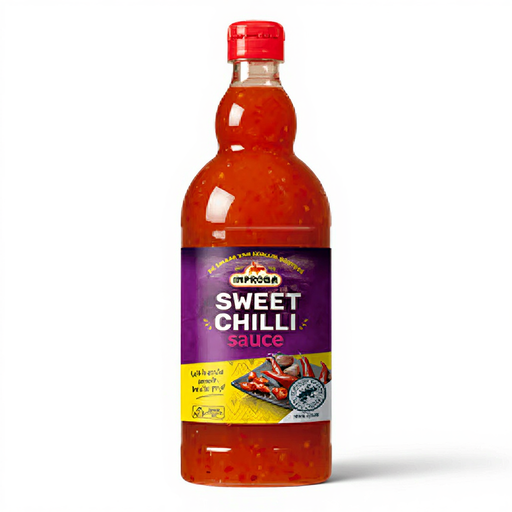
Why this fits the profile: The large bottle is handy for regular use as a dipping sauce, marinade or accompaniment to grilled dishes.
The product information states a specific amount of chilli pepper and nutritional values, making it easier to judge the sweetness and heat.
850 ml content, none of the 14 main EU allergens listed, and suitable for dips, marinades and oriental dishes.
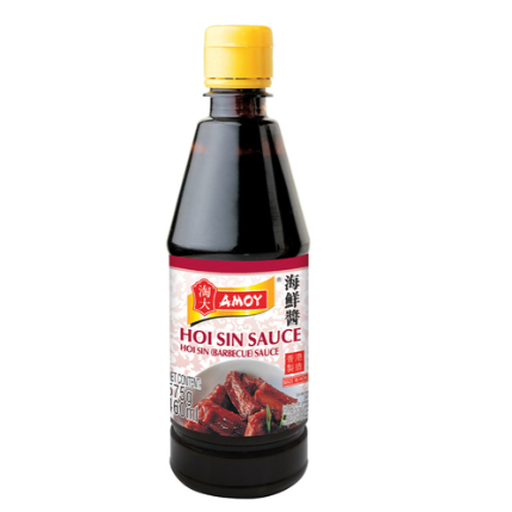
Why this fits the profile: The thick, sweet-savoury sauce suits Chinese preparations such as roasted meat, stir-fries, dumplings and spring rolls.
The use is clearly described and the allergens soya, wheat and sesame are clearly stated.
Thick texture, usable as a marinade, dipping sauce and stir-fry sauce, with a recognisable sweet-savoury flavour profile.
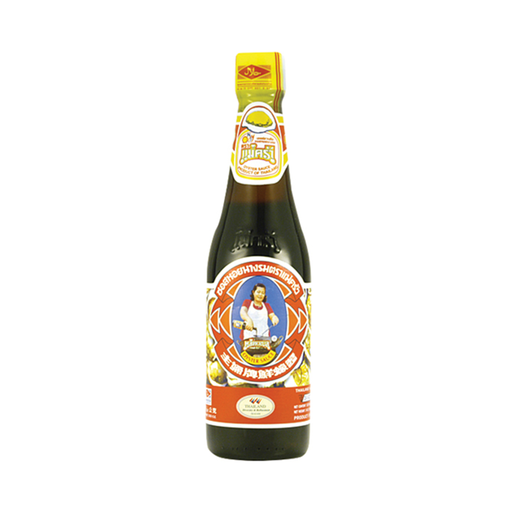
Why this fits the profile: This oyster sauce is aimed at cooks who stir-fry often and want a savoury base for vegetables, meat, tofu or noodles.
The label lists oyster extract, soya and wheat. This means you can take into account the source of the savoury flavour and allergens.
600 ml content, 30% oyster extract according to the product information, and suitable for a variety of hot dishes.
We’ve put together a full, up-to-date list of products that fully meet these strict selection criteria and current European safety regulations.
Store opened sauces according to the label. Many products need to be refrigerated after opening and used quickly. Shake or stir oil-based sauces before use so that solid ingredients and oil mix better. Start with a small amount of spicy sauces and add more later.
Also watch out for cross-contamination. Use a clean spoon and put the lid back on straight away. If you have an allergy, the packaging is the deciding factor; check the ingredients and warnings again with every purchase.
That depends on the flavour you want. Chilli oil, mushroom sauce, Korean chilli sauce and soy sauce quickly add extra flavour to rice and noodles. For a sweeter preparation, you can use hoisin sauce or teriyaki sauce. Add small amounts where possible, because some sauces contain relatively high levels of salt.
Hoisin sauce is usually thick, sweet and savoury, and is often used as a dipping sauce, marinade or stir-fry sauce. Oyster sauce is mainly savoury and rich in umami. Teriyaki sauce typically combines soy sauce, sugar and mirin for a sweet-savoury glossy finish. Always check the ingredients, because the composition and allergens vary by brand.
The shelf life varies by product. Check the date and storage advice on the packaging. Close the bottle or jar tightly, use clean utensils and store the sauce in the fridge when advised. If the smell, colour or texture seems off, or if there is mould or damaged packaging, do not use the product.
